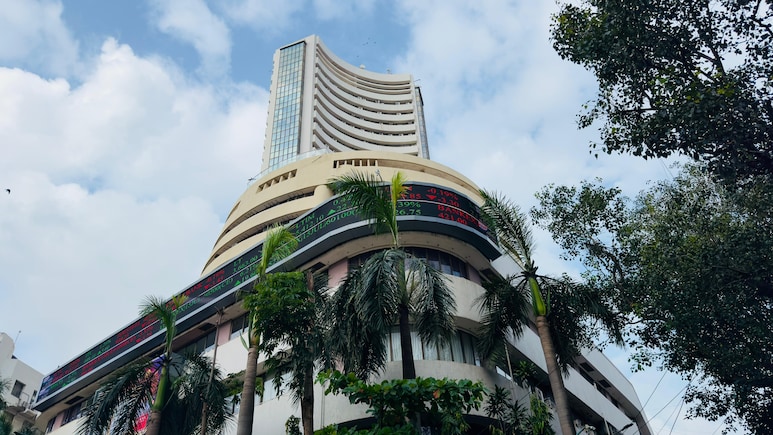
The Indian equity market is on the back foot as it enters Samvat 2083, or the new Hindu calendar year. In the outgoing year, which is Samvat 2082, the Nifty has fallen by over 10%. An array of factors, ranging from expensive oil to rising interest rates, a weak rupee, and heavy foreign selling has weighed on the benchmark index.
Axis Securities, however, hasn't called it a bottom. "A market that has fallen for two straight months on an identifiable set of shocks tends to recover when those shocks reverse, not when sentiment merely improves," the brokerage said in the report dated Oct. 26, while also listing the triggers that would help mark a sustainable turnaround.

-
 Gold Price Dips Ahead Of Diwali: Can It Go Lower On Dhanteras? What To Expect
-
 What Would Make Brokers Bullish Again On Indian Markets? Axis Lists Its Triggers
-
 India's Market Leaders To Decode The New Samvat At NDTV Profit Ignite In Mumbai On Oct 28
-
 NDTV Profit IGNITE Diwali 2026: Top Market Veterans Decode Wealth Creation
-
 The Week Ahead: Earnings Season, Fed Policy Verdict And Crude Oil In Focus
-
 NDTV Ignite, The Trillion-Dollar Trajectory: India's Road to 2030
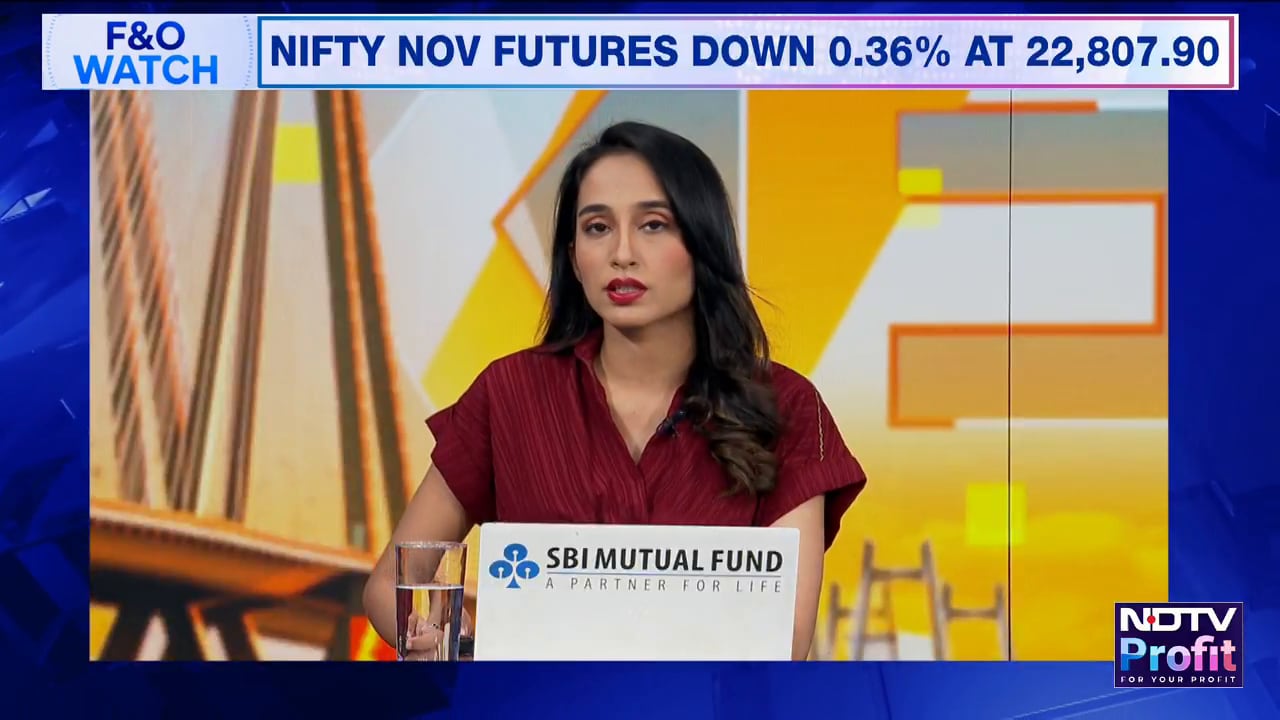
Notably, the Nifty 50 ended Tuesday almost flat at 22,749.75, down about 13% in the year so far. The pressures adversely impacting the equity markets continue to loom, with Brent crude trading at $114-$115 a barrel, while the rupee hovering above the 95-mark against the dollar.
Also Read | Layoffs Are Rising In Tech, But These Skills Are Helping People Unlock Better Pay
Retail inflation is also edging closer to the upper end of the RBI tolerance band, The September reading came in at 5.54% in September, with food prices up 7.74%.
What also pains the Dalal Street is the relentless selling by foreign portfolio investors. The FPIs have net sold Rs 46,748-crore in October so far, per NSDL data. The selloff in 2026 has already crossed Rs 3.1 lakh crore, which is around double than what was recorded in 2025.
Eight Triggers Needed For Recovery
Axis lists eight potential turning points, and oil tops the list. “A sustained decline towards US$85–90/bbl would ease input costs, support the rupee and improve market sentiment,” the brokerage said. Oil marketing companies, paint makers, airlines, tyre makers, chemical companies and consumer businesses would gain most, it said.
The second trigger is a peak in interest rates. Axis noted that the RBI's October commentary “points to limited scope for near-term easing, with a pause or further hike possible as inflationary pressures broaden”. Moderating inflation and steady crude prices would help lenders such as NBFCs and housing finance companies, as well as automakers, real estate and consumer durables, it said. The RBI's next policy review is on Dec. 2-4.
The third is a return of foreign money and a steadier rupee. “A softer crude trend, stable rupee and easing US bond yields could encourage foreign buying,” Axis said, adding that large-cap financials, IT and consumer stocks would benefit. It cautioned that a sustained recovery would need flows to actually improve, “rather than valuation appeal alone”.
A durable earnings recovery is the fourth. “A sustained earnings recovery will be essential for a durable market rebound,” the report said. The brokerage will look at demand trends, margins, order inflows and management guidance in the September and December quarters, and said “stabilisation in consensus earnings estimates would be an important positive signal”.
The remaining four are a final India-US trade agreement, continued public spending, resilient domestic inflows and easing inflation. Axis says the trade talks are near finalisation according to the government, and that a deal which “clarifies tariff commitments and improves market access” could help textiles, gems and jewellery and engineering goods. It described the Union Budget due in early 2027 as “an important domestic catalyst”.
Domestic investors have so far cushioned foreign selling. Monthly inflows through systematic investment plans hit a record Rs 32,490 crore in September, according to industry body AMFI. But Axis warned that “sustained market weakness could eventually affect retail risk appetite”.
ALSO READ: Diwali Muhurat Stock Picks 2026: Ashok Leyland, Eternal Among Axis Direct's Top Bets For Samvat 2083
Axis's Scorecard: Bullish Or Cautious?
The report also sets out specific signals that would change the brokerage's view. On Tuesday's readings, the market sits between the two, closer to the cautious end on oil and the rupee.
Axis said it would turn more positive if “Brent falls and holds below $95, then $90, with a durable ceasefire”. It also wants to see “FPIs stay net buyers for two weeks and the rupee holds below 95”. The currency is currently just above that threshold.
The Federal Reserve would need to hold on Oct. 28 and signal “no December hike”, while “Q2 margins hold up and FY27 EPS cuts stay in low single digits”, the report said.
On the other side, Axis would grow more cautious if “Brent holds above $115 or Hormuz is disrupted again”. Rate increases by both the RBI and the Fed in December would also be a warning sign, as would inflation exceeding the RBI's projected peak of 6% for the October-December quarter.
The brokerage also flagged a technical level. It would turn more cautious if “the Nifty closes decisively below 22,200 and FPI selling resumes”. The index is currently about 2.5% above that mark.
Essential Business Intelligence, Sharp Market Insights, Practical Personal Finance Advice, Daily Fuel, Gold and Silver Prices and Latest Stories — On NDTV Profit.