- International crude oil prices dropped over 5% on July 27 amid US-Iran strike pause hopes
- Brent crude fell to $91.89, and WTI crude dropped to $84.64, lowest in nearly a week
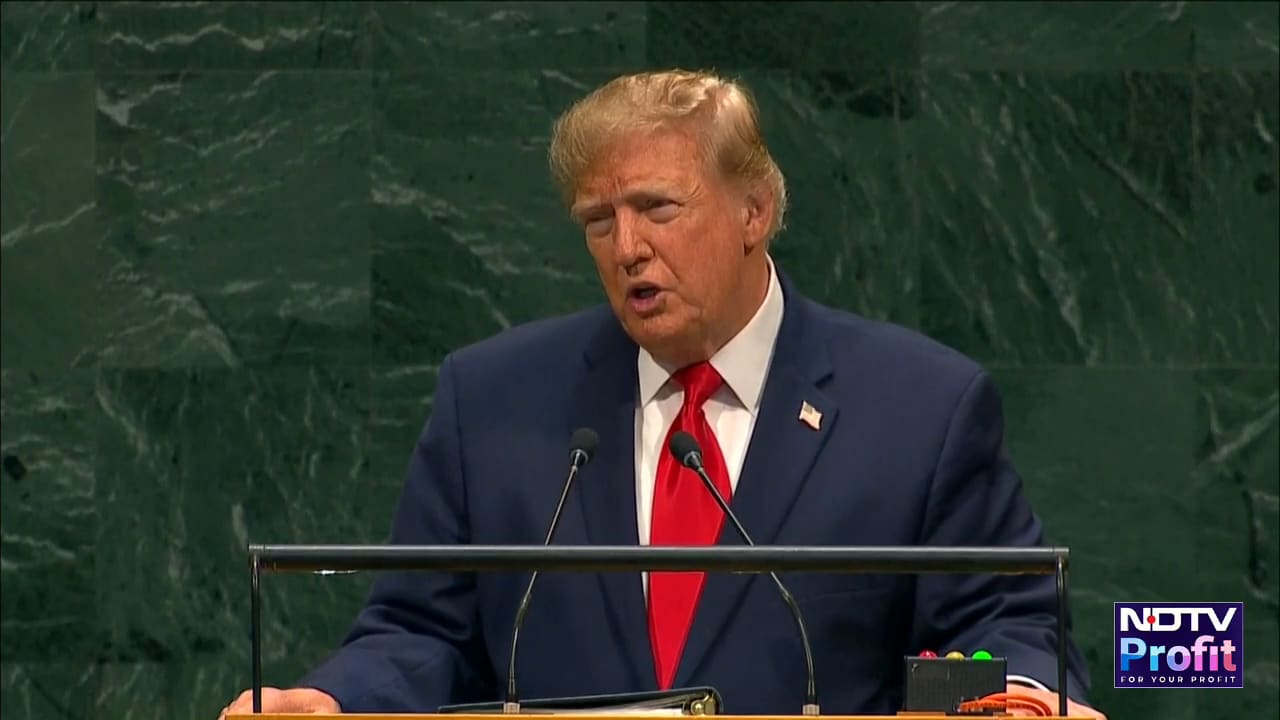
- US President Trump paused strikes to allow diplomacy, raising hopes of conflict de-escalation
Oil Prices On July 27: International crude oil prices tumbled over 5% on Monday, July 27 after US and Iran paused strikes over the weekend after two weeks of escalating attacks, raising hopes of a diplomatic solution that would de-escalate the geopolitical conflict and allow shipping to resume in the Strait of Hormuz, where traffic still remains low. Iran has indicated that it will stop carrying out attacks as long as the United States also refrains from striking, according to news agency Reuters.
International benchmark Brent crude futures fell $4.89, or 5.05%, to $91.89 after slipping under the key support level of $90 earlier in the session. Brent crude futues, due for an Oct. 26 expiry, last traded 4.195 lower at $87.84 per barrel, according to Investing.com. US West Texas Intermediate crude oil futures also hit the $84.64 per barrel mark, down $4.67, or 5.23%. Both crude oil contracts are trading at their lowest levels in nearly a week after surging for the past three weeks.
ALSO READ: Week Ahead On D-Street: US Fed Verdict, Q1 Results, Crude Oil Prices To Drive Sensex, Nifty
Also Read | Layoffs Are Rising In Tech, But These Skills Are Helping People Unlock Better Pay
Brent had hit $100 per barrel last week as the conflict, which reduced oil shipments via the Strait of Hormuz, spilled over to the Red Sea, hindering exports from the world's top exporter, Saudi Arabia, via the Bab el-Mandeb Strait to Asia. According to Reuters, fewer than 10 commodity vessels passed through the Strait of Hormuz daily during the weekend despite the pause in attacks from US and Irant, shipping data from Kpler showed. Tensions elsewhere mounted after Ukraine struck an Iranian commercial vessel in the Caspian Sea, which prompted Tehran to accuse Kyiv of a "hostile and criminal act."
Truce ahead? US, Iran agree to pause attacks
The US ambassador to the United Nations, Mike Waltz, told "Fox News Sunday" and other US media that US President Donald Trump had decided to pause US attacks to allow more time for diplomacy. "Hopes are rising that a genuine diplomatic path may be opening," IG markets analyst Tony Sycamore said in a note. "A return to the 14-point MOU (memorandum of understanding) with a little more clarity around control of the Strait of Hormuz would be a solid starting point."
In addition, ship traffic through the Bab el-Mandeb strait fell on Sunday after Yemeni Houthis attacked Saudi oil installations along the Red Sea coast, although a third Chinese supertanker exited via the Bab el-Mandeb Strait. The pause in strikes follows Washington's decision to suspend its bombing campaign against Iran after Trump's advisers reportedly warned that the military was running out of viable targets and raised concerns about depleting US weapons stockpiles.
Market impact
Elevated crude oil prices stir market concerns about inflation and the potential for higher-for-longer interest rates. The US Federal Reserve is widely expected to keep rates unchanged this week, although traders are still pricing in about an 80% chance of a hike in September, according to Reuters. Some analysts have priced in a quarter-point rate hike on July 29.
HSBC's US rates strategist Dhiraj Narula told CNBC that higher crude oil prices have contributed to renewed expectations that the US Federal Reserve may need to keep policy tighter for longer, but noted inflation expectations have remained relatively contained despite the energy rally. He attributed that to stronger messaging from Fed officials on their commitment to price stability, which has prevented the oil shock from feeding into longer-term inflation expectations.
ALSO READ: Crude Oil Near $100 Puts US Fed And Peers In Interest-Rate Spotlight
The Strait of Hormuz, is facing disruption, and Iran has reportedly asked Houthi forces to prepare to target Red Sea shipping as well. ''For India, this reversal is a concern that warrants close monitoring. In case of a sustained return of crude prices toward the $90+ mark will put upward pressure on domestic fuel costs and broaden into headline inflation, which in turn narrows the Reserve Bank of India's room to cut interest rates further,'' said analysts at Brickwork Ratings.
Essential Business Intelligence, Sharp Market Insights, Practical Personal Finance Advice, Daily Fuel, Gold and Silver Prices and Latest Stories — On NDTV Profit.