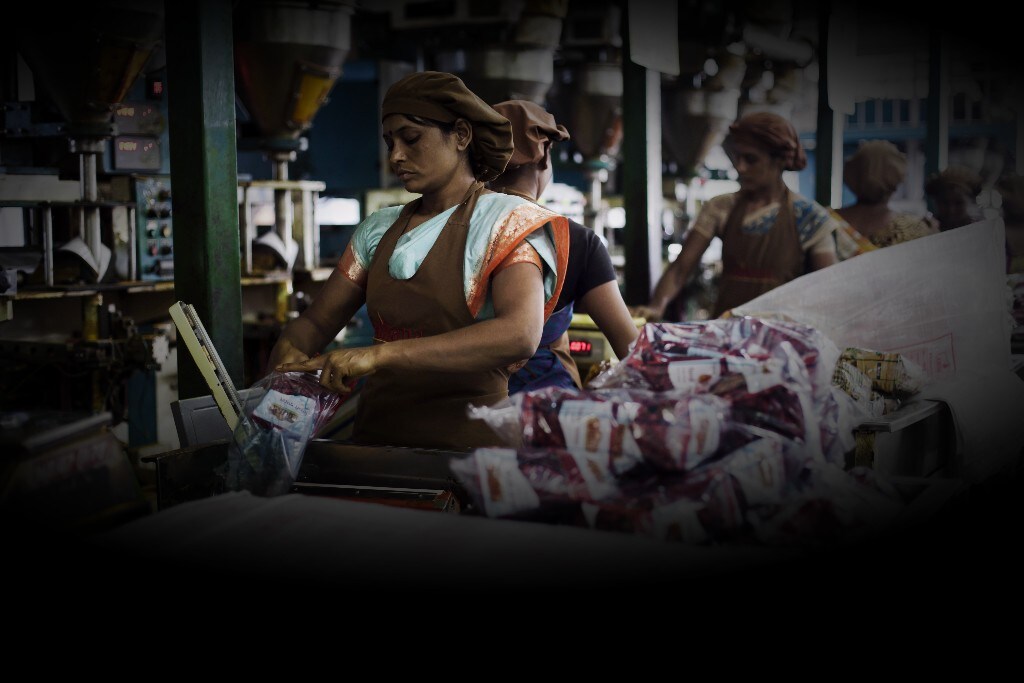
Manufacturing activity in India contracted for the first time in 11 months as the Narendra Modi government's decision to ban currency notes of Rs 500 and Rs 1,000 took a toll on businesses.
The Nikkei India Manufacturing Purchasing Managers' Index – compiled by Nikkei and research firm Markit – stood at 49.6 in December compared to 52.3 in November. A figure below 50 indicates contraction. The index was at 54.4 in October before the demonetisation announcement was made.
PMI data for December indicated that the rupeedemonetisation took a toll on manufacturingperformance. Companies saw new work and outputdip for the first time in 2016. In turn, quantities ofpurchases were scaled back and employmentlowered.Nikkei India Manufacturing PMI Report
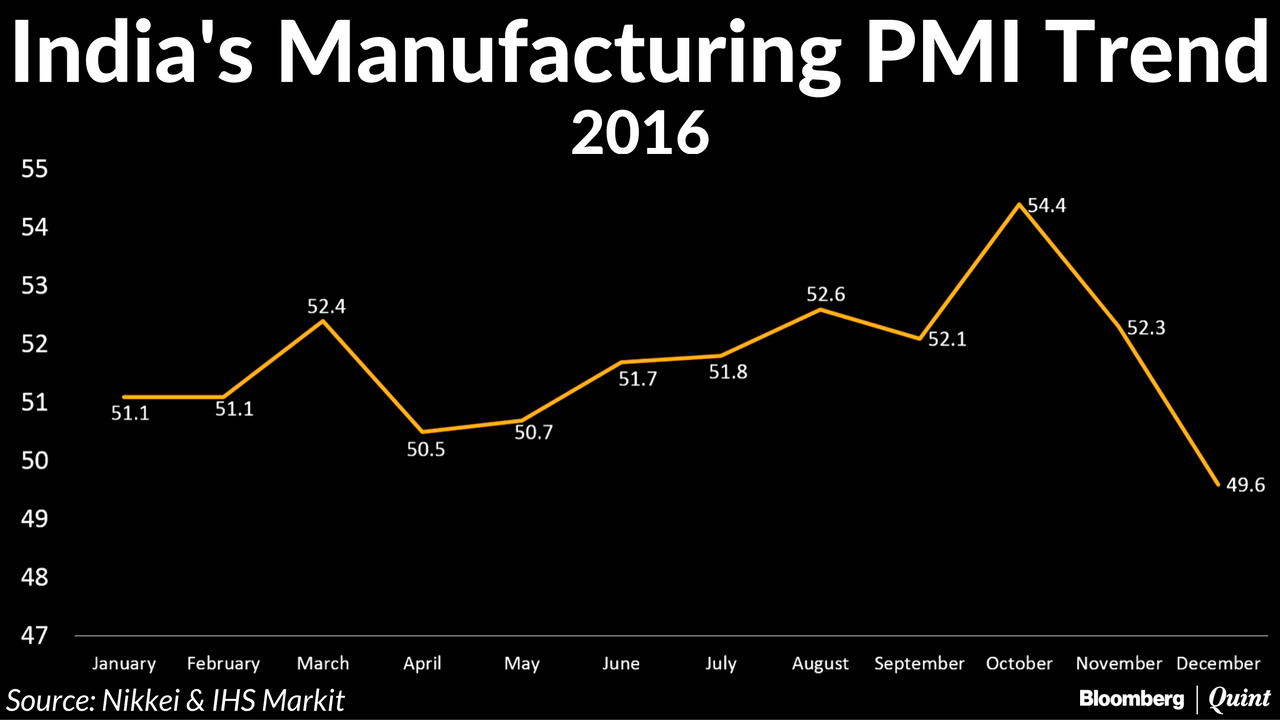
Four of the five components of the Purchasing Manager's Index fell below the 50 mark in December, and new work and output fell for the first time in 2016.
Cash shortages and lower activity at the workplace resulted in loss of jobs. Higher prices paid for a range of raw materials also led to average cost burden increasing for the fifteenth straight month in December. On the other hand, output costs rose at the slowest pace since August.
Cash flow issues reportedly impaired the ability of manufacturers to work on outstanding business. As a result, backlogs rose for the seventh consecutive month.
With the window for exchangingnotes having closed at the end of December,January data will be key in showing whether thesector will see a quick rebound.Pollyanna De Lima, Economist, IHS Markit And Author Of The Report
Demonetisation Impact On Economy
Data released since the government's November 8 decision to withdraw notes of Rs 500 and Rs 1000 is slowing starting to reflect the disruption to economic activity from the note ban.
The Nikkei/Markit Services PMI had fallen to 46.7 in November from October's 54.5, reflecting an immediate hit to the services sector in the aftermath of demonetisation. The Services PMI reading for December is scheduled to be released later this week.
Leading indicators, too, are pointing to a likely hit to activity in the December and March ended quarters.
According to the Nomura Composite Leading Index, which tracks non-agricultural GDP growth with a two-quarter lead, GDP growth could fall to below 6 percent in the January-March quarter. The index has fallen to a level not seen since the series started in the second quarter of 1996, said the financial services firm in a report dated December 21.
Essential Business Intelligence, Sharp Market Insights, Practical Personal Finance Advice, Daily Fuel, Gold and Silver Prices and Latest Stories — On NDTV Profit.