- FTSE will add 10 Indian firms to its Emerging Markets All Cap Index in Sept 2026
- Meesho, Lenskart, Infosys, Groww, and Bharti Airtel may see highest inflows per JPMorgan
- Morgan Stanley expects inflows for Cupid, JSW Infra, Pine Labs, IndusInd Bank, and Anthem
FTSE Rejig: Global index provider Financial Times Stock Exchange (FTSE) has included 10 Indian companies including Groww, Meesho, Infosys, among others to its FTSE Emerging Markets All Cap Index as part of its September 2026 index review. FTSE announced the confirmed changes for its quarterly review, which will be effective from Sept. 21, 2026.
The index adjustment is set to take place on Sept. 18, 2026. New-age stocks Meesho, Lenskart, Groww, along with heavyweights Infosys and Bharti Airtel are likely to see the highest inflows, according to global brokerage JPMorgan.
FTSE September Rejig: Stocks to see inflows on inclusion, as per JPMorgan are as follows:
Also Read | Layoffs Are Rising In Tech, But These Skills Are Helping People Unlock Better Pay
- Meesho could see inflows worth $75.9 million
- Lenskart could see inflows worth $71.1 million
- Infosys could see inflows worth $57.4 million
- Groww could see inflows worth $56.2 million
- Bharti Airtel could see inflows worth $55.2 million
ALSO READ: MSCI Rejig: Laurus Labs, Lenskart, Adani Energy, Groww Added To Global Index - Details Inside
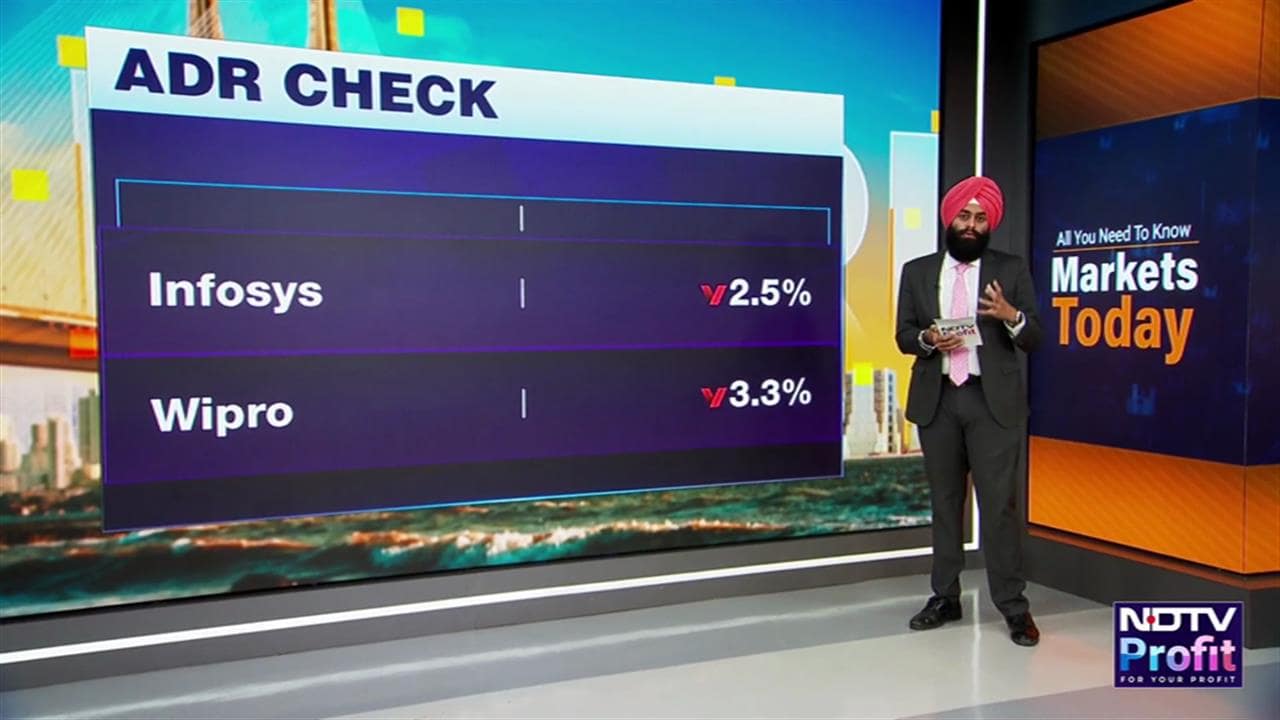
Additionally, according to global brokerage Morgan Stanley, some of the other stocks that could see inflows are – Cupid, JSW Infra, Pine Labs, IndusInd Bank and Anthem Biosciences. On the other hand, tthree stocks - Biocon, Wipro, and Aadhar Housing Finance could see outflows on likely index exclusion during the September rejig, as per the brokerage.
FTSE September Rejig: Stocks to see inflows on inclusion, as per Morgan Stanley are as follows:
- Cupid could see inflows worth $58 million
- JSW Infra could see inflows worth $43 million
- Urban Company could see inflows worth $42 million
- Pine Labs could see inflows worth $38 million
- IndusInd Bank could see inflows worth $37 million
- Anthem Biosciences could see inflows worth $36 million
FTSE September Rejig: Stocks to see outflows on exclusion, as per Morgan Stanley are as follows:
- Biocon could see outflows worth $20 million
- Wipro could see outflows worth $14 million
- Aadhar Housing could see outflows worth $8 million
The FTSE Emerging All Cap Index is a market-capitalisation weighted index highlighting the performance of large, mid and small cap stocks in emerging markets. Index rejigs are key events for the market as they help investors to gauge the direction in which the funds are moving. When an index is reorganised, exchange-traded funds (ETFs) and mutual funds that track that index perform a rebalancing exercise. This is crucial for them to re-align their portfolios with the new composition of the index.
ALSO READ: FTSE Rejig: Lenskart, Groww, Tata Capital Among Five Companies Added To Emerging Markets Index
Essentially, the index's constituents are adjusted to maintain the intended asset allocation proportions or to keep the overall risk level consistent with the index's predefined methodology. The rebalancing activity usually begins days before the date the changes are implemented. FTSE index changes are closely tracked by global investors because passive funds benchmarked to these indices often rebalance their portfolios based on the revisions.
The move could lead to incremental inflows into the newly added stocks closer to the effective date. FTSE, short for Financial Times Stock Exchange, is a family of global stock market indices jointly developed by the Financial Times and the London Stock Exchange. The FTSE All-World Index tracks the performance of large and mid-sized companies across developed and emerging markets worldwide and is weighted based on companies' market capitalisation.
Essential Business Intelligence, Sharp Market Insights, Practical Personal Finance Advice, Daily Fuel, Gold and Silver Prices and Latest Stories — On NDTV Profit.