- Derivatives markets will gain importance due to rising volatility and geopolitical risks
- Technological shifts and geopolitical tensions increase the need for risk management tools
- India expects decline in F&O volumes after tax hikes and regulatory curbs on speculation
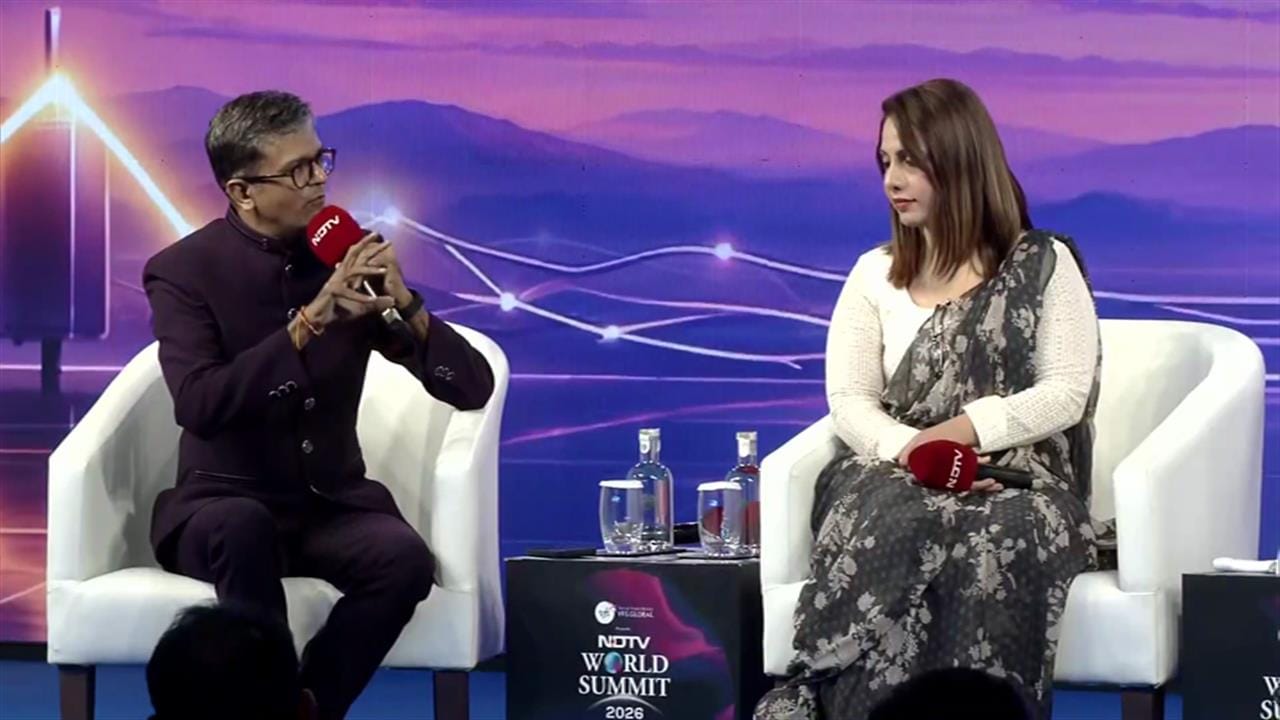
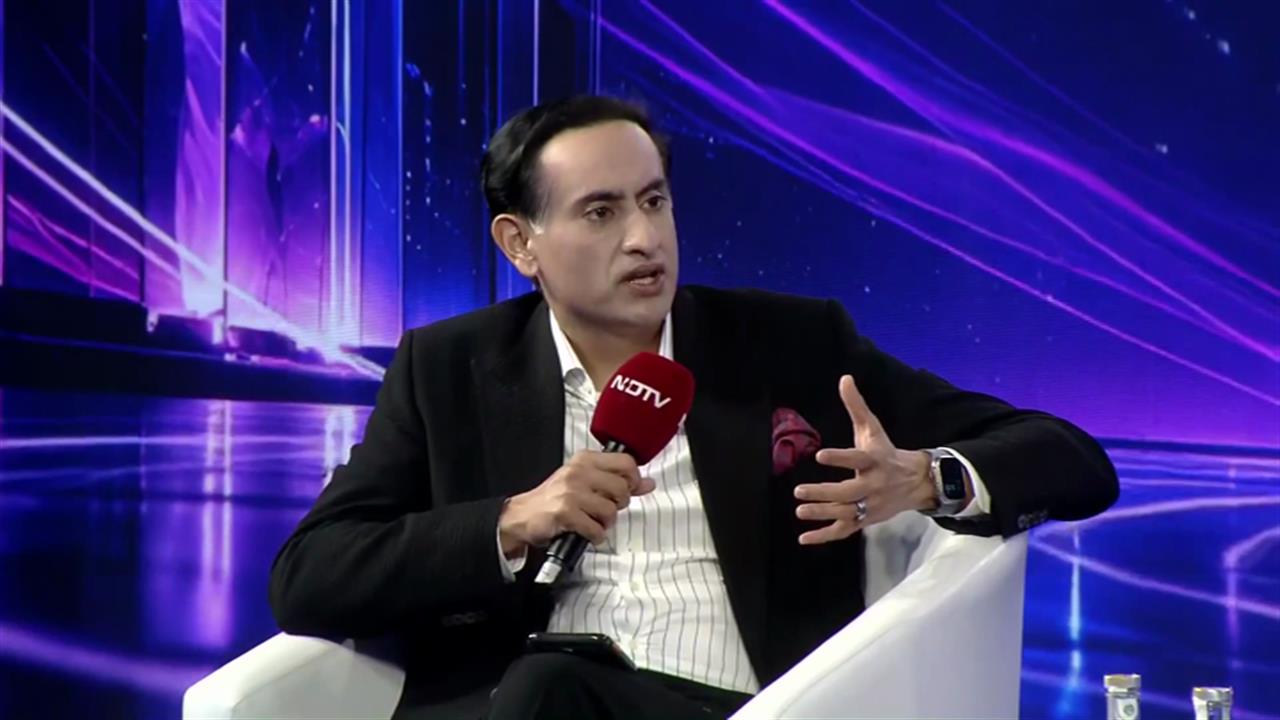
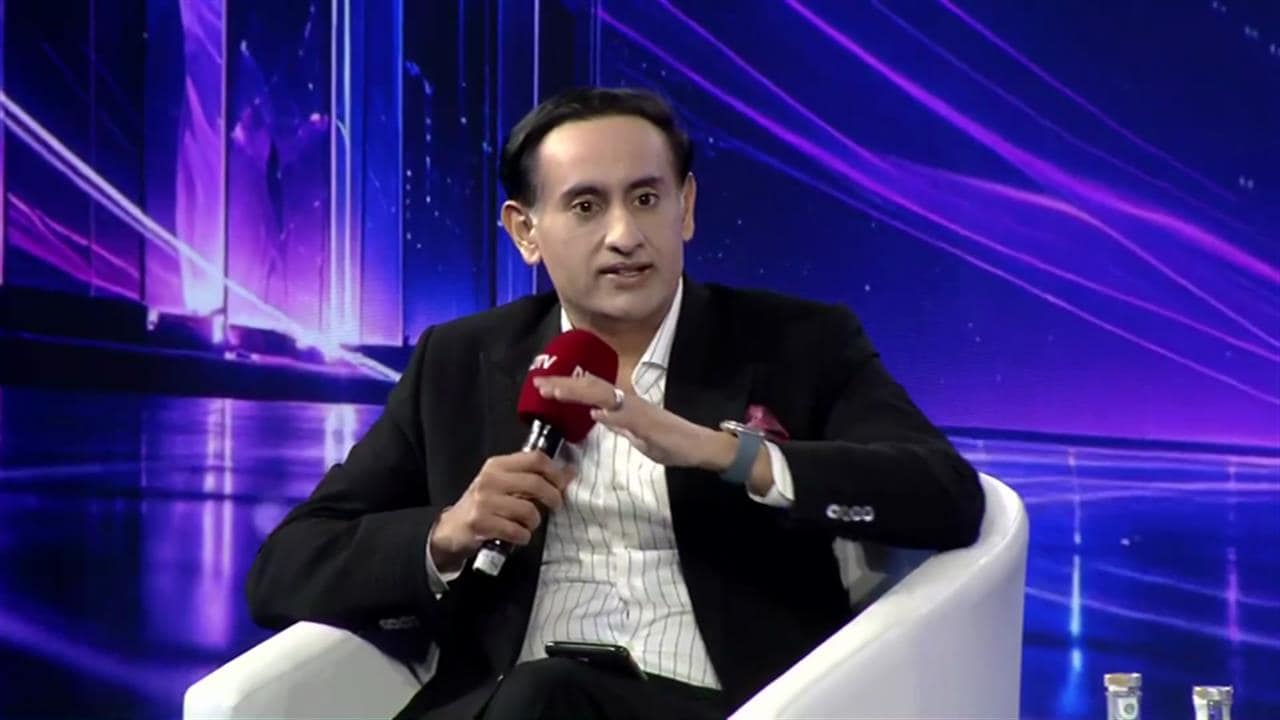
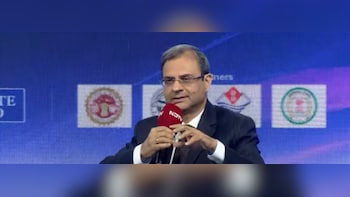
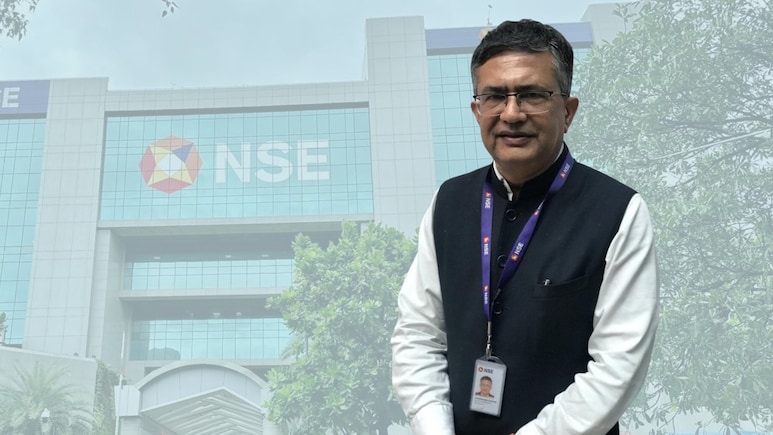
As geopolitical tensions, rapid technological shifts and financial market disruptions reshape the global economy, derivatives markets will become even more critical for risk management, but tighter safeguards are equally necessary to curb excessive retail speculation, according to Ashishkumar Chauhan, Managing Director and CEO of the National Stock Exchange of India.
Speaking at the FIA conference in Mumbai on Wednesday, Chauhan said the need for derivative markets will only increase in the coming decades as volatility rises across asset classes.
Rising Risks, Rising Need For Derivatives
Chauhan highlighted that rapid technological advancements are bringing sweeping changes across economies and financial systems. Alongside this, geopolitical developments are introducing new layers of uncertainty.
Also Read | Layoffs Are Rising In Tech, But These Skills Are Helping People Unlock Better Pay
Over the next 20 to 30 to 50 years, markets that allow efficient management and transfer of risk will become increasingly important, he said. Derivatives markets, in particular, will play a larger role in helping institutions hedge exposures amid currency fluctuations, commodity shocks, interest rate cycles and geopolitical instability.
"Derivatives markets will be needed much more and their need will go up over years," he said during the event.
His comments come at a time when global markets are grappling with wars, supply chain disruptions, shifting trade alliances and tightening financial conditions, all of which lead to market volatility.
ALSO READ: BSE Drops Tata Tech, HUDCO, Piramal Pharma And Torrent Power From F&O Segment
Degrowth In F&O Volumes After Tax Hike
However, Chauhan acknowledged that near-term volumes in India's derivatives segment could face pressure.
Following the recent tax hike, the exchange expects to see further degrowth in F&O trading volumes after April. He also added that regulatory measures aimed at curbing excessive speculation will continue.
Over the past year, policymakers and regulators have taken steps to rein in retail participation in short-term derivatives trading, amid concerns about losses among small investors.
Chauhan stressed that while derivatives markets are essential, a developing country like India cannot allow over-speculation, particularly among the lower strata of society.
“No developing country can allow its lower strata citizens to waste their money, energy and resources over speculation,” he said. He noted that as long as there is a perception that financially vulnerable sections of society are engaging in excessive speculative activity and losing money, regulators and exchanges will continue introducing safeguards.
According to him, more regulations are likely to emerge from governments, regulators and exchanges to ensure that derivatives trading remains a risk management tool rather than a vehicle for unchecked speculation.
Proposal For Minimum Qualification Criteria
In that context, Chauhan proposed the introduction of minimum qualifying criteria for participation in derivatives markets, in line with frameworks adopted in markets such as the US and Singapore. India, he said, should consider adopting a similar regime.
The objective would be to ensure that participation in the derivatives segment is limited to individuals and entities that understand the risks and have the financial capacity to absorb potential losses.
Such a framework, he suggested, would provide adequate protection to economically vulnerable groups while still allowing the derivatives market to grow in a sustainable manner.
Essential Business Intelligence, Sharp Market Insights, Practical Personal Finance Advice, Daily Fuel, Gold and Silver Prices and Latest Stories — On NDTV Profit.