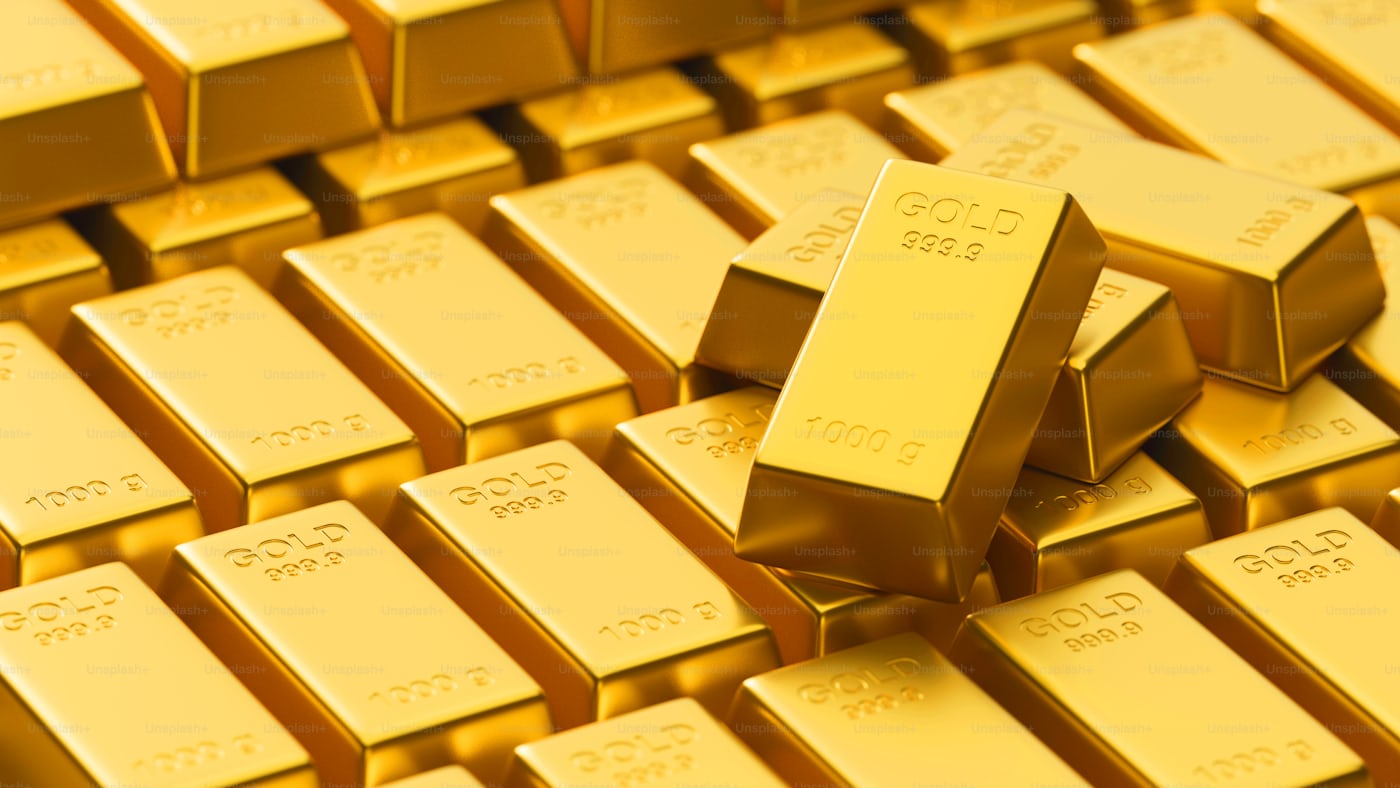
Gold's sharp decline during the ongoing US-Iran conflict has caught markets off guard, challenging its long-held status as a go-to safe-haven asset in times of geopolitical stress. Prices have fallen nearly 13% since the outbreak of hostilities, even as global uncertainty has intensified.
What makes the move more striking is that other risk assets have shown relatively milder declines. The S&P 500 is down about 7%, the Nasdaq has slipped 8%, and Bitcoin has edged lower by just 2%. “Surprise! Perhaps the most unusual move in markets during the Iran war has been the weakness of gold,” Deutsche Bank Research noted.
Why is gold falling?
Also Read | Layoffs Are Rising In Tech, But These Skills Are Helping People Unlock Better Pay
Analysts point to a combination of factors driving the selloff rather than a single trigger.
1. Overheated rally before the war
Gold entered the conflict on the back of a strong rally. Prices hit a record high of nearly $5,600 per ounce in January and, despite the recent fall to around $4,490, remain roughly 50% higher than a year ago.
This sharp run-up made the metal vulnerable to profit-booking. “What's anomalous to me is the run up in the price of gold. We're talking about a decrease from that peak,” said Campbell Harvey of Duke University, while speaking to ABC News. He added that commodities often post weak returns following record highs.
2. Rising bond yields dent appeal
A key factor weighing on gold is the surge in US Treasury yields. The 10-year yield has climbed to around 4.45%, reflecting expectations that the Federal Reserve will keep interest rates higher for longer amid potential war-driven inflation.
Higher yields make bonds more attractive relative to gold, which does not generate income. “Gold doesn't pay interest,” said Adam Turnquist, chief technical strategist at LPL Financial.
Also Read: India's February IIP Growth Rises To 5.2% As Manufacturing Output Climbs
3. Strong dollar and shifting safe-haven demand
In times of crisis, investors don't always flock to gold alone. A stronger US dollar and higher-yielding debt instruments are currently drawing safe-haven flows, reducing demand for bullion.
Also Read: Trump Orders Blockade Of Sanctioned Oil Tankers In Venezuela
What next for gold?
Despite near-term volatility, analysts remain constructive on gold's long-term outlook. Prices have surged nearly 160% over the past five years, underscoring its enduring role in portfolios.
“Over the long term, the holders of gold have done just fine,” Harvey said, even as current market dynamics suggest that traditional safe-haven rules may not always apply.
Essential Business Intelligence, Sharp Market Insights, Practical Personal Finance Advice, Daily Fuel, Gold and Silver Prices and Latest Stories — On NDTV Profit.