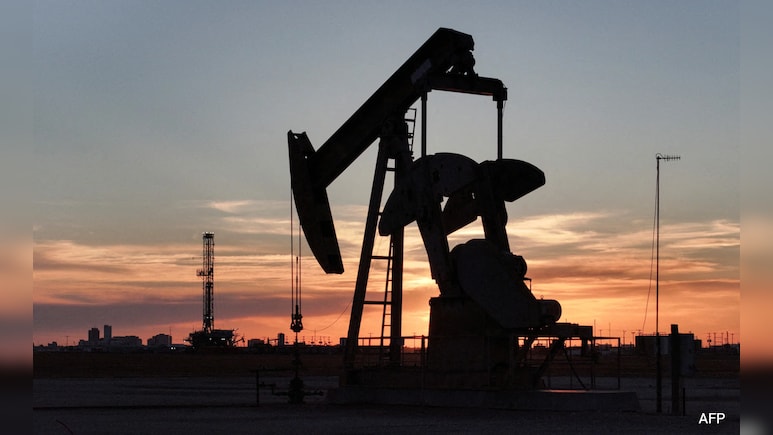
- Global oil prices surged after two tankers were attacked in Iraqi waters
- Iraq suspended operations at its oil terminals following the tanker attacks
- Brent crude rose nearly 8% to $99.24, WTI surged close to $94 per barrel
Brent crude has surged 10%, back towards the $100‑a‑barrel mark after two tankers were struck in Iraqi waters, highlighting the growing vulnerability of energy infrastructure across the Middle East and overshadowing the International Energy Agency's record release of emergency reserves.
In early morning trading, brent crude had climbed as much as 7.9% to $99.24 a barrel, while West Texas Intermediate (WTI) surged close to $94 as a reaction to the heightened geopolitical risk and the potential impact on global supply.
Iraq's state oil marketer, the State Organization for Marketing of Oil (SOMO), confirmed that two vessels — the Marshall Islands-flagged Safesea Vishnu and the Malta-flagged Zefyros — were targeted while in the loading zone near Iraqi ports.
Also Read | Layoffs Are Rising In Tech, But These Skills Are Helping People Unlock Better Pay
Tanker Attacks Disrupt Iraqi Oil Logistics
According to SOMO, Safesea Vishnu had been chartered by a firm working with the state oil marketer. The Zefyros tanker was transporting condensate produced by Basrah Gas Company and was scheduled to arrive at Khor Al-Zubair Port to load an additional shipment of naphtha used as petrochemical feedstock.
Authorities warned that the incident threatens both Iraq's economy and maritime safety in its territorial waters.
Get all the latest updates of US, Israel-Iran war here.
“This event negatively impacts Iraq's security and economy, and poses a threat to the safety of maritime navigation and oil activities,” SOMO said in a statement.
Following the attack, Iraqi authorities halted activity at the country's oil terminals, further tightening supply concerns.
Strategic Reserve Release Fails to Calm
The disruption comes as energy markets are already under pressure from escalating tensions in the region and the near-closure of the Strait of Hormuz, a critical chokepoint through which roughly 20% of global oil supply typically passes.
To counter the supply shock, the International Energy Agency (IEA) coordinated a massive release of 400 million barrels from strategic reserves, the largest such intervention on record.
The United States alone plans to contribute 172 million barrels to the effort. Despite the move, the scale of production cuts across Gulf producers — estimated at about 6% of global oil supply — has kept prices elevated.
The energy rally has also been driven by escalating geopolitical rhetoric. Iran has reportedly indicated that any ceasefire would require guarantees from the US that neither it nor Israel would launch future attacks — conditions Washington is unlikely to accept.
ALSO READ: US Launches Probe Into India For Running $58 Billion Trade Surplus
Essential Business Intelligence, Sharp Market Insights, Practical Personal Finance Advice, Daily Fuel, Gold and Silver Prices and Latest Stories — On NDTV Profit.