- Asia-Pacific markets showed mixed trends amid a global rally and US-Iran conflict stalemate
- South Korea's Kospi surged over 3% intraday but slid 2% due to Middle East supply concerns
- Japan's Nikkei 225 fell 0.8% after opening higher, while Australia's S&P/ASX 200 rose 0.15%
Asia-Pacific markets traded mixed on Tuesday, Aug. 4 as investors followed a global rally, with oil prices holding near lowest levels in weeks as the US-Iran conflict remained at a stalemate. South Korea's indices moved sharply in opposite directions. Tech-heavy Kospi trades over 3% higher as it triggered a buy-side trading curb after a sharp intraday rebound. On the other hand, Kospi opened 1.5% higher but quickly pared early gains and slid 2% on concerns of Middle Eastern supply, which remains at risk. The diplomatic resolution to the US-Iran war, which has disrupted shipments, still seems unlikely.
Japan's Nikkei 225 also opened higher but pared gains to slide 0.8% lower while the Topix opened marginally above the flatline. Australia's benchmark S&P/ASX 200 was 0.15% higher. MSCI's broadest index of Asia-Pacific shares outside Japan was up 0.1%, led mostly by South Korean shares, while S&P 500 e-mini futures nudged 0.1% higher. Despite a sharp rally on Friday, the Kospi benchmark posted a 22.1% loss in July, its third-worst monthly performance since 1990.
ALSO READ: Stock Market Today: All You Need To Know Before Going Into Trade On Aug. 4
Also Read | Layoffs Are Rising In Tech, But These Skills Are Helping People Unlock Better Pay
Asia-Pacific stocks today
China's Hang Seng index also traded in green. Earlier, Hong Kong Hang Seng index futures were last at 25,981 compared with the index's last close of 26,009.4. In individual stocks, South Korea's semiconductor sector performed steadily after a global AI rout. SK Hynix rose 1.98% to 1,598,000 won (about $1,117) and Samsung Electronics gained 1.04% to 242,000 won. Japanese tech stocks were mixed, with Kioxia rising 3.58% to 50,920 yen (about $324) while SoftBank Group gained 1.71% to 5,485 yen.
US-Yen intervention
Against the yen, the US dollar was up 0.3% at 157.625 yen, rebuilding strength after the coordinated intervention by US and Japanese authorities to prop up the yen last week. The US dollar index, which measures the greenback's strength against a basket of six currencies, was pinned near the lowest levels of the past two months at 99.99. The yield on the US 10-year Treasury bond was up 0.2 basis point at 4.684%. Japan is the largest holder of US treasuries. US is seeking to stabilize the currency before Tokyo is forced to sell even more Treasuries and push American borrowing costs higher.
ALSO READ: Stocks To Watch Today: Great Eastern Shipping, IREDA, LIC, Dabur, Gulf Oil & More
US-Iran peace deal uncertain
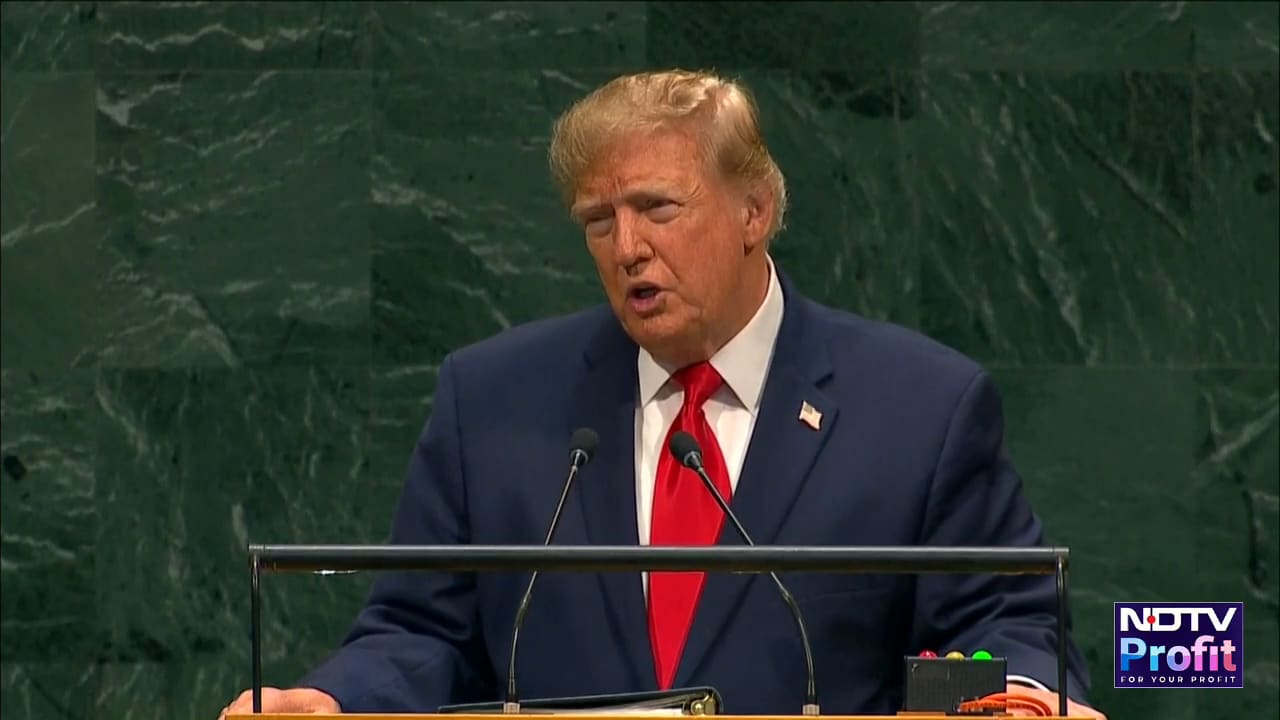
Overnight, markets took confidence from data showing that US manufacturing activity increased to the highest level in more than four years in July, sending the Dow Jones Industrial Average to a record close. Amazon eclipsed $3 trillion in market cap for the first time. US President Donald Trump said that talks with Iran were underway and described them as Tehran's "last chance" to secure a favorable agreement to end the Mideast war. Iran, however, denied that negotiations had taken place or were planned. Crude oil prices rebounded slightly on Tuesday, after plunging in the previous session.
Crude oil prices
Front-month Brent futures rose $0.62, or 0.7%, to $84.39 per barrel after dropping 7% in the previous session to a three-week low. US West Texas Intermediate crude was $0.61, or 0.7% higher at $80.95 after falling over 5% in the previous session to its lowest in nearly a week. Oil dropped after Trump said on Sunday he cancelled new attacks on Iran pending ongoing talks to end the war and settle claims over control of Strait of Hormuz. However, on Monday, Iran's Foreign Ministry spokesman Esmail Baghaei rejected Trump's claim, saying no negotiations with the US took place and no meetings were scheduled.
ALSO READ: Stock Picks Today: Glenmark Pharma, United Spirits, UPL, Exide, More On Brokerages' Radar
The dispute over the Strait of Hormuz remains a central point of contention. US says the memorandum of understanding agreed in June required Iran to open the waterway, while Tehran argues the text explicitly preserved its authority. The waterway connects Gulf oil producers to global markets and before the conflict energy exports equal to about 20% of total consumption transited daily. Traffic in the Hormuz between Iran and Oman also slowed following reports of vessel attacks.
Essential Business Intelligence, Sharp Market Insights, Practical Personal Finance Advice, Daily Fuel, Gold and Silver Prices and Latest Stories — On NDTV Profit.