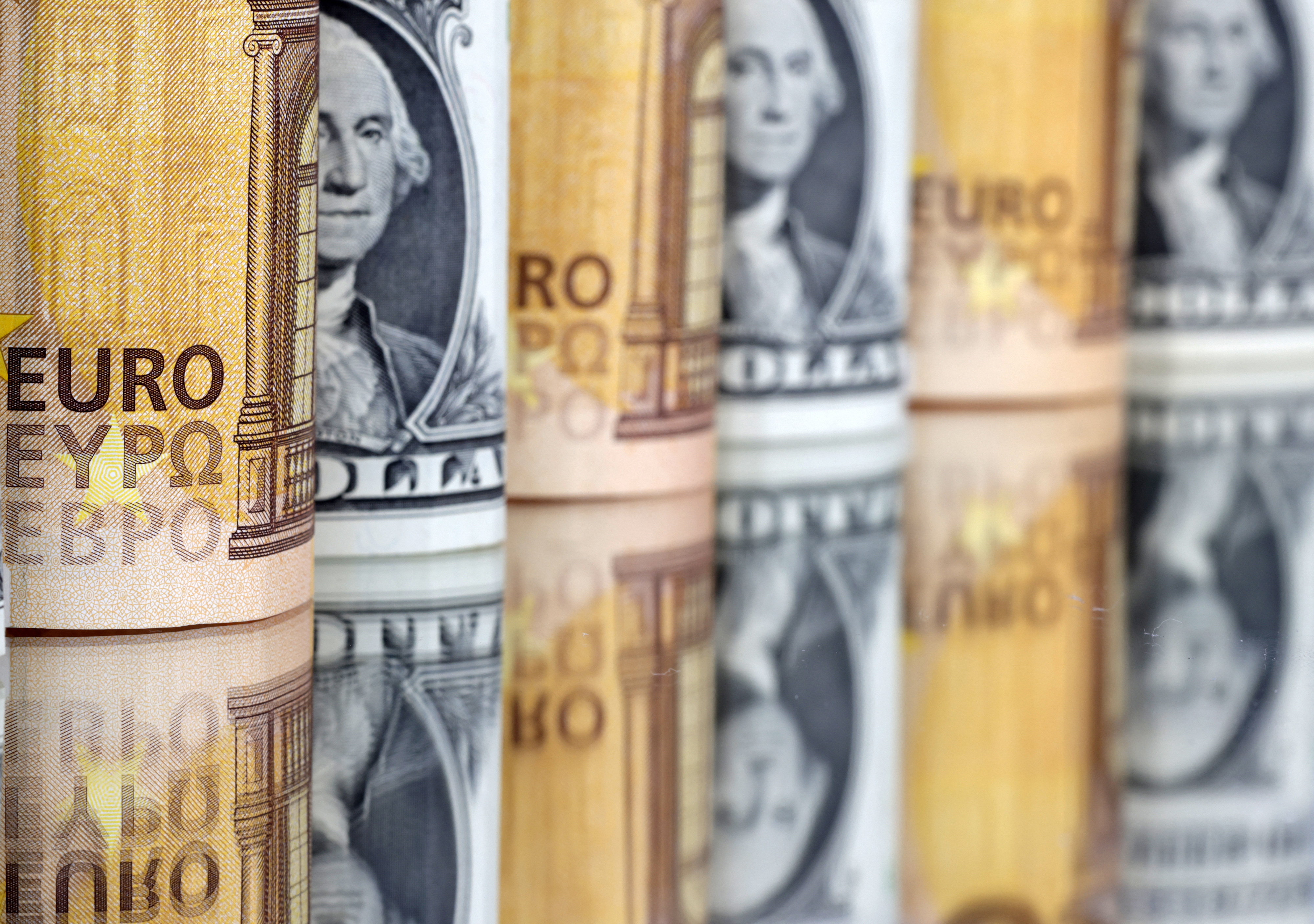
The dollar began the week nudging down from multi-year highs, with a hotter-than-forecast inflation reading in New Zealand lending modest support to the kiwi, though fears about Europe's gas supply put a cap on dollar selling.
The greenback has soared this year thanks to a combination of rising US interest rates and wobbling economies in Europe and China. It pushed above parity on the euro for the first time in almost 20 years last week, before easing back.

-
 Indian Markets Turning Corner After Two Tough Years, Says Sandeep Tandon
-
 NDTV Profit Ignite 2026: Experts See Opportunity In Equities, Stay Bullish For Long-Term
-
 Buy Right, Sit Tight Does Not Work for Individual Stocks, Says Dinshaw Irani
-
 'Worst Is Behind': Quant MF Sees Market Bottom, Flags 'Extreme Euphoria' In Midcaps
-
 India's Mutual Fund Industry Could Become A $1 Trillion Opportunity, Say Fund Managers
-
 'Foreign Investors Are Baraatis': Raamdeo Agrawal's Take On LTCG Tax
-
 Stay Invested Through Market Cycles: Raamdeo Agrawal at NDTV Profit Ignite
-
 Ramesh Damani Remains Bullish On India For Next 20-30 Years, Sees Bargains Amid Market Weakness
-
 CAS Came After A Long Consultation Process: SEBI Chairman Tuhin Kanta Pandey AT NDTV PROFIT IGNITE
-
 Aim To Cut FPI Onboarding Time From Mth To Five Days: SEBI Chairman Tuhin Kanta Pandey AT NDTV PROFI
The euro last bought $1.0094 and the yen, which has tumbled about 17 per cent this year, steadied at 138.29 per dollar. The New Zealand dollar and the Aussie inched higher after inflation surged to a three-decade high in New Zealand.
Also Read | Layoffs Are Rising In Tech, But These Skills Are Helping People Unlock Better Pay
Traders are holding their breath ahead of Thursday, when gas is supposed to resume flowing through the Nord Stream pipe from Russia to Germany after a shutdown for scheduled maintenance.
"If that doesn't happen, that would be a very bad thing for a lot of currencies," said Joseph Capurso, head of international economics at Commonwealth Bank of Australia, with the euro likely to be the biggest loser and the dollar a beneficiary.
The uncertainty is overshadowing a European Central Bank meeting, also due on Thursday, where policymakers are expected to begin Europe's hiking cycle with a 25 basis point (bp) increase.
The Bank of Japan meets on Thursday, too, though no policy changes are expected which could mean more pain for the beleaguered yen, while Japan has struck a lonely figure in pinning interest rates near zero.
Hike expectations firmed a little bit in Australia and New Zealand after data showing New Zealand's inflation hit a three-decade high last quarter was published on Monday.
At 7.3 per cent year-on-year price growth beat expectations, lifted two-year swap rates nearly 10 basis points and raised the kiwi by 0.5% to a one-week high of $0.6191.
The Australian dollar rose 0.3 per cent to $0.6814. Sterling drifted 0.2 per cent higher to $1.1890.
The US dollar index was steady at 107.830, a bit more than 1 per cent below last week's two-decade high of 109.290, though few seem willing yet to call a peak to the dollar's gains.
The Federal Reserve meets later in July and is expected to lift the benchmark U.S. interest rate by 75 bps. Even though that is more conservative than the 100 bp hike markets had priced in at one point last week, it is still quite a stiff increase.
"There has been a fixation with how the dollar is poised to weaken," analysts at HSBC said in an outlook report which instead raised the bank's dollar forecasts broadly.
"There has been too much attention paid to the dollar's frailties but not enough to the increasing ones elsewhere, which are causing the dollar to be overvalued.
"Global growth is slowing and the downside risks are intensifying, which is USD positive...this dollar bull run is not over yet."
Essential Business Intelligence, Sharp Market Insights, Practical Personal Finance Advice, Daily Fuel, Gold and Silver Prices and Latest Stories — On NDTV Profit.