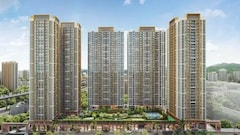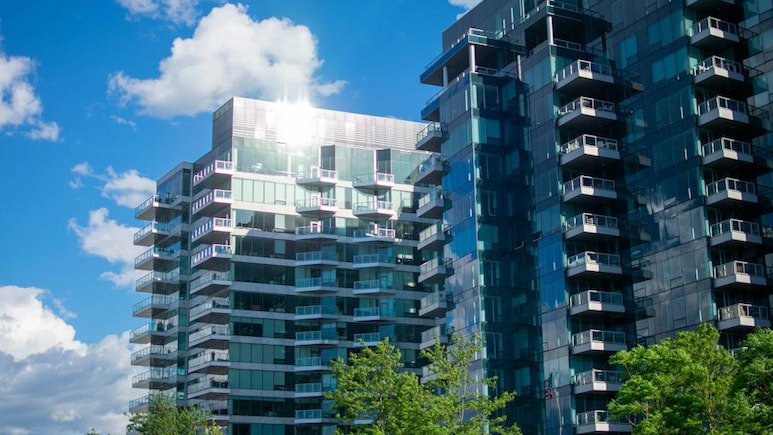
Mumbai's new luxury residential developments are increasingly drawing attention for their similar looking architecture, with floor-to-ceiling windows, glass-railed balconies and contemporary lighting becoming common features across most projects. The trend has sparked a discussion on Reddit, where users questioned whether developers are prioritising visual appeal over originality and climate-sensitive designs. The conversation began when a user asked why modern high-end buildings in Mumbai look so alike and appear to lack architectural originality.
Glass Windows and Balconies: Luxury or Practicality?
Several users defended the popularity of expansive windows and glass balconies, with arguments ranging from creating a sense of better air circulation,or to improve views and make apartments feel more spacious. One commenter said buyers paying premium prices should not have to settle for the small windows common in older homes.
However, another user argued that such designs, while potentially attractive in Western markets, may be less suitable for India's climate. Large glazed surfaces can increase heat gain, making indoor temperatures harder to manage. The commenter suggested that climate-responsive Indian architecture could offer modern aesthetics without compromising comfort.
Also Read | Layoffs Are Rising In Tech, But These Skills Are Helping People Unlock Better Pay
Residents Weigh In on Heat and Electricity Costs
Sharing their experience of living in a glass-fronted apartment, another Reddit user said managing heat was possible through layered curtains, "There are 2 seperate layers of curtains (those light sheer ones, and heavier blackout curtains). The curtains work to keep out the light and heat. They are opened and closed as needed. 90% of the time the sheers are in use, especially in bedrooms."
The resident added that air conditioning was used when necessary rather than continuously, particularly given the desire to manage electricity expenses. However, they acknowledged accepting some additional cooling costs in exchange for the apartment's views.
The discussion highlighted the trade-off between aesthetic preferences, energy consumption and everyday comfort in Mumbai's hot and humid conditions.
Developers Accused of Following the Same Formula
Other commenters argued that the uniformity extends beyond real estate to automobiles and fashion. They pointed to similarities in contemporary car styling, including narrow headlights, elongated tail-lights and elaborate alloy wheels, as well as the comparable clothing styles offered by multiple retail brands, "Clothing too.... I can go to Zara, H&M, Zudio, and a few other places and get generally similar looking stuff."
According to one user, businesses increasingly simplify their offerings and imitate competitors to appeal to a broader customer base. Real estate, the commenter suggested, has become similarly commoditised, with developers repeatedly offering familiar amenities and design features rather than distinctive architectural identities.
Calls for Climate-Sensitive Indian Architecture
Another participant argued that Mumbai's residential buildings should be designed around local weather, daylight and humidity rather than importing architectural ideas developed for colder, drier regions.
ALSO READ: Is Your Retirement Corpus Enough? Study Flags A Long-Term Savings Gap Among Women
The commenter questioned the logic of constructing glass-heavy buildings that subsequently require extensive air conditioning. "But we are importing ideas from West which are cold and dry places. It's just idiotic to have commercial glass buildings and then running air-conditioners 24x7," user commented.
The discussion reflects a broader debate over whether luxury housing should prioritise international design trends or develop a more distinctive architectural identity suited to India's climate.
Essential Business Intelligence, Sharp Market Insights, Practical Personal Finance Advice, Daily Fuel, Gold and Silver Prices and Latest Stories — On NDTV Profit.