- BMW India sees cautious luxury buyers amid Persian Gulf conflict and economic uncertainty
- Luxury car sales grew 17% in Q1 with 4,567 units, marking a record quarter for BMW India
- Luxury vehicle market is 1% of India's car sales but is growing with rising wealthy population
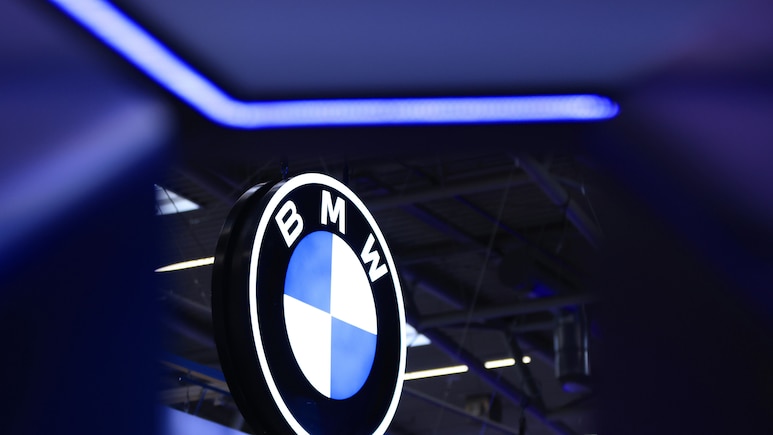
BMW AG's India business is seeing affluent consumers turn more cautious as conflict in the Persian Gulf weighs on sentiment and threatens to weaken local demand for luxury cars.
Many buyers are deferring high-value purchases until the global growth outlook —clouded by the US-Iran war — becomes clearer, while others are shifting to electric vehicles in anticipation of potentially steeper gasoline prices, according to Hardeep Singh Brar, president and chief executive officer of BMW's India unit.
“When cash flows are suddenly impacted, luxury is always discretionary,” Brar said in an interview.
The trend mirrors patterns seen during the Covid-19 pandemic, when premium-goods consumption slowed before gradually rebounding as the global economy normalized.
BMW reported a strong start to the year in India before hostilities escalated in the Middle East. The German carmaker sold 4,567 cars in the first quarter — its best-ever January-to-March performance — notching a 17% gain from a year ago.
India's luxury car market accounts for just 1% of overall passenger-vehicle sales, but it continues to attract premium brands as the country's wealthy population grows.
Quarterly sales data for the entire segment is expected in the coming days and will offer the first clear snapshot of whether broader consumer sentiment has begun to soften.
BMW has sustained robust growth by drawing in EV buyers looking for long-term fuel savings, thanks to its strategy of keeping prices of battery-powered cars broadly aligned with its internal-combustion models.
“If there is an opportunity to save a meaningful amount over time, they will look at it seriously,” said Brar, who joined BMW Group India last year from Kia Corp.'s local operations.
All-electric models have underpinned BMW's outperformance in India relative to peers. In March alone, the company registered 437 EVs, while Mercedes logged only 97 and Tesla sold 49 Model Y electric SUVs, according to the Federation of Automobile Dealers' of India.
BMW delivered 1,185 EVs in the latest quarter, an 83% from a year earlier, Brar said. Fully electric models now account for about 26% of the company's total sales in India.
(This story has not been edited by NDTV staff and is auto-generated from a syndicated feed.)
Essential Business Intelligence, Continuous LIVE TV, Sharp Market Insights, Practical Personal Finance Advice and Latest Stories — On NDTV Profit.