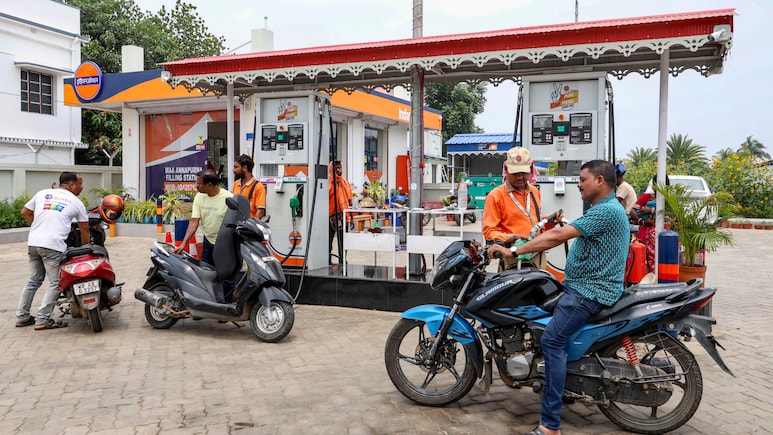
India managed to limit the increase in domestic petrol and diesel prices to around 7% during the global oil price shock despite importing nearly 85% of its crude oil, thanks to a combination of supply-side interventions, demand management and fiscal support, according to Sunjay Sudhir, former Ambassador and Joint Secretary (IC) in the Ministry of Petroleum and Natural Gas (MoPNG).
Explaining how India avoided the steep fuel price hikes seen globally, Sudhir in an interview with ANI said many countries witnessed average increases of 25% to 30%, while India held retail fuel prices steady for an extended period before eventually raising them by about 7%.
"If you look at the rest of the world, prices really spiked... on an average... the hike was about 25-30%. We were able to hold the prices for a long time till finally increasing it by 7%," Sudhir said.
Also Read | Layoffs Are Rising In Tech, But These Skills Are Helping People Unlock Better Pay
ALSO READ: Nearly 45% Of Indian Homes Not EV-Ready, Need Electrical Upgrades: Report
He said the government adopted a two-pronged strategy by addressing both the supply and demand sides of the market. Prioritising domestic fuel requirements helped cushion consumers from the impact of supply disruptions and surging global prices.
On the fiscal front, Sudhir said the Centre reduced excise duty on petrol and diesel to soften the burden on consumers, even as oil marketing companies suffered significant under-recoveries.
"There was huge under recovery by our oil marketing companies to the extent of about Rs 30,000 crore every month and government was losing something like Rs 24 per litre on petrol and about Rs 30 per litre on diesel," he said.
Describing the government's approach as a calculated trade-off, Sudhir said the temporary fiscal cost helped preserve macroeconomic stability while shielding households from the full impact of soaring crude prices.
"That short-term pain was very important to keep the macroeconomics of the country stable and also to buffer the cost impact on the individual consumer," he said.
He added that the Indian crude basket surged from about $70 per barrel to $156 per barrel, yet the government managed to prevent a proportionate increase in retail fuel prices.
Essential Business Intelligence, Sharp Market Insights, Practical Personal Finance Advice, Daily Fuel, Gold and Silver Prices and Latest Stories — On NDTV Profit.