The Centre has told the Supreme Court that it will amend the Information Technology (Intermediary Guidelines and Digital Media Ethics Code) Rules to stop children under 18 from opening social media accounts, making it a statutory obligation for platforms to block such registrations.
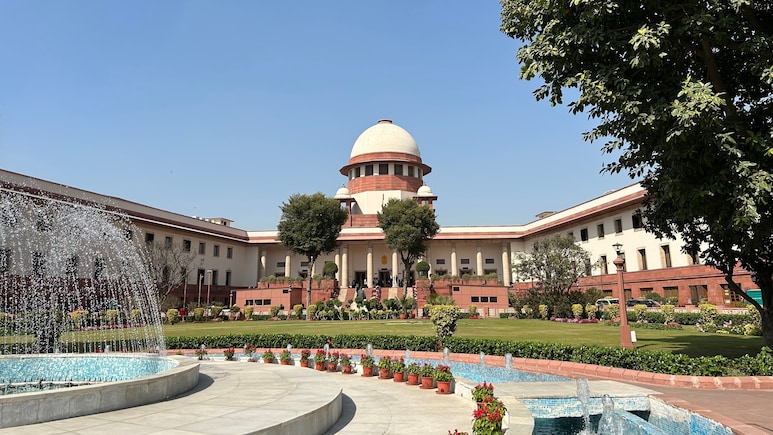
Solicitor General Tushar Mehta gave the assurance on Monday before a bench headed by Chief Justice of India Surya Kant, with Justices Joymalya Bagchi and V Mohana.
He acknowledged that agreements entered into by minors with social media intermediaries are void contracts and should be prevented. Platforms, he said, must restrict registration to those aged 18 and above.
Also Read | Layoffs Are Rising In Tech, But These Skills Are Helping People Unlock Better Pay
Mehta added that membership of educational websites could continue with parental consent. He also said the existing guidelines needed statutory backing to be enforced effectively, after the petitioner's counsel pointed out that guidelines already exist but are not being implemented.
The court asked the Centre to consider putting the requirement in statutory form and to return with its response. Justice Bagchi said it should not remain merely a guideline. "The software has to be in conformity with Indian law," he said, indicating that platforms may have to redesign their systems to comply with Indian age restrictions.
The bench also observed that intermediaries should, at the very least, align their membership so that the 18-year threshold is not breached.
The bench was hearing a plea by the NGO Just Rights for Children Alliance, represented by senior advocate HS Phoolka.
The petition argues that platforms such as Facebook and Snapchat allow users to create accounts from the age of 13, although Indian law treats anyone below 18 as a minor with no capacity to contract independently under Section 11 of the Indian Contract Act.
The plea does not seek a blanket internet ban for children. It asks for mandatory parental or guardian consent and automated technical safeguards. It cites online grooming, sextortion, cyberbullying, sexual exploitation and misuse of children's data because of weak age verification.
Mehta said the issue prima facie appeared to be covered by the Digital Personal Data Protection Act. Phoolka countered that the law has not yet come into force and will apply only from 2027, which is why the petitioners want enforceable rules now.
The Centre has not said when the amendment will be notified, how platforms will verify age, or what penalties they will face for non-compliance. Those details are likely to decide how the rule works in practice, and how much platforms must change their sign-up systems for Indian users.
ALSO READ: EU Proposes 'KIDS Act' To Ban Social Media For Under-13s, Regulate AI
Essential Business Intelligence, Sharp Market Insights, Practical Personal Finance Advice, Daily Fuel, Gold and Silver Prices and Latest Stories — On NDTV Profit.