Sometime in the last few years, a particular kind of obituary became common. A man in his mid-forties, no prior history, dies of a cardiac arrest. A woman in her early fifties, seemingly healthy, collapses. The WhatsApp forwards that follow talk about stress, about hustle culture, about the price of modern life.
What they rarely talk about is what Dr. Arvind Lal has been saying for decades; that Indians are genetically predisposed to developing heart disease, diabetes, and metabolic illness ten to fifteen years earlier than their Western counterparts, and that most of them have no idea because they have never been tested.
"People were dying but they did not know why they were dying," Lal tells on NDTV Profit's Disruptors. "Rab ko pyara ho gaya — that's what we used to hear. But now we can actually increase their lifespan by testing them earlier."
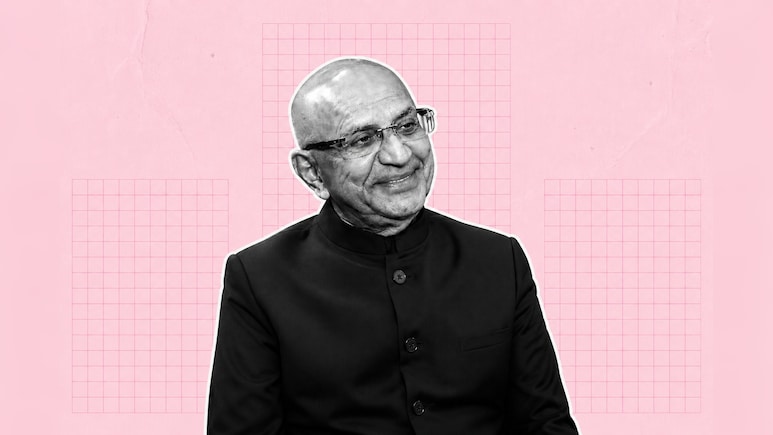
Lal is 76, built Dr. Lal PathLabs from a four-person lab in Connaught Place, and has spent the better part of five decades building the diagnostic infrastructure that makes early detection possible in India.
The Main Diagnosis
The problem, as he describes it, is that most Indians never think to get the tests until something goes wrong. A CBC, blood sugar, cholesterol, SGPT for the liver, creatinine for the kidney — five basic tests that together cost a few hundred rupees and can flag diabetes, cardiovascular risk, liver dysfunction, and kidney disease years before symptoms arrive.
"By the age of 20 to 25, just get these four or five basic tests done," he says. "Whether you have any symptoms or not. Because this will find out if you have something. And if you don't have it, you are clear."
Most Indians don't get them until a doctor prescribes something specific, which usually means a symptom has already appeared, which usually means the disease has been developing quietly for years.
The Insurance Angle
Indian health insurance, despite recent improvements in coverage, still does not meaningfully reimburse outpatient diagnostics. A test that might catch high cholesterol at 30 — and potentially prevent a cardiac event at 45 — is an out-of-pocket expense that people weigh against rent, school fees, and groceries, and defer.
"It is penny wise and pound foolish," Lal says. The insurance system will pay for the bypass surgery but not the lipid profile that might have made the surgery unnecessary. "If we tell a person at that point of time that your cholesterol is high, you are saving not only thousands and lakhs of rupees for that person, but you are saving a bread earner."
Indian Predisposition
Indians carry a predisposition toward insulin resistance and cardiovascular disease that compresses the window between being technically healthy and being seriously ill, he says. A 40-year-old Indian with untreated high cholesterol and elevated blood sugar is not in the same risk category as a 40-year-old elsewhere with the same numbers.
"We have a gene which brings the age down," Lal explains, "and also because of lifestyle. These are lifestyle diseases which can be improved. You improve your lifestyle, and you will become better." The cultural tendency to treat a blood test as something you do when something is already wrong means that the narrower window is often missed entirely.
Lal is careful to push back on the idea that Indians are being overtested, a complaint occasionally levelled at diagnostic chains that offer bundled packages. "India is still doing undertesting," he says flatly. "It's other countries, slightly more developed than us, who actually do much more tests — which are obviously required."
According to him, the bundled package conversation is a distraction from the more uncomfortable reality that a significant portion of the population has never had a basic metabolic panel done in their lives.
Detectable Diseases
He estimates that uncontrolled lifestyle diseases account for around 2% of India's GDP — a number that sits differently when you consider that most of those diseases are detectable years before they become expensive.
Dr. Lal PathLabs began in 1949 when his father opened what is regarded as the first organised pathology lab in North India. Arvind Lal took it over in 1977 at 28, after his father's death, with a team of four and a lab on Hanuman Road in central Delhi. The collection centre model — separating blood draw from testing, sending samples to a central lab and reports back the same evening — was his innovation, prompted by a patient from Model Town who simply wanted his blood drawn closer to home.
The company now employs 7,000 to 8,000 people and is publicly listed. Lal still comes in for eight to ten hours a day and has no retirement plans. "When I don't feel like working, I will not go," he says. "That's it."
Watch The Full Conversation
Essential Business Intelligence, Sharp Market Insights, Practical Personal Finance Advice, Daily Fuel, Gold and Silver Prices and Latest Stories — On NDTV Profit.