- India's 2026 southwest monsoon rainfall was 12.6% below the long-period average
- The total monsoon rainfall measured 759.4 millimetres, or 87% of the average
- 2026 marked the driest monsoon since 2015, per the India Meteorological Department
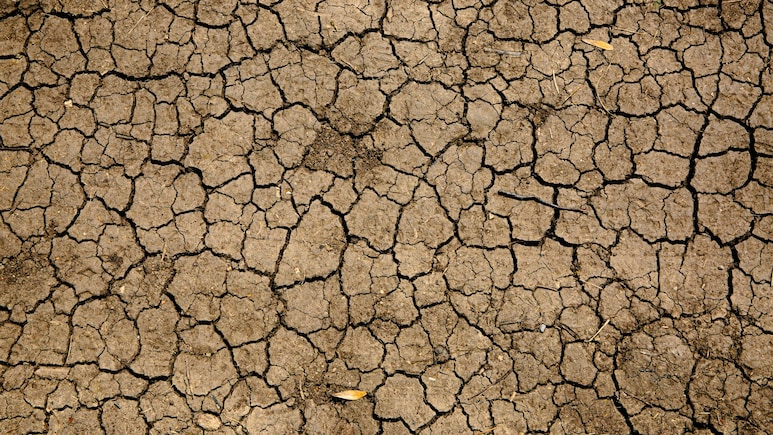
India's southwest monsoon has ended on a weak note, with rainfall during the June-September season coming in 12.6% below the long-period average, according to the India Meteorological Department.
The 2026 monsoon rainfall stood at 759.4 millimetres, or 87% of the average, T. Srinivasa Kumar, secretary at the Ministry of Earth Sciences, said, according to Bloomberg.
This makes the 2026 monsoon the driest since 2015, the IMD said. It was also the fourth-lowest monsoon rainfall since 2001 and ranked 13th lowest since 1941, according to the data cited by the government.
Also Read | Layoffs Are Rising In Tech, But These Skills Are Helping People Unlock Better Pay
ALSO READ: India's Drought Risk: Which Stocks Could Feel The Impact Of A Weak Monsoon And Rural Demand Shock?
India typically receives around 87 centimetres of rainfall during the southwest monsoon, which is crucial for agriculture, reservoir levels and overall rural demand.
Looking ahead, October rainfall is expected to remain below normal, Srinivasa said, as the country enters the post-monsoon period.
The below-normal monsoon comes despite variations in rainfall across regions during the four-month season, highlighting the uneven distribution of precipitation that can affect farm output and water availability.
According to a report in NDTV, a prolonged shortfall can affect crop yields and farm incomes, while also delaying purchases of farm inputs and weakening demand for agricultural equipment and other big-ticket products.
Rural and semi-urban lenders could come under pressure if weaker farm incomes affect borrowers' repayment capacity. L&T Finance has around 40% rural exposure, while M&M Financial Services has a large rural and semi-urban customer base. CreditAccess Grameen and Fusion Finance also have significant exposure to microfinance and rural borrowers. Around 71% of HDB Financial Services' branches are located in Tier-4 and smaller cities.
A severe rainfall deficit could add to agricultural stress and potentially weigh on asset quality if borrowers' cash flows weaken. Agriculture accounts for around 13% of system loans, with lenders such as IndusInd Bank and Federal Bank having relatively higher agricultural exposure compared with larger private-sector banks and State Bank of India.
Tractor demand is closely linked to monsoon performance and farm incomes. Data from the past 15 years shows that in five years of sub-normal rainfall, 2012, 2014, 2015, 2018 and 2023, tractor volumes declined year-on-year in four of those years.
Weak rainfall can affect irrigation-related spending and demand for products such as PVC pipes. Supreme Industries, which has around 20-30% agricultural exposure, could therefore remain on investors' radar.
Lower acreage and pressure on farm economics could weigh on fertiliser offtake. Coromandel International and Chambal Fertilisers are among the stocks that could be watched as the impact of the weak monsoon filters through the agricultural cycle.
Rural consumption could also face pressure if farm incomes remain subdued. A prolonged rural income squeeze may delay the recovery in rural consumption relative to urban demand, potentially affecting volumes for consumer-goods companies.
The concern extends beyond the Kharif crop. The southwest monsoon ended around 12% below normal, while uneven rainfall has left parts of the farm economy under stress and raised concerns about reservoir replenishment ahead of the Rabi season.
ALSO READ: Monsoon Withdrawal From September 19? IMD Flags Rain Deficit In Key States
Maharashtra has declared drought across 265 of its 358 talukas, or about 74% of the state, according to the data cited. Karnataka has also declared more than 100 taluks drought-hit amid widespread rainfall deficits.
The emerging El Nino adds another layer of uncertainty. Agriculture Secretary Atish Chandra has warned that the Rabi season could be particularly challenging for rainfed regions and that foodgrain production may be affected as El Nino becomes a key risk.
Against this backdrop, the government has set a lower 2026-27 foodgrain production target of 373.93 million tonnes, including a Rabi target of 177.72 million tonnes.
Essential Business Intelligence, Sharp Market Insights, Practical Personal Finance Advice, Daily Fuel, Gold and Silver Prices and Latest Stories — On NDTV Profit.