- The government approved a scheme to boost domestic piped natural gas connections by 2026
- City Gas Distribution firms get extra APM gas for each new billed PNG connection above targets
- Scheme aims to cut payback on PNG investments from 10 years to about 3 years for CGD companies
The government has approved a new incentive scheme to accelerate the expansion of domestic piped natural gas (PNG) connections, aiming to make clean and affordable cooking fuel available to more households across India. The scheme will take effect from Sept. 1, 2026.
India currently has around 1.74 crore domestic PNG connections. Under the new initiative, City Gas Distribution (CGD) companies will be incentivised to convert existing unbilled connections into active, billed connections and expand their PNG networks.
How Will The PNG Incentive Scheme Work?
Under the APM/NAPM Incentive Scheme for Promotion of Domestic PNG Connections, eligible CGD entities will receive an additional 200 standard cubic metres (SCM) of domestically produced, lower-priced APM gas for every incremental billed domestic PNG connection achieved above the threshold set for their respective geographical area.
Also Read | Layoffs Are Rising In Tech, But These Skills Are Helping People Unlock Better Pay
The scheme will be implemented in two tranches over six months.
Also Read | Govt Withdraws Emergency Gas Supply Curbs As LNG Shipments Resume Via Strait of Hormuz
The additional allocation is expected to help CGD companies reduce their overall gas-sourcing costs by replacing relatively costlier gas used elsewhere in their operations. The resulting savings are expected to improve the economics of expanding household PNG networks.
According to the government, the scheme could reduce the payback period for capital expenditure on domestic PNG connections from around 10 years to approximately three years, giving CGD companies a stronger incentive to expand their networks and activate more household connections.
Why The Scheme Matters For Households?
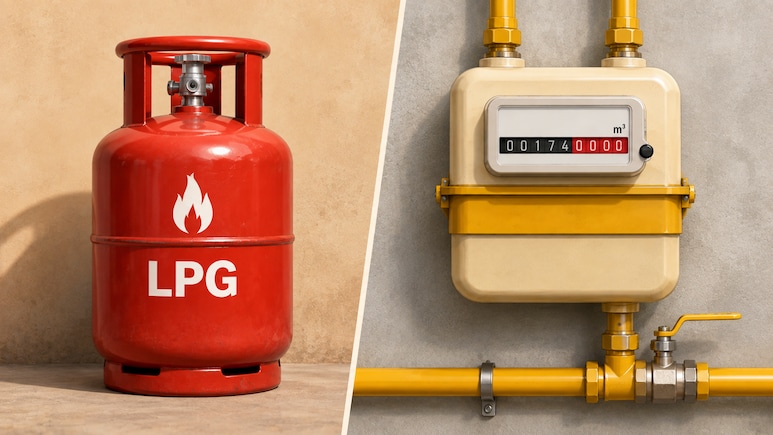
PNG offers an alternative to conventional cooking fuels by supplying gas directly to households through pipelines. Unlike LPG, consumers do not need to book, store or replace cylinders and are billed according to their metered consumption.
PNG is also supplied at low pressure and is lighter than air, allowing it to disperse more quickly in the event of a leak. Its wider adoption could also help reduce dependence on cylinder deliveries, particularly in densely populated urban areas and high-rise residential buildings.
Government Pushes Wider PNG Adoption
The scheme is part of the government's broader push to expand India's domestic PNG network.
Other measures include streamlined regulatory approvals and standardised Right-of-Way charges under the Natural Gas & Petroleum Distribution Order, 2026. States are also being encouraged to reduce VAT on natural gas to 5%.
Also Read | India Rejects Sanctioned Russian LNG Amid Compliance Concerns, Leaving Tanker Stranded At Sea
The government is additionally running National PNG Drive 2.0, while a unified digital portal for applying for and tracking PNG connections is under development.
By linking additional lower-priced domestic gas allocations to incremental billed connections, the government is seeking to make PNG expansion more financially viable for CGD companies and accelerate the adoption of piped natural gas among Indian households.
Essential Business Intelligence, Sharp Market Insights, Practical Personal Finance Advice, Daily Fuel, Gold and Silver Prices and Latest Stories — On NDTV Profit.