- The Centre has introduced the Delimitation Bill, 2026, proposing a major overhaul of parliamentary seat allocation.
- The move could expand the Lok Sabha and is key to implementing women’s reservation by 2029.
- However, it has sparked debate over a potential political imbalance between northern and southern sta
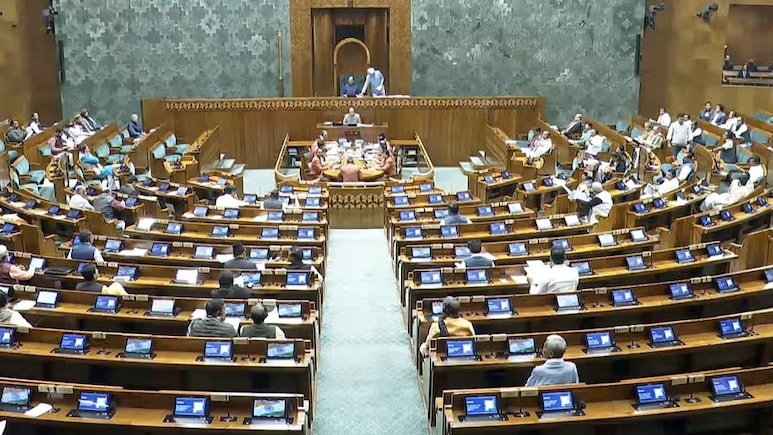
In a move that signals the most significant shift in India's democratic structure, the Union government has introduced the Delimitation Bill, 2026. This landmark legislation aims to end a 50-year freeze on the reallocation of parliamentary seats, potentially increasing the total strength of the Lok Sabha from 543 to approximately 850 members.
Under the Nari Shakti Vandan Adhiniyam, women's reservation is dependent on delimitation and the latest census. The Bill is a prerequisite for the implementation of the 33% Women's Reservation Bill, which is slated to take effect starting with the 2029 general elections. However, the proposal has already sparked intense debate over the shifting political balance between the northern and southern states.
The Blueprint for New Parliament
According to the Election Commission of India (ECI), delimitation is the process of fixing the limits or boundaries of territorial constituencies to ensure that every vote holds roughly equal value across the country.
Also Read | Layoffs Are Rising In Tech, But These Skills Are Helping People Unlock Better Pay
Key Provisions of the 2026 Bill:
- The proposal envisions a Lok Sabha composed of roughly 815 State MPs and 35 Union Territory (UT) MPs, ensuring the new Parliament building can accommodate the growing population's representation.
- Moving away from the long-standing 1971 Census data, the new boundaries will be determined by the most recent population data (citing 2011 and upcoming 2021/2026 metrics) to reflect modern demographic shifts.
- The process will be governed by a Delimitation Commission, likely chaired by a retired Supreme Court judge, ensuring that final boundaries are set independently of political interference.
The North-South Divide
The primary point of contention lies in the population-based nature of the redraw. Critics argue that southern states, which successfully implemented population control measures over the last five decades, may see their political influence diminished. Conversely, faster-growing northern states are expected to gain a significant number of new seats.
Rules of the Delimitation Commission
The Delimitation Bill establishes a Delimitation Commission with provisions similar to the last one constituted in 2011.
Under the constitutional framework, the orders issued by the Commission carry the force of law. Once these orders are finalized, they cannot be called into question or challenged before any court of law, ensuring that the process of redrawing constituency boundaries is protected from protracted legal battles that could stall democratic cycles.
The Commission's orders come into official effect on a specific date determined and announced by the President of India.
While copies of the final orders are laid before the House of the People (Lok Sabha) and the respective State Legislative Assemblies, these bodies serve only as recipients of the report.
Timeline to 2029
The Women's Reservation Act, planned for full integration in early 2026, necessitates the redrawing of constituency boundaries before the 2029 elections.
The Bill is expected to trigger a nationwide exercise starting this year. As the Commission begins its work, the 2026 Delimitation remains the most watched political development of the decade, promising to reshape the halls of power for the next generation.
Essential Business Intelligence, Sharp Market Insights, Practical Personal Finance Advice, Daily Fuel, Gold and Silver Prices and Latest Stories — On NDTV Profit.