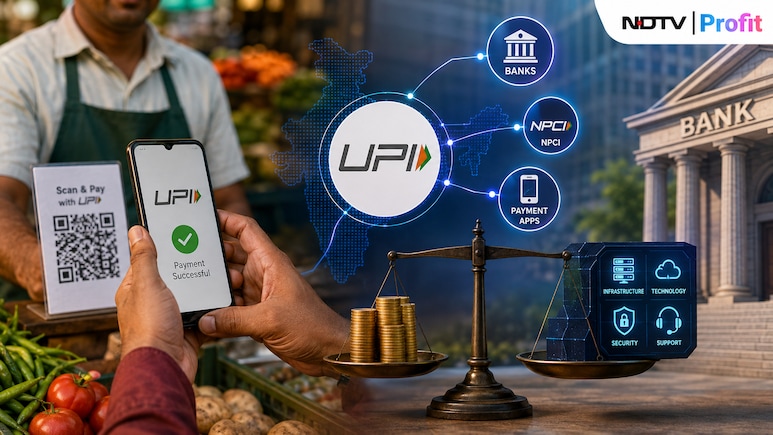
A Parliamentary Panel has recommended the expeditious introduction of a calibrated Merchant Discount Rate (MDR) on high-value merchant transactions to ensure the long-term financial sustainability of India's payments ecosystem and reduce the burden on the exchequer.
The Standing Committee on Finance, headed by BJP leader Bhartruhari Mahtab, made the recommendation in a report tabled in Parliament on Wednesday, PTI reported. The panel's proposal comes amid concerns over the growing gap between government support for zero-MDR transactions and the actual cost of operating India's digital payments infrastructure.
The Committee said the existing incentive mechanism to promote RuPay debit cards and low-value BHIM-UPI transactions places a significant burden on the government. It noted that the Centre has allocated Rs 2,000 crore to compensate for zero-MDR transactions, while the industry's estimated operational cost is around Rs 20,700 crore.
Also Read | Layoffs Are Rising In Tech, But These Skills Are Helping People Unlock Better Pay
ALSO READ | CPI At 4.45%, Core Stays Sticky; BofA Still Sees 50-Bp FY27 Rate Hikes Ahead
Why Is The Panel Seeking MDR On High-Value UPI Transactions?
The Committee said the gap between government support and the actual cost of running the digital payments infrastructure threatens the long-term sustainability of the ecosystem.
It recommended a self-reliant, tiered revenue mechanism under which higher-value merchant transactions could attract a calibrated MDR, while small merchants and person-to-person (P2P) transactions remain protected, PTI reported.
The report noted that legislative provisions enabling a tiered MDR structure have now been introduced. However, the Committee expressed concern that any delay in notifying and operationalising the framework could leave banks, payment service providers and other industry players dependent on inadequate government subsidies.
The panel warned that insufficient revenue could affect investments in critical areas such as cybersecurity, fraud prevention and payment network infrastructure.
"The Committee, therefore, reiterates the recommendation to expedite the implementation of a self-reliant, tiered revenue framework for higher-value merchant transactions while safeguarding small merchants and P2P transfers," the report said, according to PTI.
What Is The Government's UPI MDR Plan?
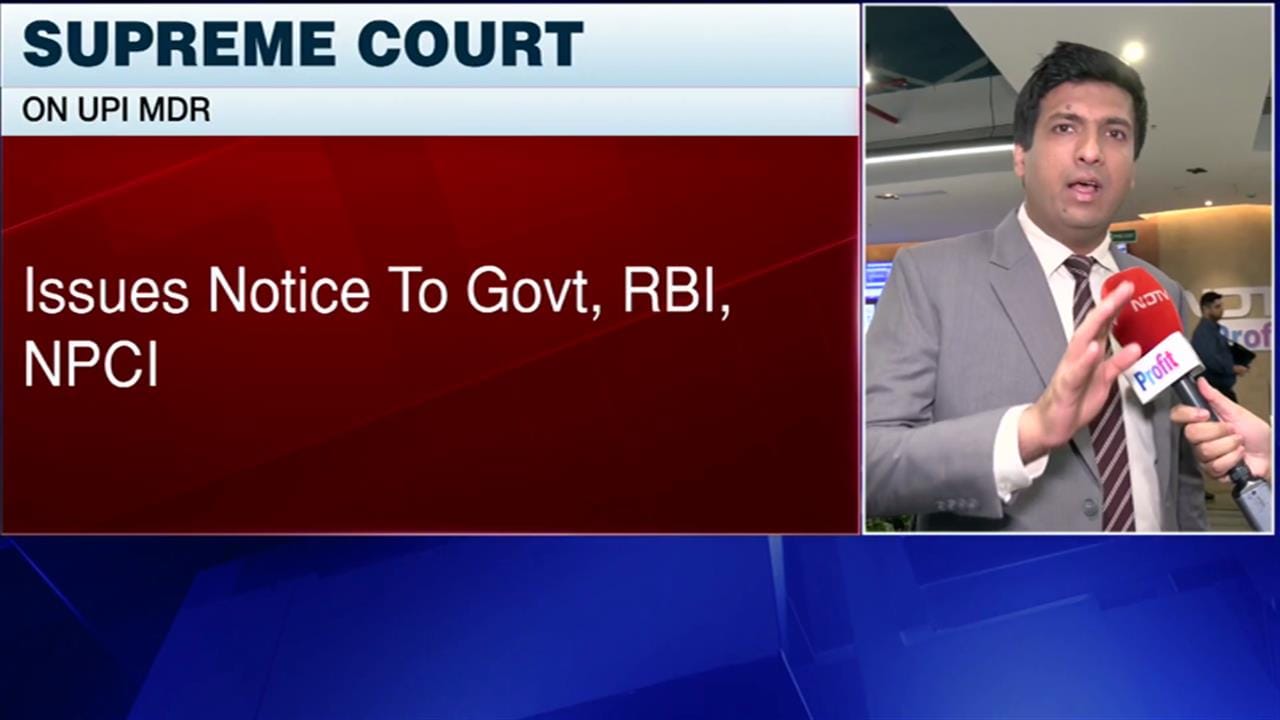
The recommendation comes days after Parliament passed a Bill amending the Payment and Settlement Systems Act, 2007, allowing the government to permit banks and other payment service providers to levy charges on UPI and other notified electronic payment modes.
The amendments remove the existing legal restriction that prevents banks and payment service providers from charging MDR on notified electronic payment modes. However, the government has not yet announced specific MDR rates, transaction thresholds or merchant categories for UPI.
The Department of Financial Services is examining options including restoring MDR for certain high-value transactions or merchants and introducing a tiered incentive structure that could gradually reduce government support for the digital payments ecosystem.
The proposed approach is intended to create a more sustainable revenue model for banks, payment service providers and payment infrastructure companies while limiting the impact on consumers and small businesses.
ALSO READ | July Retail Inflation Highest In 18 Months, Exceeds RBI Target For Second Month In Row
The amendment to Section 10A of the Payment and Settlement Systems Act, 2007, removes the existing restriction on imposing charges on specified electronic payments. Separately, Section 269SU of the Income Tax Act requires businesses with annual turnover exceeding Rs 50 crore to provide specified electronic payment facilities, including RuPay debit cards and BHIM-UPI QR codes.
The Parliamentary panel has now urged the government to move quickly on the tiered MDR framework, particularly for higher-value merchant transactions, while ensuring that small merchants and P2P transfers continue to have access to zero-cost digital payments.
(With PTI inputs.)
Essential Business Intelligence, Sharp Market Insights, Practical Personal Finance Advice, Daily Fuel, Gold and Silver Prices and Latest Stories — On NDTV Profit.