Amid ongoing conflict in the Middle East, brokerage firm Jefferies highlighted the impact of these tensions on India's chemical sector and the possibility of margin pressure from April onward.
In its recent note, Jefferies noted the country's dependence on the Middle East for key resources is disrupting supply chains with sectors such as fertilisers the most affected, followed by plastics, paints, adhesives, explosives, and consumer durables.
The brokerage estimates that crop protection players can safeguard export margins on cost pass-through in term contracts, but refgas players will see sharp input cost inflation imapcting margins. Additionally, companies with inventories bought in January or February benefit from inventory gains in the March quarter. However supply disruptions, feedstock unavailability, and margin pressures may impact their performance going forward if the conflict continues into the next month.
Also Read | Layoffs Are Rising In Tech, But These Skills Are Helping People Unlock Better Pay
A look at India's dependence on Middle East supplies
Methanol - 90%
India is currently dependent on imports for 90% of its methanol needs. Iran is the biggest supplier, followed by Saudi Arabia, Oman, and Qatar, which contribute nearly 95% of the country's annual imports. The Strait of Hormuz closure has impacted methanol availability, with prices in India up by about 65% in March. Methanol is primarily used to make products such as plastics, PET bottles, inks, dyes, adhesives, and industrial solvents.
Sulphur - 57%
India is one of the top importers of sulphur, with Qatar, UAE, Oman, Saudi Arabia, and Kuwait accounting for around 95% of the country's sulphur imports. It is used to produce phosphatic fertilisers (DAP), detergents, Ti02 used in paints, and in refrigerants.
The prices of sulphuric acid have surged by around 80% in March due to the impact on Middle East shipping. Sulphur inventories are expected to exhaust by mid-April. In case the Middle East conflict continues, production could be impacted, the note said. Hence, some companies have cut operating rates.
Ammonia-14%
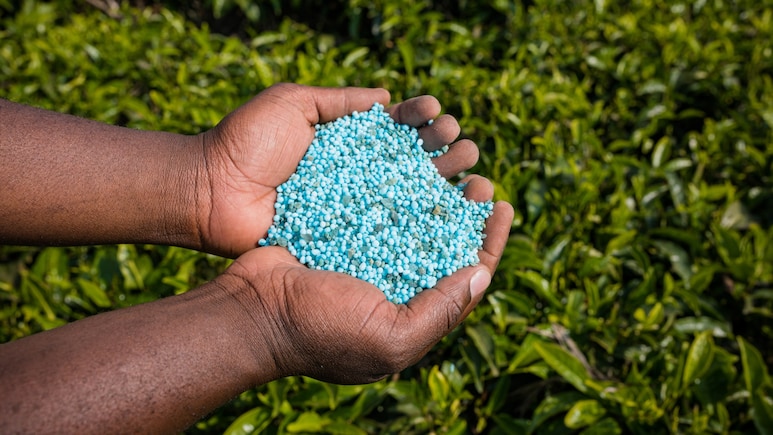
Ammonia is used for N-fertiliser production, synthetic fibres such as nylon, and industrial explosives, including ammonium nitrate. Currently, India imports nearly 2.5mmt ammonia every year, with Saudi Arabia, Bahrain, Indonesia, and Oman accounting for around 90% of total imports. With the ongoing conflict, Middle East Ammonia prices have increased by around 18% on a year-over-year basis in March.
Urea -17%
Urea is used as a fertiliser, and to make plywood, furniture and diesel exhaust treatment. Currently, India imports around 7-8mmt of urea every year from countries such as Oman, Russia, Qatar, UAE and Saudi Arabia.
VAM- 100%
VAM is a key ingredient in the paint industry, along with solvents that are mainly imported. Saudi Arabia is one of the major exporters, accounting for 30% of the India's imports. VAM prices rose around 25% in March.
Essential Business Intelligence, Sharp Market Insights, Practical Personal Finance Advice, Daily Fuel, Gold and Silver Prices and Latest Stories — On NDTV Profit.