The United Arab Emirates has announced it will exit the Organization of the Petroleum Exporting Countries (OPEC) and the broader OPEC+ grouping effective May 1, 2026, ending nearly six decades of membership and raising fresh questions over global oil market stability.
The move will cut OPEC's membership to 11 and, according to BBC, it will hit roughly 15% of its production capacity, marking one of the most significant structural shifts in the cartel in recent years.
The UAE government said the decision aligns with its long-term economic strategy and evolving energy ambitions, while its energy minister emphasised the need for “greater flexibility” beyond production quotas.
Also Read | Layoffs Are Rising In Tech, But These Skills Are Helping People Unlock Better Pay
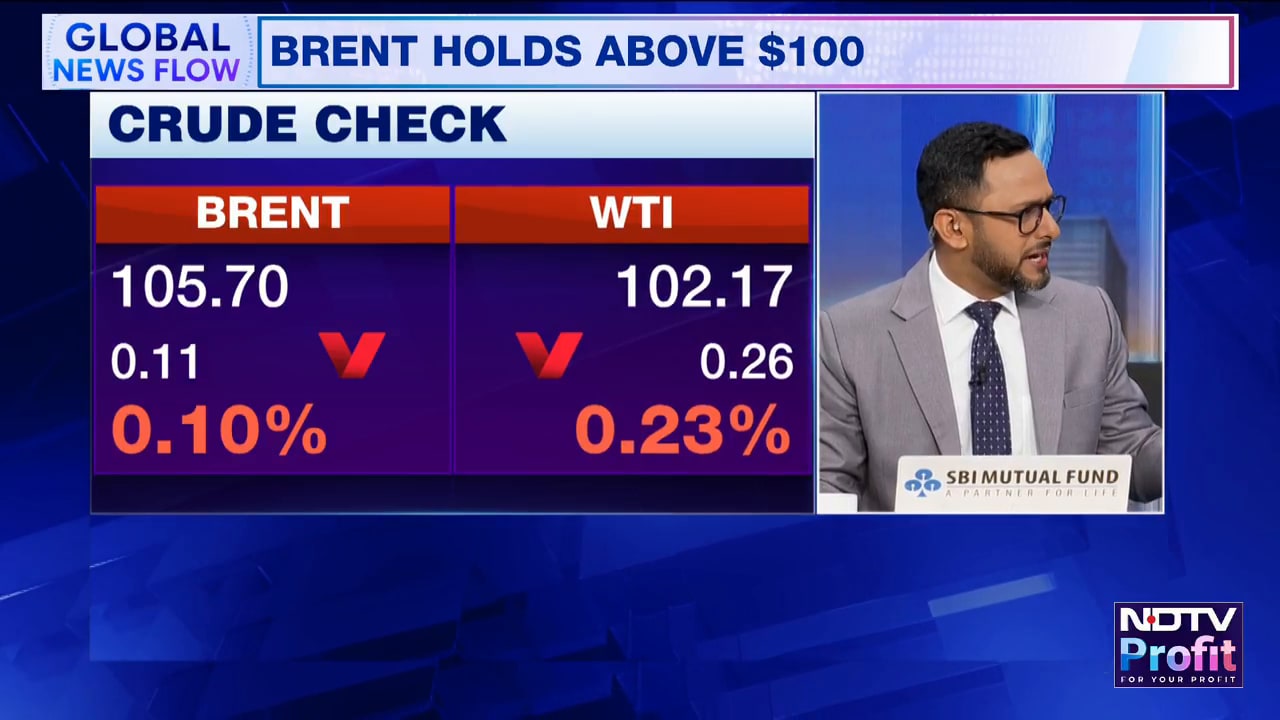
The announcement came on a day when oil prices stayed elevated, as stalled US-Iran talks raised cloud over the reopening of Hormuz. Brent crude futures, earlier on Tuesday, surged to a three-week high, with Brent crossing $112 per barrel amid rising uncertainty.
ALSO READ: UAE Quits OPEC, OPEC+ Amid Iran War-Triggered Blow To Oil Market
Analysts pointed to a mix of supply fears and geopolitical tensions, particularly the ongoing US-Iran standoff and disruptions in the Strait of Hormuz, a critical artery for global crude flows.
“Oil above $110 per barrel reflects a market that is rapidly repricing geopolitical risk,” said Jorge Leon of Rystad Energy, as quoted by Reuters.
Despite the headline shock, analysts caution that near-term price movements are being driven less by the UAE's exit and more by constrained flows through Hormuz.
Estimates suggest Gulf producers have already shut in significant output due to the crisis, limiting the immediate impact of any policy shift from Abu Dhabi.
However, the longer-term implications could be more profound. The UAE—OPEC's second-largest producer—has long pushed for higher output quotas in line with its expanding capacity, reportedly above 4 million barrels per day, with ADNOC targeting 5 million by 2027. Its departure removes a key pillar of cartel discipline and places added pressure on Saudi Arabia to steer supply strategy.
ALSO READ: UAE's War-Triggered WFH Set To End As Dubai Firms Want Employees Back In Office
Analysts said that the exit also raises questions about OPEC cohesion, already tested by earlier departures including Qatar in 2019 and Angola in 2023. A fragmented alliance could weaken coordinated production cuts that have historically supported prices.
For major importers like India, the immediate concern remains elevated crude prices and inflationary pressure. Over the medium term, however, a less coordinated OPEC—combined with potential output increases from the UAE once Hormuz stabilises, could ease supply constraints and benefit consumers.
The next moves from Saudi Arabia, Russia and other Gulf producers will be critical in determining whether this marks a temporary disruption or a deeper shift in the global oil order.
Essential Business Intelligence, Sharp Market Insights, Practical Personal Finance Advice, Daily Fuel, Gold and Silver Prices and Latest Stories — On NDTV Profit.