India's urea manufacturing sector is staring at margin pressure in Q1 FY27 as disruptions in liquefied-natural-gas supplies triggered by the ongoing West Asia war begin to ripple through the fertiliser value chain.
Analysts estimate that the Ebitda of urea companies could decline by nearly 15%, primarily due to reduced volumes and lower operating efficiencies. Accounting for nearly 80% of the raw material cost, LNG is indispensable in the urea manufacturing process. Any disruption in its supply has a direct and immediate impact on output levels.
According to industry reports, several urea plants in India are currently operating at nearly half their capacity. This sharp drop in utilisation comes after disruptions in LNG supply chains, with some suppliers invoking force majeure amid escalating geopolitical tensions in the Middle East.
Also Read | Layoffs Are Rising In Tech, But These Skills Are Helping People Unlock Better Pay
Lower plant utilisation has a cascading impact. Urea manufacturing is a highly energy-intensive and efficiency-driven process, where optimal capacity utilisation is key to maintaining margins. When plants run below capacity, fixed costs per unit rise significantly, eroding profitability.
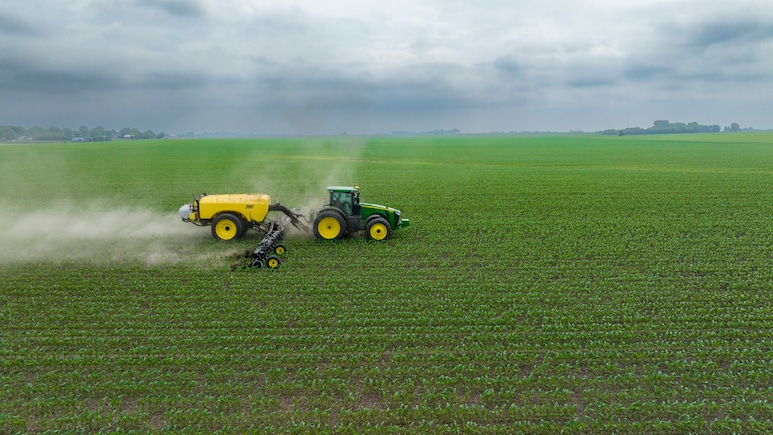
Urea plays an important role in India's agricultural ecosystem. Nearly 99% of urea produced and consumed in the country is used as fertiliser, making it essential for crop productivity and food security.
India's annual urea requirement stands at approximately 37-39 million tonnes. Of this, around 29-30 million tonnes are produced domestically, while 7-8 million tonnes are imported from countries such as Oman and Russia, as per Prashant Biyani, vice president of institutional equity research at Elara Securities.
India requires roughly 13 million tonnes of LNG annually to support its urea and fertiliser production. However, domestic production of LNG meets less than 20% of this requirement, making the country heavily reliant on imports.
The Middle East accounts for nearly 50% of India's LNG imports, making it a critical supplier. The rest is sourced from countries like the United States and other global producers.
Recognising the strategic importance of urea, the government has stepped in to mitigate the impact of the crisis. Officials are actively exploring alternative sourcing options and increasing LNG procurement through spot purchases to bridge the supply gap.
At the same time, the government continues to shield farmers from price volatility. The maximum retail price of urea has been fixed at Rs 242 per 45 kg bag since 2018 and any increase in production cost is absorbed through subsidies.
In the near term, the urea sector is likely to face continued headwinds as LNG supply disruptions persist. Lower production levels, higher input costs and fixed selling prices create a challenging operating environment for manufacturers.
For now, the sector remains at the mercy of global energy markets and geopolitical developments, with the Middle East crisis serving as a stark reminder of the risks embedded in critical supply chains.
Essential Business Intelligence, Sharp Market Insights, Practical Personal Finance Advice, Daily Fuel, Gold and Silver Prices and Latest Stories — On NDTV Profit.