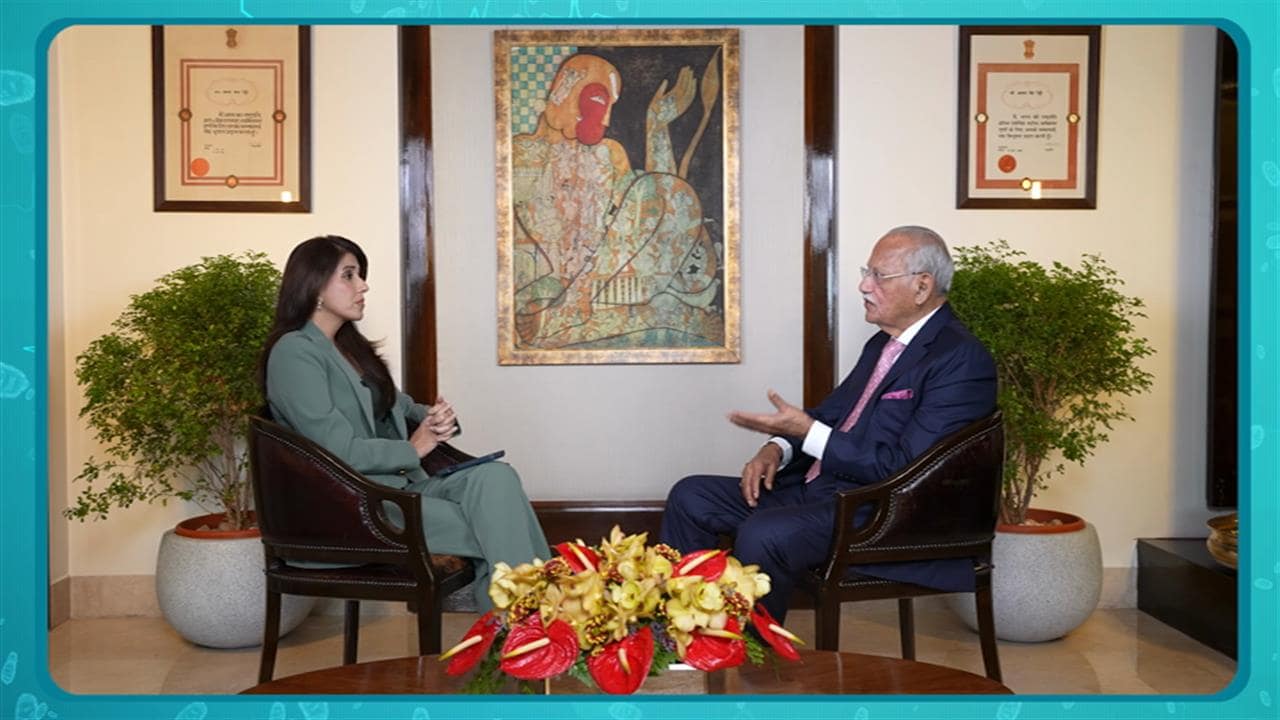
The estimated shadow economic value of unpaid labour is 15–17% of the gross domestic product as compared to 13% that manufacturing contributes to the GDP, according to Mitali Nikore, founder of Nikore Associates.
In order to offset this issue, efforts should be made to create a care economy instead of only focusing on paying women, Nikore told NDTV Profit on the Breaking Glass Ceilings panel on the eve of the International Women's Day.
The economist recommended investment in more childcare services, more elderly care services and services for long-term care for highly dependent adults, as well as creating more professional cadres of domestic workers. This involves making sure domestic workers are paid to match the value of the labour they provide and have working conditions that also reflect the same.
Also Read | Layoffs Are Rising In Tech, But These Skills Are Helping People Unlock Better Pay
This should be done through a combination of investments from the government, private sector entities, corporate social responsibility and community based organisations, she added.
Labour Participation, Wage Equality
There are two aspects to examine when trying to increase the female labour-force participation rate.
The first aspect is related to tackling supply-side barriers, such as fairly compensating those engaged in unpaid care work, reducing mobility restrictions for women and creating safer public and work spaces, Nikore said.
The other aspect is that there is a clear occupational segregation in sectors like logistics, renewable energy and manufacturing, Nikore said. "In high growth and high-employment sectors, women are still relegated to administrative and operational roles and not getting technical skill and knowledge."
She underscored that the jobs that were most at risk of being automated were ones which were administrative, repetitive and belonging to call centres. Nikore said women need to look at themselves as entrepreneurs in their own jobs in order to combat this issue and aspire to have a career, instead of seeing a job simply as a work-for-pay arrangement.
She also advocates for bridging the digital divide of gender. "If we can't have women being digital natives, how are they going to take the jobs of the future?," Nikore said.
In order to solve the gender pay gap, the Union government should adopt an ecosystem approach where women are supported at every stage in the career journey whether it may be in the corporate, medium and small enterprises and the startup space while also passing equal pay legislation, according to Nikore.
Essential Business Intelligence, Sharp Market Insights, Practical Personal Finance Advice, Daily Fuel, Gold and Silver Prices and Latest Stories — On NDTV Profit.