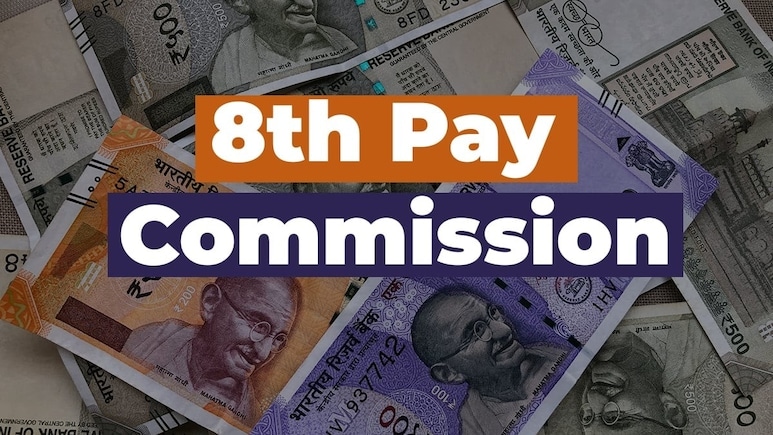
The Eighth Pay Commission could support India's discretionary consumption in FY28 as higher salaries for central government employees and accumulated arrears add to household spending power, according to Jefferies. The brokerage also expects stronger revenue growth in FY27 to support hiring and consumption, while a weak monsoon and the fading impact of goods and services tax (GST) benefits could weigh on the outlook.
The potential boost will depend on when the government implements the commission's recommendations and pays any arrears. Although January 1, 2026, would normally be expected as the effective date under the usual ten-year pay revision cycle, the government has not confirmed the date or the implementation schedule.
Pay Commission
The government announced the formation of the Eighth Central Pay Commission in January 2025 to review salaries and other benefits for central government employees. The Union Cabinet approved its terms of reference on October 28, 2025, setting out the factors the commission must consider while making its recommendations.
Also Read | Layoffs Are Rising In Tech, But These Skills Are Helping People Unlock Better Pay
The commission is a temporary body comprising a chairperson, a part-time member and a member-secretary. It has 18 months from the date of its constitution to submit its recommendations and may issue interim reports on individual matters as they are finalised.
Its mandate requires it to consider the country's economic conditions and the need for fiscal prudence, while ensuring that sufficient resources remain available for development spending and welfare measures. It must also assess the cost of non-contributory pension schemes, the likely impact on state government finances and pay structures and working conditions in central public sector undertakings and private companies.
Spending Impact
The key consumption channel is the potential increase in disposable income when revised salaries and arrears reach employees. If the recommendations are applied retrospectively from January 2026, eligible employees could receive arrears covering the period between the effective date and implementation. The additional payments could support discretionary purchases, although the timing and size of the impact remain uncertain until the government decides on the recommendations.
Jefferies' FY28 outlook also comes against a mixed near-term backdrop. The brokerage expects higher revenue growth in FY27 to support hiring and consumption, but identified a weak monsoon and GST-related benefits entering the comparison base from October 2026 as potential headwinds.
The timing of the pay revision will be important in determining when any additional spending reaches the economy. The commission's recommendations are due within 18 months of its constitution, after which the government will decide on their implementation.
Essential Business Intelligence, Sharp Market Insights, Practical Personal Finance Advice, Daily Fuel, Gold and Silver Prices and Latest Stories — On NDTV Profit.