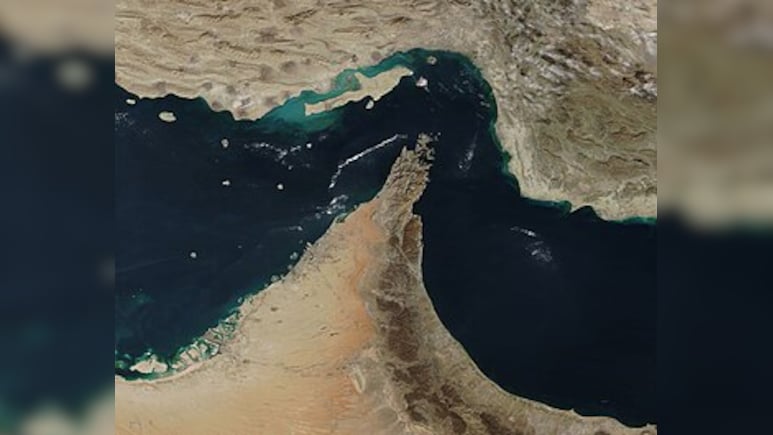
India could face renewed economic pressure as crude oil prices surge past $100 per barrel amid tensions in West Asia and disruptions in the Strait of Hormuz, according to a report by Union Bank of India.
In a note titled “From Hormuz to the Rupee: War, Oil and the Global Repricing of Risk,” the bank warned that the situation “does not bode well for global or domestic macros and markets,” pointing to the Strait remaining “still functionally shut and Brent trading above $100/bbl".
The report highlighted that elevated crude prices could fuel inflation, weaken the rupee, and widen India's current account deficit. It added that persistent high oil prices tend to “keep inflation risk alive, delay central-bank easing, pressure current accounts, tighten financial conditions, and weigh on risk assets, especially in energy-importing economies.”
For India — where nearly 85% of crude demand is met through imports — the impact is already becoming visible. The bank noted that escalation in the Iran-Israel conflict has disrupted oil flows through the Strait of Hormuz, pushing prices higher and effectively creating what it described as an “energy tax” on the economy.
This has translated into market stress, with the rupee sliding to record lows near 95 against the US dollar and equities correcting amid concerns over a widening current account deficit and imported inflation, the report said.
The Reserve Bank of India, the report added, has taken steps to stabilise financial markets as volatility rises.
ALSO READ: Gig Workers' Body Urges Govt To Mandate Heatwave Protections
Essential Business Intelligence, Continuous LIVE TV, Sharp Market Insights, Practical Personal Finance Advice and Latest Stories — On NDTV Profit.