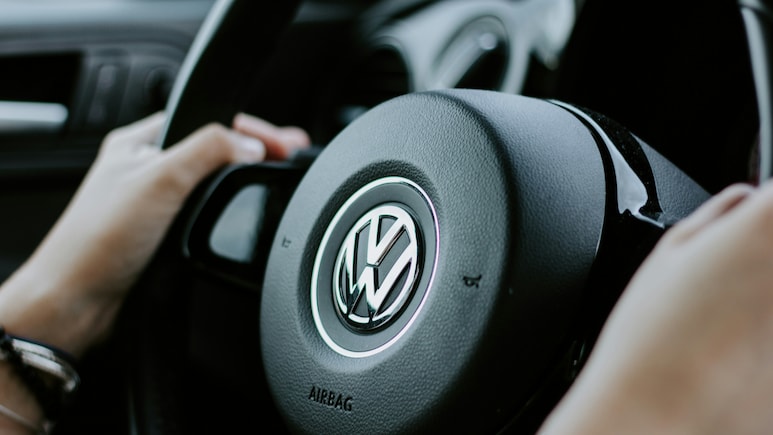
- Volkswagen's board approved a plan to cut 100,000 jobs by 2030 globally
- Job cuts double previous plans, affecting management and factory positions
- Four German plants face uncertain futures with no guarantee of continuation
Volkswagen's supervisory board has unanimously signed off on a sweeping restructuring plan that will eliminate 100,000 jobs by 2030.
This would double an earlier round of cuts as Europe's biggest carmaker grapples with US tariffs, slowing electric vehicle demand and fierce Chinese competition.
Under the newly approved "Future Plan 2030," a further 50,000 positions, including management roles, will be axed, adding to the 50,000 job losses already agreed.
Also Read | Layoffs Are Rising In Tech, But These Skills Are Helping People Unlock Better Pay
The reductions amount to roughly 15% of the group's global workforce and mark the automotive industry's largest-ever restructuring exercise, the company said in a statement.
CEO Oliver Blume called the board's approval "a strong signal for the future of the Volkswagen Group," adding that the company would invest a three-figure billion sum over the coming years to make its core brands "more attractive, stronger and more competitive."
"We are taking responsibility for our entire team, for our partners and for industrial jobs worldwide," he said.
Uncertain Future
Four German plants, in Hannover, Emden, Zwickau and Neckarsulm, face an uncertain future beyond 2030, with management and unions unable to guarantee their continuation under the plan. Any closure would be unprecedented for Volkswagen, which has never shut a full-scale factory on home soil.
The overhaul targets an operating margin of 9% and annual sales of nine million vehicles by 2030, alongside a roughly 50% reduction in Volkswagen's model range and a 75% cut to product complexity by 2035. The company also noted that its production capacity currently exceeds demand by more than 500,000 units.
ALSO READ: Volkswagen May Cut Up To 100,000 Jobs Amid Rising Costs And China Competition
Long-term viability and competitiveness
Supervisory board chairman Hans Dieter Pötsch said the approved plan would secure the group's "long-term viability and competitiveness," while IG Metall's Christiane Benner said the board and management were "facing the enormous challenges together."
Group works council chief Daniela Cavallo struck a cautionary note, saying the transformation "is a necessity" but stressed that "job security and economic viability carry equal weight as shared corporate goals" and must not fall solely on employees.
Lower Saxony Minister-President Olaf Lies, whose state holds a stake in Volkswagen, said the government would need to support the sector with a competitive policy framework as the transformation proceeds.
ALSO READ: Volkswagen's Rs 11,500 Crore Tax Battle Is Back In Court; Case To Be Re-Argued From Scratch
Essential Business Intelligence, Sharp Market Insights, Practical Personal Finance Advice, Daily Fuel, Gold and Silver Prices and Latest Stories — On NDTV Profit.