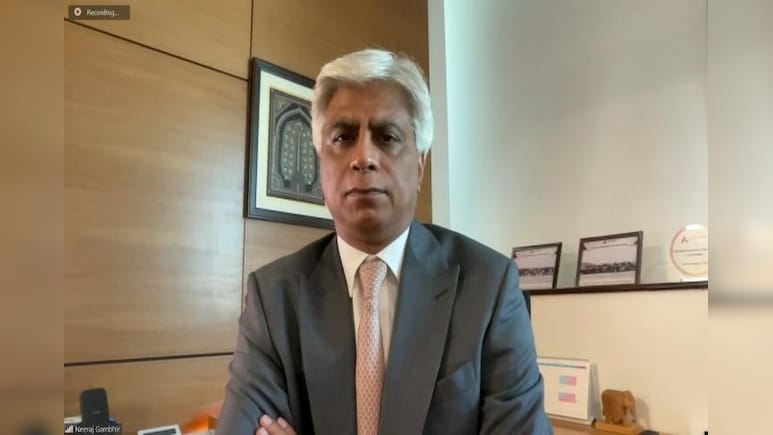
Indian lenders are struggling to convince equity-loving investors to save their money in deposits. Veteran banker Neeraj Gambhir says it would be helpful if banks had more options to raise funds.
India's financialization boom has fueled a culture of investing, with many savers opting for stocks instead of keeping money in banks. That shift, along with strong demand for loans, has created a funding challenge for banks, driving the sector's credit-deposit ratio to a record last month and leading them to ask regulators to relax liquidity rules.
The monetary authority could consider allowing banks to sell plain vanilla bonds with shorter tenures, longer-dated money market instruments, and offer market-linked deposits said Gambhir, executive director at Axis Bank Ltd., India's third largest private lender. Such tools would give banks alternatives to shore up funds to offset slowing deposit growth, he said.
Also Read | Layoffs Are Rising In Tech, But These Skills Are Helping People Unlock Better Pay
“Since savings are increasingly flowing into non-bank vehicles — mutual funds, insurance companies, alternative investment funds — which then invest in bond markets, banks must access those pools of capital more effectively,” Gambhir said, speaking in an interview.
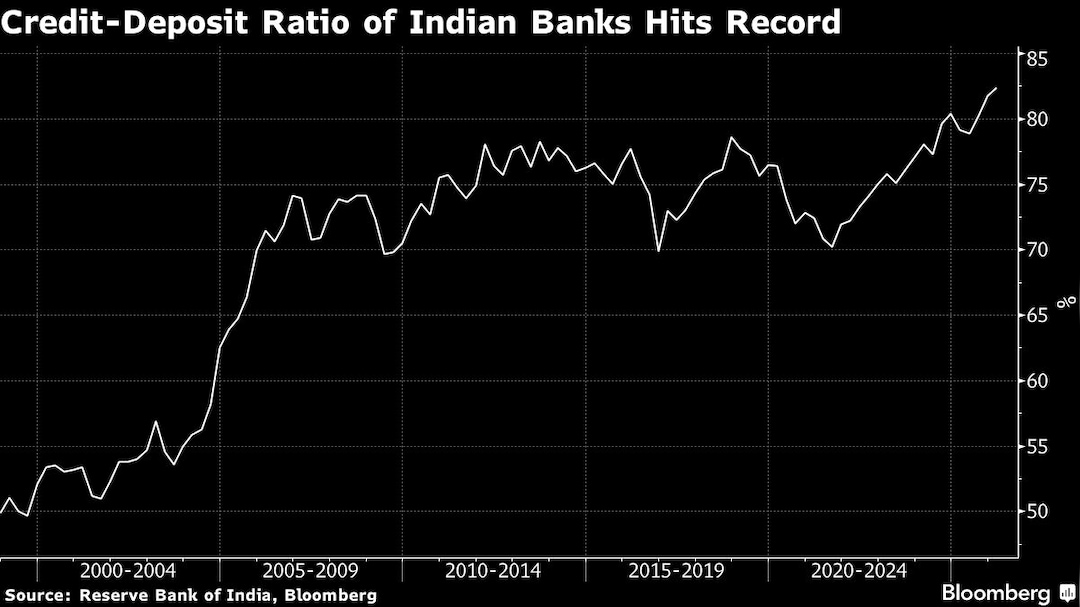
Indian banks have in recent months been reliant on short-term certificates of deposits to fund credit growth. A rush to sell them this year pushed rates on CDs over 7% in January, a near 10-month high, and drove outstanding CD debt to a record of 6.6 trillion rupees ($71.4 billion) in February.
Gambhir said allowing banks to sell a broader range of debt securities, such as three- or five-year vanilla bonds, “would deepen the market and diversify funding.”
ALSO READ: Is Rs 1 Crore Still Enough to Retire? Here's How Long It Lasts Depending On Where You Invest
Instruments geared more toward medium-term funding needs could help fill the gap between CDs, which are capped at one-year maturities, and the bonds banks currently have at their disposal. Alternatives could also help lenders appeal to a wider pool of buyers.
Currently, banks in India can mainly issue three types of bonds: longer-tenure notes to fund infrastructure and affordable housing, perpetual bonds known as Additional Tier I bonds, and Tier II bonds, which have a minimum maturity of five years. The latter two are the only types that qualify as capital for the lender, though investors consider them risky as they can be written off in times of crisis.
ALSO READ: Fixed Deposit Laddering Strategy: How It Can Help You Earn Better Returns And Ensure Liquidity
In addition to plain vanilla bonds, Gambhir suggested permitting longer-dated money market instruments, arguing they would smooth maturity concentrations and reduce rollover risk. Regulators could also consider market-linked deposits, which may appeal to some high-net-worth investors, but would require banks to hedge risks, he said.
Essential Business Intelligence, Sharp Market Insights, Practical Personal Finance Advice, Daily Fuel, Gold and Silver Prices and Latest Stories — On NDTV Profit.