- US plans tariffs up to 200% on imported generic medicines from August 2028
- India supplies about 40% of generic medicines consumed in the US market
- Indian pharma exports worth $9.7 billion could face pressure from tariffs
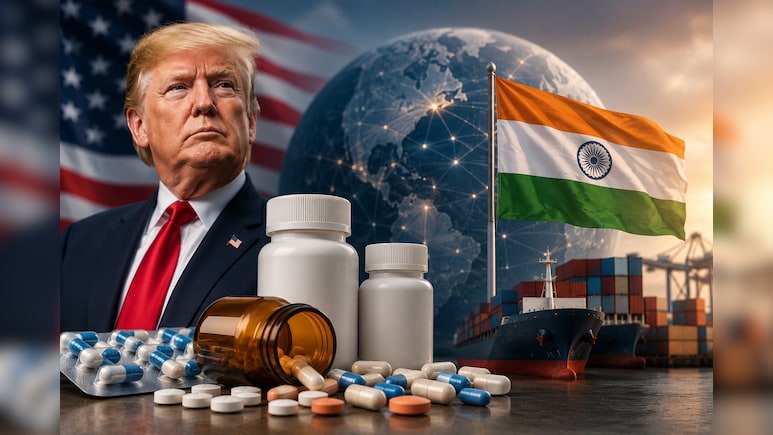
US President Donald Trump's proposal to impose tariffs of up to 200% on imported generic medicines has sparked concerns across the global pharmaceutical industry, with India emerging as one of the countries most exposed to the move.
The proposed policy provides a transition period until August 2028, after which imported generic drugs would face a 100% tariff for one year before the duty rises to 200%. The objective is to encourage drugmakers to relocate manufacturing to the United States.
ALSO READ: India Placed In Lower US Tariff Tier At 10%
Also Read | Layoffs Are Rising In Tech, But These Skills Are Helping People Unlock Better Pay
The US is India's largest pharmaceutical export market, accounting for nearly one-third of the country's drug exports. Indian companies supply roughly 40% of the generic medicines consumed in the US, making the proposed tariffs a significant development for firms such as Sun Pharma, Dr Reddy's Laboratories, Cipla, Lupin, Aurobindo Pharma and Zydus Lifesciences.
According to reports, industry estimates suggest Indian pharmaceutical exports worth about $9.7 billion could eventually come under pressure if the proposal is implemented in its current form.
However, the immediate impact is expected to be limited. The proposed implementation timeline gives manufacturers two years to reassess supply chains, expand US manufacturing where feasible and renegotiate commercial arrangements. Several large Indian drugmakers already operate manufacturing facilities in the US, which could help cushion the impact, a Reuters report said.
Analysts also note that shifting generic drug manufacturing entirely to the US may prove challenging.
Generic medicines operate on thin profit margins, and the US healthcare system depends heavily on low-cost imports to keep drug prices affordable.
A steep tariff could increase medicine costs for American consumers and potentially create supply shortages if production cannot be relocated quickly.
While the proposal creates long-term uncertainty, many experts believe India's scale, manufacturing expertise and established regulatory track record will continue to make it a key supplier to the US pharmaceutical market, even if companies gradually diversify production footprints.
Essential Business Intelligence, Sharp Market Insights, Practical Personal Finance Advice, Daily Fuel, Gold and Silver Prices and Latest Stories — On NDTV Profit.