RIL, SBI Sign Pact to Set Up Payments Bank Joint Venture
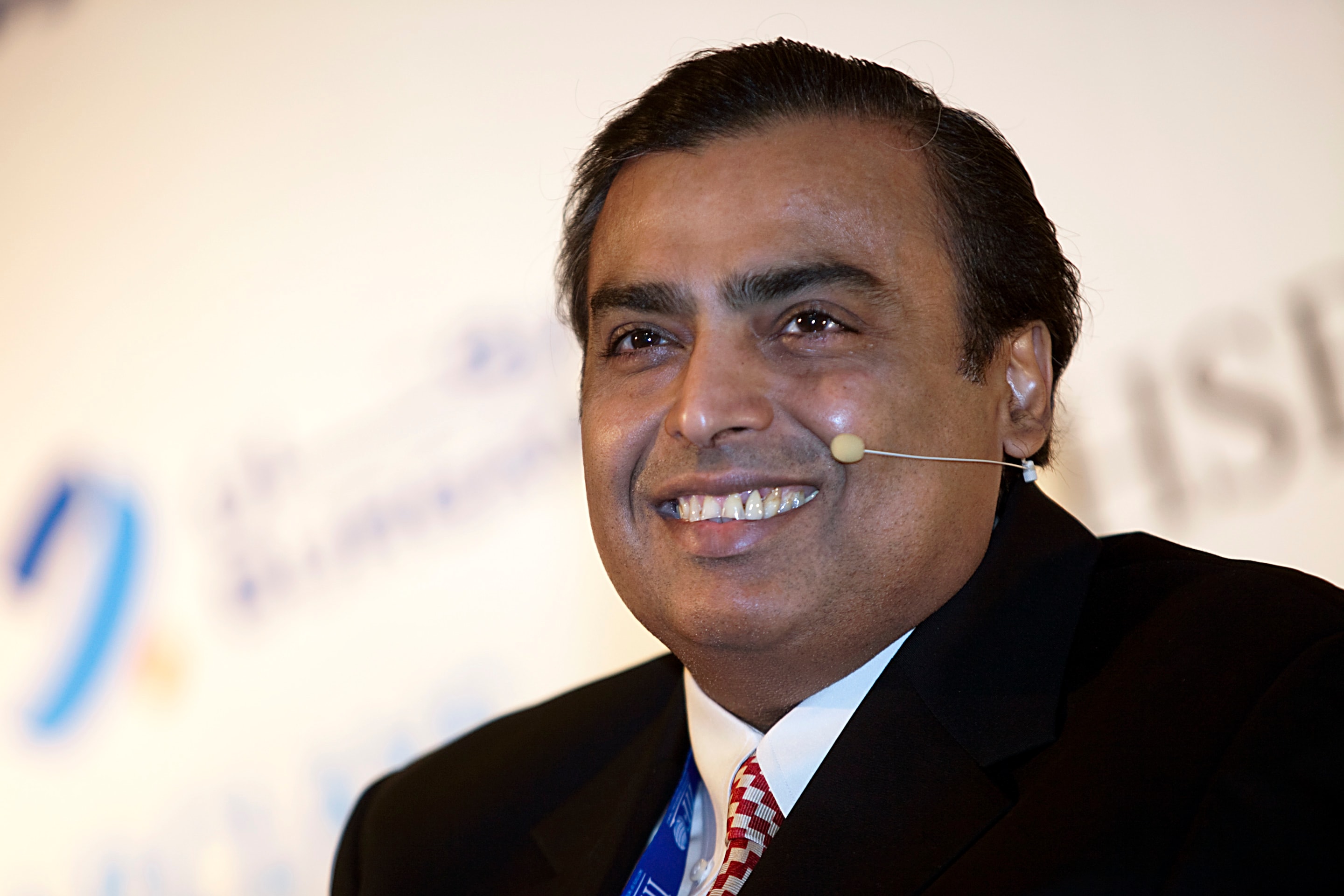
Energy-to-telecom conglomerate Reliance Industries Ltd and India's largest lender SBI have signed shareholders agreements to set up small deposit-taking institutions, called payments bank.
RIL-SBI combine was among the 11 entities that, in August last year, were given licences by the Reserve Bank of India (RBI) to start a payments bank. Two of these – Cholamandalam Investment and Finance Co and grouping of Sun Pharma promoter Dilip Shangvi, IDFC Bank and telecom operator Telenor decided to shelve plans of launching payments bank.
“The Subscription and Shareholders' Agreement was signed by RIL as promoter with a 70 percent equity contribution and SBI as joint venture with a 30 percent equity contribution on June 30, 2016,” the Mukesh Ambani-run firm said in a stock exchange filing.
Payments banks can accept deposits (initially up to Rs 1 lakh per individual), offer internet banking, facilitate money transfers and sell insurance and mutual funds by piggy-backing on existing retail or other networks.
Besides, they can issue ATM debit cards, but not credit cards.However, they are not allowed to lend. Instead, they must invest 75 percent of deposits in short-term government bonds and provide a physical network of access points, one quarter of which must be in rural areas.
“By combining RIL's technology, last mile reach and distribution through RIL's telecom and retail initiatives and SBI banking expertise in offering financial services to millions of retails customers and small enterprises across the country,” the filing said.
Mobile phone carriers, retailers and prepaid payment card issuers are among those who have been granted payment bank license last year. Airtel M Commerce Services Ltd, Aditya Birla Nuvo, Vodafone m-pesa, Tech Mahindra and Department of Posts are among those who won RBI approval to set up such niche banks.
Source: PTI
-
Unhedged Position: Can India See An Indonesia-Style Time Correction?

The Nifty is trading below levels it first clocked in 2024. Is there, then, as I have suggested in the headline, potential that the current time correction drags on painfully for the next three-five, even ten years?
-
Navigating Friction And Energy Realities: An Analysis Of Marco Rubio's October Visit To India
Occurring at a critical juncture marked by stalled trade negotiations and escalating geopolitical pressures over global energy supplies, the visit offers a profound window into modern US-India relations.
-
India Exports Capital. Why Not Export Trusteeship?
The big question, then, is whether India can build an institution that global borrowers, investors, banks, and lawyers can trust, even without an Indian connection.
-
France's Economy & Politics Are In Crisis | The Reason Why
Let's look at how the French economy and politics evolved under Nicolas Sarkozy, Franois Hollande and Emmanuel Macron.
-
You May Inherit The Business. You Must Earn Its Credibility.
Succession tests the founder's ability to share authority as much as it tests the next generation's readiness to assume it.
-
Signing Deals Is One Thing; Making Them Work Is Another | The Week In Whys
Sometimes, things don't turn out as planned. Indian companies have lost some bids to rivals, some projects won't produce until 2030.
-
FOMC Wall, PERM Suspension, Hospital Stocks | Talking Points This Week
A PERM suspension would directly affect green-card sponsorship rather than H-1B visas, so the near-term earnings impact could remain relatively limited. The key question is whether this marks a new phase in US scrutiny of Indian IT.
-
Everything, Everywhere, All At Once: Dalal Street's Week To Forget | Joining The Dots
Visa curbs, a Starlink spat and cancer drug caps: what connects this week's shocks for Indian markets
-
India Is Going Abroad For Critical Minerals. But It May Take Years To Pay Off | The Reason Why
Although India's steps are in the right direction, they remain modest compared with India's growing dependence.
-
When Everyone Has AI, What Gives You An Edge?
India's young workforce is entering an uncertain world of work where powerful AI tools are becoming widely accessible. The advantage will belong to those who combine deep expertise with digital fluency, and the distinctly human capabilities that technology cannot manufacture.