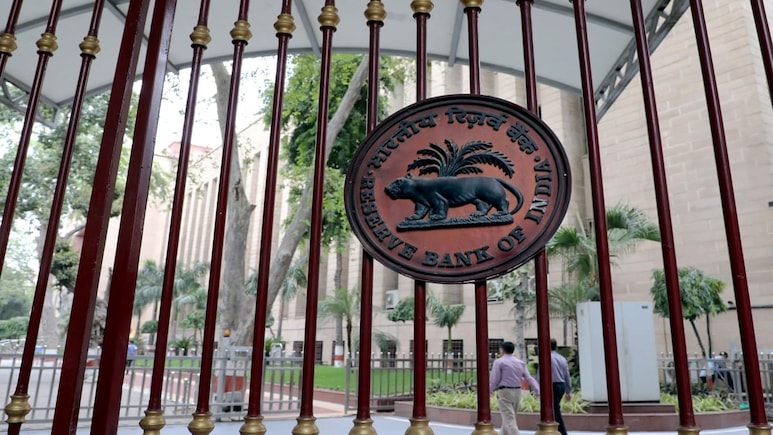
The Reserve Bank of India may be preparing to shift gears on interest rates as inflationary pressures, global risks and rupee weakness complicate the economic outlook, according to SBI Research.
In its latest report ahead of the Monetary Policy Committee's October 5-7 meeting, SBI Research said the balance of risks has tilted decisively towards a 25-basis-point rate hike, arguing that waiting could leave policymakers reacting to risks that are already building.
The report pointed to a combination of broadening inflation, worsening global macroeconomic conditions, changing liquidity dynamics and renewed repricing of risks across financial markets.
Also Read | Layoffs Are Rising In Tech, But These Skills Are Helping People Unlock Better Pay
ALSO READ: RBI Appoints Sudhakar Malli As Executive Director
India's retail inflation rose to 4.82% in August 2026, from 4.45% in July. SBI Research said price pressures are becoming more broad-based, with a larger number of commodities contributing significantly to overall inflation.
The research house expects inflation to rise further in the coming months. It projects CPI inflation at around 5.65% in September, with inflation potentially crossing 6.5% in October and November before easing below 6% in early 2027. The report also flagged the possibility of higher crude prices feeding into domestic inflation and affecting fiscal dynamics.
The rupee is another key concern. SBI Research said the currency has come under sustained pressure from foreign portfolio outflows, demand from oil marketing companies and corporates, as well as foreign banks.
The report said the rupee's movement and the RBI's ability to counter speculative pressures could become an important test for policymakers. It also expects bond yields to move higher amid the changing global interest-rate environment.
SBI Research highlighted the recent rate actions of major central banks, noting that several economies have either raised rates or maintained a cautious stance amid inflation risks.
It pointed to elevated US Treasury yields and rising concerns around energy-driven inflation and high public debt as factors that could further tighten global financial conditions.
Against this backdrop, the report argued that India may need to act pre-emptively rather than wait for external pressures to intensify.
The report also raised concerns about the 2026 monsoon, which it described as the fourth-driest since 2000, with rainfall at 87% of the long-period average.
SBI Research highlighted deficient rainfall in Punjab and Bihar and the drought declaration covering 265 talukas in Maharashtra. It warned that weak rainfall and strong El Niño conditions could affect Rabi output and create additional food-inflation risks.
ALSO READ: Govt Considers Lowering Import Tariffs On Pulses To Tame Food Inflation: Report
Despite these concerns, the report noted that Kharif sowing was only 1.2% below last year's level, offering some cushion to food supplies.
SBI Research also argued that headline liquidity numbers may not fully reflect the amount of liquidity actually available for credit creation. Regulatory requirements such as CRR, SLR and LCR, along with the impact of UPI and Sparsh, could constrain the banking system's ability to convert deposit growth into credit.
The research house expects RBI to raise its FY27 GDP growth forecast by 30 basis points and its inflation forecast by 20 basis points.
Essential Business Intelligence, Sharp Market Insights, Practical Personal Finance Advice, Daily Fuel, Gold and Silver Prices and Latest Stories — On NDTV Profit.