- The government plans to reduce import duties on select pulses to boost supply and ease prices
- Tariffs on lentils and yellow peas may be cut, but chickpeas could remain unaffected
- India imposes 10% duty on red lentils and chickpeas, 30% on yellow peas currently
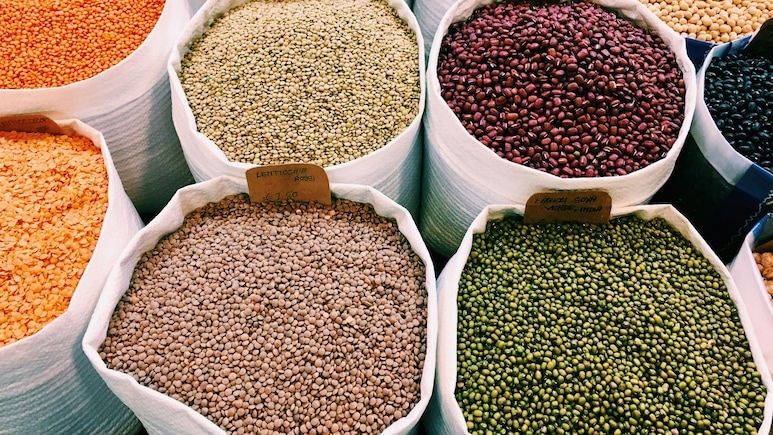
The government is considering lowering import duties on some selected pulses to bolster supplies and ease food-price pressures, as an erratic monsoon has fueled concerns about the size of this year's harvest, according to two government officials and an industry source cited by Reuters.
The industry source said the government may limit the tariff reduction to lentils and yellow peas, leaving chickpeas unaffected by the proposed changes.
ALSO READ : 'Cannot Take High Growth For Granted': DEA Flags El Nino, Crude Oil Shock And Employment Risks
Also Read | Layoffs Are Rising In Tech, But These Skills Are Helping People Unlock Better Pay
India currently levies a 10% import duty on red lentils and chickpeas, while yellow peas attract a 30% tariff.
The government has already permitted duty-free imports of pigeon peas and black gram through the end of the current financial year in March 2027.
India is the world's largest producer, consumer and importer of pulses, but domestic production has not been sufficient to meet demand.
According to Reuters, In 2024-25, India relied on overseas purchases for nearly a quarter of its pulse consumption, with domestic production at 25.7 million tonnes and imports totaling 7.3 million tonnes, Reuters reported.
Australia, Canada, Russia, Myanmar and several African countries are among India's key pulse suppliers.
The latest proposal comes amid concerns that domestic pulse output could weaken this year after rainfall during the June-September monsoon was as much as 30% below normal in some major producing states.
Pulses are largely cultivated in rain-fed regions, making production particularly sensitive to variations in monsoon rainfall.
The government may, however, retain import duties on chickpeas to encourage farmers to expand the area under cultivation. Farmers are expected to begin planting the crop in October.
ALSO READ : Cabinet To Weigh Rabi Crop MSP Hike; Rs 54,000-Crore Green Corridor On Agenda: Sources
Demand for pulses typically increases during India's festive season, particularly for chickpeas, as households, food processors and millers build inventories ahead of major festivals.
The potential tariff reduction is part of the government's broader efforts to manage food prices.
Prime Minister Narendra Modi's government has previously reduced import duties on edible oils and adjusted sugar export policies to increase domestic availability and moderate prices.
Food inflation has been rising since December and reached 5.95% in August. Pulse prices have also remained elevated, with inflation in pigeon peas at 5.6% and black gram at 7.4% year-on-year.
Essential Business Intelligence, Sharp Market Insights, Practical Personal Finance Advice, Daily Fuel, Gold and Silver Prices and Latest Stories — On NDTV Profit.