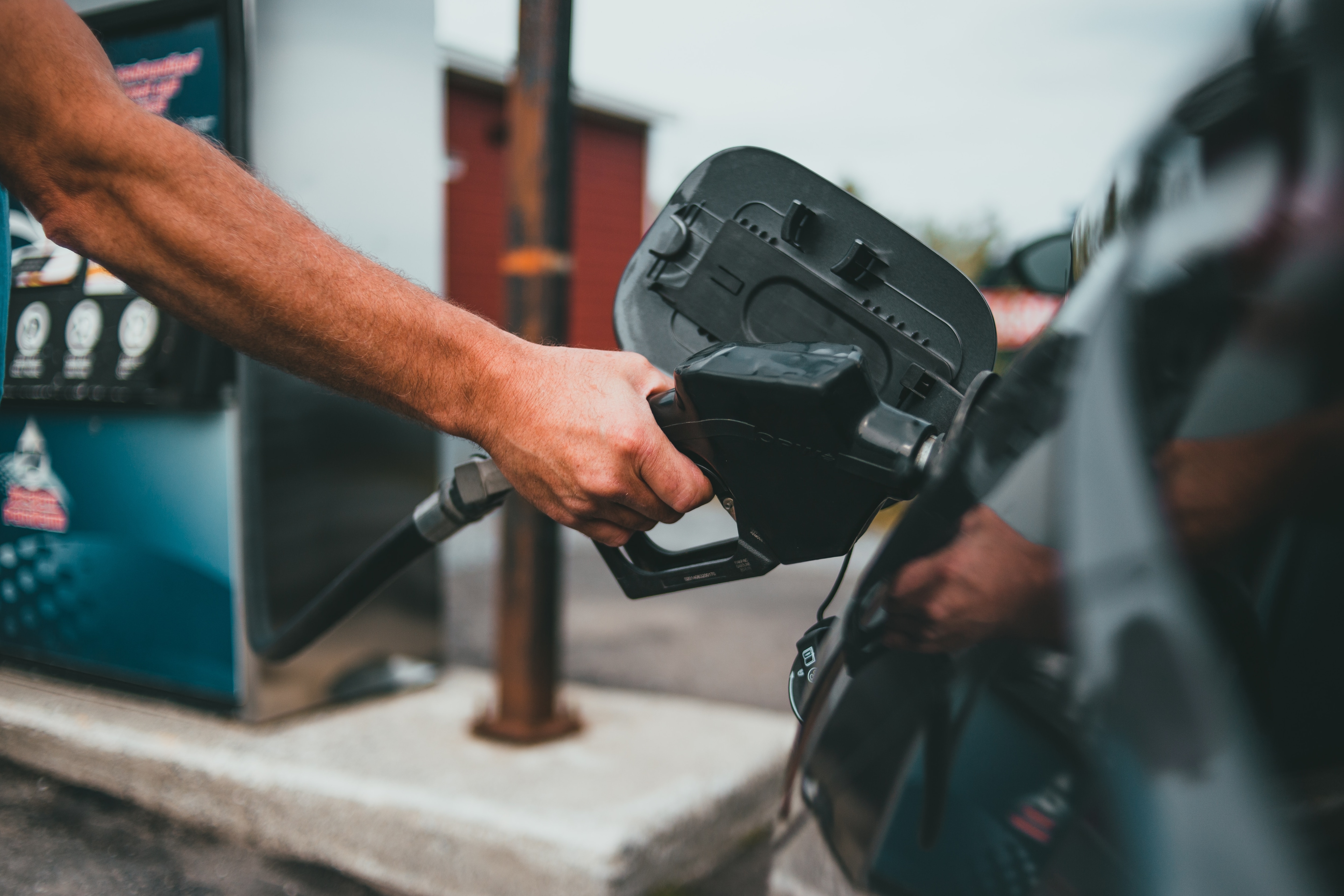
OPEC and its allies, including Russia, announced recently that they will be cutting down crude oil production by 3.66 million barrels per day. This oil production cut of 3.66 million barrels per day, or bpd, amounts to 3.7% of the global oil demand. The announcement by OPEC and its allies has led to an immediate rise in prices, as oil prices increased by $5, with the price going above $85 per barrel for Brent Crude oil.
The decision to cut oil production was taken as a precautionary measure to support market stability. Saudi Arabia is reducing output by 500,000 barrels per day and Iraq by 211,000. The UAE, Kuwait, Algeria and Oman are also making cuts. Moreover, Russian Deputy Prime Minister Alexander Novak has stated the Western banking crisis and the Western price cap on Russian oil as the main reasons behind the cut.

-
 NDTV Profit Ignite 2026: Experts See Opportunity In Equities, Stay Bullish For Long-Term
-
 Buy Right, Sit Tight Does Not Work for Individual Stocks, Says Dinshaw Irani
-
 'Worst Is Behind': Quant MF Sees Market Bottom, Flags 'Extreme Euphoria' In Midcaps
-
 India's Mutual Fund Industry Could Become A $1 Trillion Opportunity, Say Fund Managers
-
 'Foreign Investors Are Baraatis': Raamdeo Agrawal's Take On LTCG Tax
-
 Stay Invested Through Market Cycles: Raamdeo Agrawal at NDTV Profit Ignite
-
 Ramesh Damani Remains Bullish On India For Next 20-30 Years, Sees Bargains Amid Market Weakness
-
 CAS Came After A Long Consultation Process: SEBI Chairman Tuhin Kanta Pandey AT NDTV PROFIT IGNITE
-
 Aim To Cut FPI Onboarding Time From Mth To Five Days: SEBI Chairman Tuhin Kanta Pandey AT NDTV PROFI
-
 "I Am A Material Man In A Material World': Quantum Advisors' Ajit Dayal On NDTV Profit Ignite
So what is OPEC and why are they cutting oil production? Let's try and understand.
Also Read | Layoffs Are Rising In Tech, But These Skills Are Helping People Unlock Better Pay
What Is OPEC?
The Organisation of the Petroleum Exporting Countries, or OPEC, is an alliance of 13 countries that are all major exporters of oil globally. OPEC was established in 1960 to regulate petroleum policies and provide aid to its member countries. OPEC's main function is to regulate the supply of oil in the international market and set prices that are beneficial to both oil-producing and oil-consuming nations.
According to the OPEC website, the group's mission is “to coordinate and unify the petroleum policies of its Member Countries and ensure the stabilization of oil markets in order to secure an efficient, economic, and regular supply of petroleum to consumers, a steady income to producers, and a fair return on capital for those investing in the petroleum industry.” This mission reflects the organisation's commitment to stabilising oil prices and ensuring that the interests of its members are met.
Which Countries Are Part Of OPEC?
The countries that are a part of the OPEC include the five founding nations of Iran, Iraq, Kuwait, Saudi Arabia, and Venezuela, along with others like Algeria, Angola, Congo, Equatorial Guinea, Gabon, Libya, Nigeria, and the United Arab Emirates. These countries, as part of OPEC, work together to stabilise oil prices and ensure a steady supply of crude oil globally.
OPEC's Role In The Global Oil Market
OPEC's importance in the international petroleum market cannot be understated. By regulating the supply of oil to the international market, OPEC ensures that oil prices are stable and that member countries receive a steady stream of income from oil exports.
In recent decades, OPEC's influence on the international petroleum market has been affected by many different factors, like the advent of technologies such as fracking in the United States. This has led to an increase in worldwide oil production and an overall drop in oil prices, leaving OPEC in a less commanding position. As a result, the organisation has been forced to find new ways to regulate oil prices and ensure the interests of its member nations.
Essential Business Intelligence, Sharp Market Insights, Practical Personal Finance Advice, Daily Fuel, Gold and Silver Prices and Latest Stories — On NDTV Profit.