(Bloomberg Opinion) -- At the start of September, torrential rain in the Mediterranean led to severe flooding, infrastructure damage and deaths in multiple countries. As climate change expedites more extreme weather events like this, we need to consider how they're framed. These so-called natural disasters are often construed as “Acts of God,” both actuarially and colloquially, but most of time the blame more fairly lies on human actions.
A low pressure system, named Storm Daniel by the HellenicNational Meteorological Service, dumped downpours over 10 days across several nations, including Spain, Greece, Bulgaria, Turkey and Libya. The rain in Spain fell over just a few hours, yet major flooding still led to five fatalities. Greece, Bulgaria and Turkey had precipitation for four days, submerging Greece's agricultural center, the Thessalian plain. The storm then strengthened into a “medicane,” a Mediterranean hurricane, dropping record-high amounts of water on Libya over 24 hours on Sept. 10-11. Many areas were reported to have received between 150 millimeters and 240 millimeters of precipitation, with the town of Al-Bayda getting 414.1 mm. By comparison, in an average year, the coastal city of Derna — the epicenter of Libya's resulting crisis — gets just 274 mm of rain.
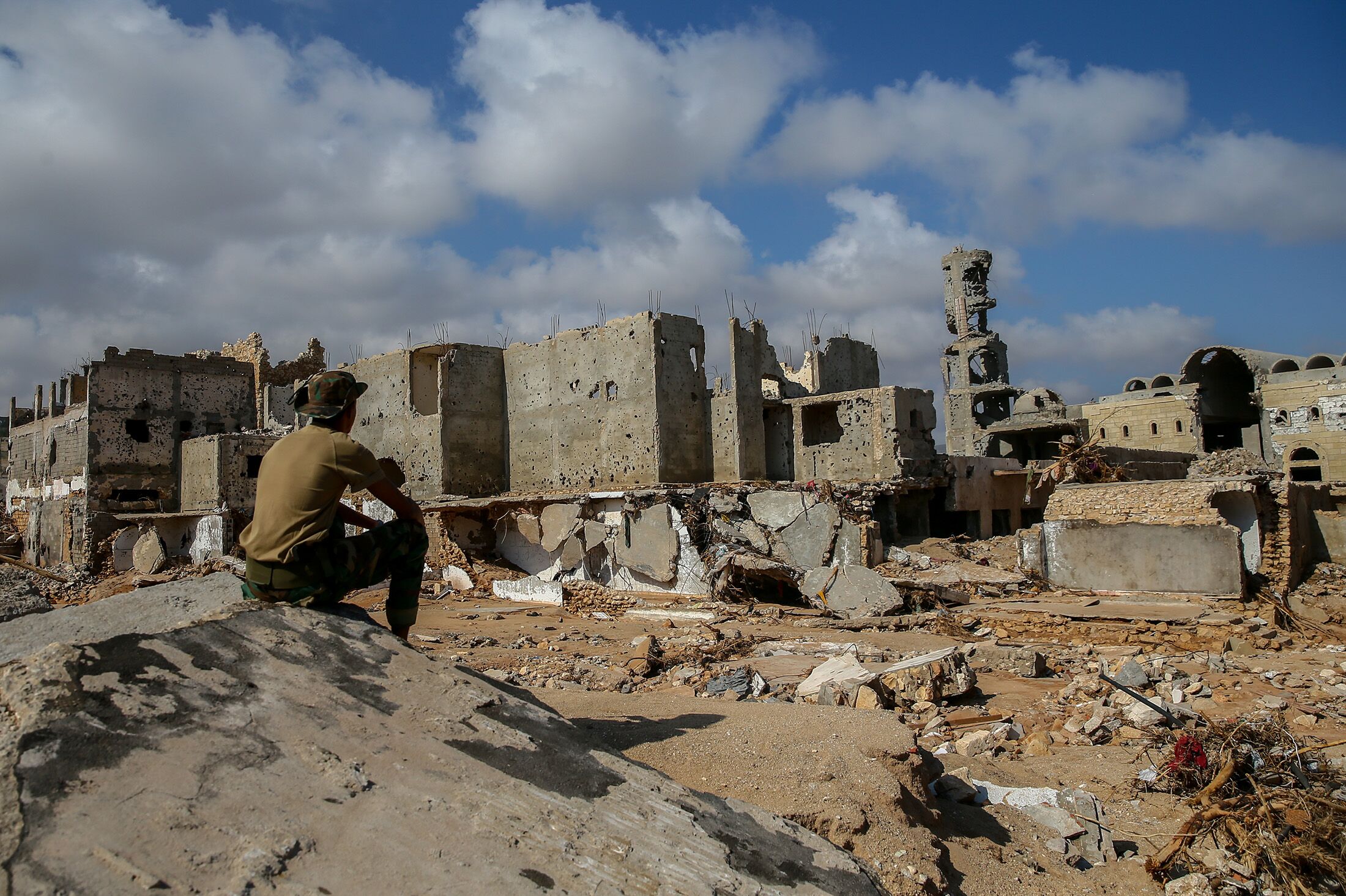
Libya's experience has been especially catastrophic. Rain is one thing, but the collapse of two huge dams is another. At around 3 a.m. on Sept. 11 the water broke through the barriers, unleashing a tsunami-size torrent on top of Derna. About 4,000 people are confirmed dead, with more than 8,000 still missing as of Sept. 21.
A rapid attribution study found that climate change played a role in the events. In Greece, Bulgaria and Turkey, global warming made the heavy precipitation up to 10 times more likely, with as much as 40% more rain. In Libya, scientists found that it was made up to 50 times more likely by fossil-fuel emissions, with as much as 50% more rain — though the weather event was still extremely unusual. Friederike Otto, climatologist and co-founder of the World Weather Attribution initiative, told me the rainfall was far outside the realm of anything seen before.
After extreme events, weather attribution studies have become an important contributor to making human-caused global warming part of the conversation. By comparing what exactly happened with models of a world not warmed by greenhouse gas emissions, researchers are able to calculate whether and how the climate crisis influenced a specific meteorological situation.
It's also important in order to add human agency. Our collective burning of fossil fuels is intensifying and increasing the frequency of storms and droughts, heat waves and wildfires. But that's not all. As Otto likes to make clear, disasters happen when hazards collide with vulnerability.
Libya is the perfect example. Reeling from years of civil war, corruption and neglect, the country was already fragile. Split between two governments, the critical maintenance on the destroyed dams simply didn't happen despite repeated warnings from experts. The structures, designed to protect against flash flooding, were damaged in a storm in 1986. More than a decade later, a study commissioned by the Libyan government revealed cracks and fissures in their structures. In 2021, a report said the dams hadn't been maintained despite the allocation of more than $2 million in 2012 and 2013. There will now be an investigation to find out where the money went.
For years, discussion around how to adapt to a rapidly changing climate was hindered by many who argued that it would reduce pressure to cut emissions. That attitude has arguably lingered in news reporting of some events and risks letting governments get away with not doing enough to protect their citizens.
A prolonged food shortage in Madagascar, for example, was roundly portrayed in the media as the world's first climate-driven famine, resulting from years of drought. Those stories missed the core problem, though: bad governance and greed. Corporate land grabs have taken up much of the agricultural terrain while communities slip further into poverty. Indeed, an attribution study found that climate change wasn't a significant driver of the food insecurity in Madagascar at all.
Elsewhere, land-management decisions have transformed absorbent wetlands into slick concrete — a factor behind the 2021 floods in Germany — and societal structures have made certain groups more exposed, such as in India where caste-based discrimination prevented some from entering evacuation shelters during cyclones.
Making these vulnerabilities part of the dialogue is the first step to taking effective action. Yet it doesn't help that adaptation funding globally is still a fraction of the money that goes to emissions reduction. That's becoming a more critical issue: Although deaths from natural disasters have been decreasing on the whole as disaster management has improved, climate change is making it much harder by spurring events well outside of previous experiences. Some measures may be expensive, but any costs involved will pale in comparison to doing nothing.
It's hard to say whether proper maintenance would have completely prevented the dam bursts in Libya in the face of such an intense event. But it's clear that human activity intensified both the threat and weaknesses, so much so that the people of Derna didn't stand a chance.
So next time there's a natural disaster, don't forget: We're making things so much worse for ourselves on the ground, too.More From Bloomberg Opinion:
- Rishi Sunak's Climate Delays Shortchange Britons: Lara Williams
- Biden's Climate Words Don't Match His Actions: Mark Gongloff
- Oil States Want to Sell You Carbon Indulgences: David Fickling
This column does not necessarily reflect the opinion of the editorial board or Bloomberg LP and its owners.
Lara Williams is a Bloomberg Opinion columnist covering climate change.
More stories like this are available on bloomberg.com/opinion
©2023 Bloomberg L.P.
Essential Business Intelligence, Sharp Market Insights, Practical Personal Finance Advice, Daily Fuel, Gold and Silver Prices and Latest Stories — On NDTV Profit.