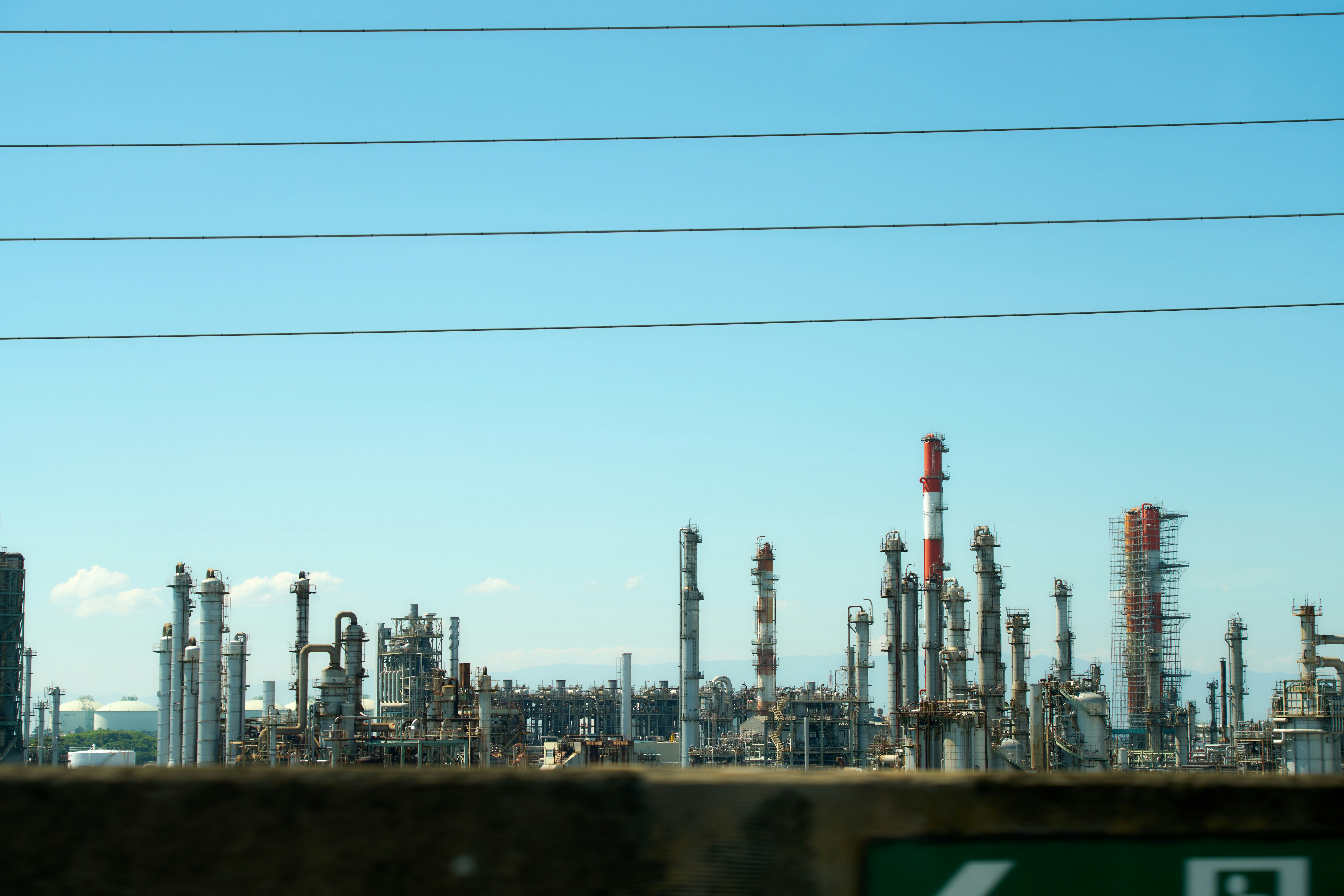
India is poised to become the next major player in the global petrochemicals industry, backed by a planned capital expenditure of USD 37 billion aimed at boosting self-sufficiency, S&P Global Ratings said in a new report.
The report, 'First China, Now India: Self-Sufficiency Goals Will Add To Petrochemicals Supply', warns that India's aggressive capacity expansion - following similar moves by China - will intensify oversupply pressures in Asia's petrochemical sector.

-
 NDTV Profit Ignite 2026: Experts See Opportunity In Equities, Stay Bullish For Long-Term
-
 Buy Right, Sit Tight Does Not Work for Individual Stocks, Says Dinshaw Irani
-
 'Worst Is Behind': Quant MF Sees Market Bottom, Flags 'Extreme Euphoria' In Midcaps
-
 India's Mutual Fund Industry Could Become A $1 Trillion Opportunity, Say Fund Managers
-
 'Foreign Investors Are Baraatis': Raamdeo Agrawal's Take On LTCG Tax
-
 Stay Invested Through Market Cycles: Raamdeo Agrawal at NDTV Profit Ignite
-
 Ramesh Damani Remains Bullish On India For Next 20-30 Years, Sees Bargains Amid Market Weakness
-
 CAS Came After A Long Consultation Process: SEBI Chairman Tuhin Kanta Pandey AT NDTV PROFIT IGNITE
-
 Aim To Cut FPI Onboarding Time From Mth To Five Days: SEBI Chairman Tuhin Kanta Pandey AT NDTV PROFI
-
 'One Can Never Get Good News And Bad Share Price': S Naren, ICICI Pru Life AMC On NDTV Profit Ignite
India, the world's third-largest petrochemical consumer after China and the US, has historically relied on imports to meet domestic demand. But a shift toward self-sufficiency is underway, and S&P expects India to account for a third of global capacity additions by 2030.
Also Read | Layoffs Are Rising In Tech, But These Skills Are Helping People Unlock Better Pay
S&P Global Ratings, in the report, anticipates that India will stick with major investment plans to reduce import dependency on chemicals used in everyday goods, from plastic bags to auto parts.
Overcapacity in Asia-Pacific petrochemicals won't likely stop India from pushing ahead with hefty investments in domestic capacity additions -- USD 25 billion from public sector undertakings, which are linked to refinery expansions and USD 12 billion in private sector capex, which may be more flexible.
By 2030, India is projected to account for a third of new global petrochemical capacity additions. The shift could hurt regional exporters, as over 50% of India and China's chemical imports currently originate in Asia.
"India's capacity additions in petrochemicals, which follow those of China, will increase competition within the broader Asian industry over the coming years," said S&P Global Ratings credit analyst Ker Liang Chan.
Despite overcapacity, India's robust domestic demand - especially for key products like polyethylene - is expected to support local producers' earnings, even as global players face pricing pressure and potential consolidation.
"Greater self-sufficiency in China and India poses a challenge for Asia-Pacific petrochemical exporters, absent mitigating actions to diversify sales and optimise capital expenditure," Chan said.
With US exports constrained by tariffs, options for Asian exporters are limited. S&P warns this could pressure earnings and drive industry consolidation.
Indian producers, however, are likely to be cushioned by strong domestic demand. S&P expects India to overtake the US as the world's second-largest consumer of polyethylene - one of the most widely used petrochemicals.
"The self-sufficiency goals of China and India exacerbate structural overcapacity in the industry, particularly amid a lacklustre recovery in global demand and ongoing trade tensions," analyst Shawn Park added.
China has been adding a lot of capacity, a trend that will remain over the next few years. "By 2030, India will take over that baton - we estimate the country will make up a third of global new additions in that year," S&P said.
The shift will likely hurt Asian petrochemical exporters. More than 50% of China and India's chemical imports stem from Asia. Asian chemical companies that export a sizeable portion of their output may find it difficult to redirect their export volumes away from two of the three largest petrochemical-consuming countries.
At the same time, increasing exports to the US, which is also one of the three largest petrochemical markets, may not be economically viable due to tariffs. In our assessment, this may consequently impair earnings and drive consolidation within the industry.
However, S&P believes Indian petrochemical operators' earnings will be somewhat protected, thanks to robust domestic demand.
Essential Business Intelligence, Sharp Market Insights, Practical Personal Finance Advice, Daily Fuel, Gold and Silver Prices and Latest Stories — On NDTV Profit.