India could get a sizeable improvement in steel exports to the European Union under the proposed free trade agreement, with the draft pact providing for a country-specific quota of 694,853 tonnes a year.
Overall, the proposed arrangement would give India access to 1.64 million tonnes of steel exports annually. Of this, 946,616 tonnes would be available under the most-favoured-nation (MFN) framework, while another 694,853 tonnes would be reserved specifically for India under the FTA, according to the draft agreement published by the EU.
ALSO READ : Oracle Plans More Job Cuts, Adds $700 Million To Restructuring Costs Amid AI Spending
Also Read | Layoffs Are Rising In Tech, But These Skills Are Helping People Unlock Better Pay
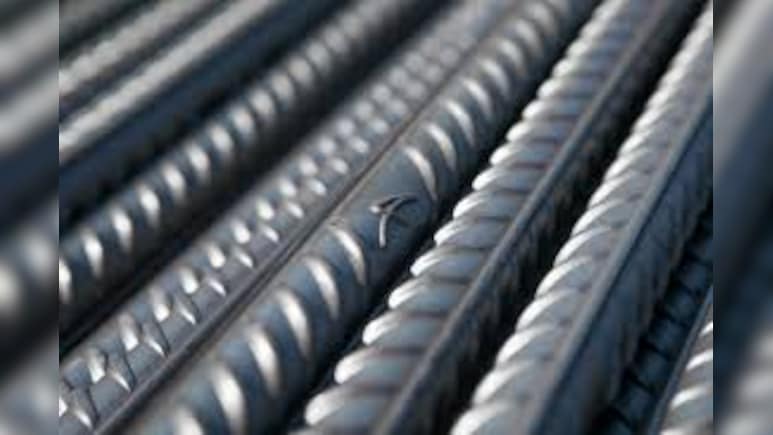
The quotas cover several steel categories, including hot-rolled and cold-rolled sheets, metallic- and organic-coated products, stainless steel, rebars, wire rods, pipes and tubes.
The biggest quota has been set aside for non-alloy and other alloy hot-rolled sheets and strips, with an annual limit of 5,09,605 tonnes. Of this, 2,99,197 tonnes will fall under the MFN quota, while 2,10,408 tonnes will be covered by the FTA provision.
Cold-rolled sheets have a quota of 2,18,658 tonnes, while metallic-coated sheets have been allocated 1,97,860 tonnes. Other significant quotas include 1,86,038 tonnes for organic-coated sheets and 1,81,835 tonnes for non-alloy and other alloy quarto plates.
India currently exports around 4 million tonnes of steel annually to the EU, making the quota arrangement significant for Indian steelmakers amid tighter European trade safeguards.
ALSO READ : L&T Leads India's Private Sector Into Tokenised Bond Market
The quotas follow the EU's Steel Overcapacity Regulation, which came into force on July 1. The regulation provides for duty-free import quotas of 18.3 million tonnes, while steel imports beyond the quotas face a 50% duty.
Steel imports from India outside the country-specific quotas will be subject to applicable base-rate duties under the EU's tariff commitments.
The EU will administer the quotas in a transparent and non-discriminatory manner, while India will also have access to additional and residual quota volumes under specified conditions.
The quotas will be reviewed periodically, with the first review scheduled one year after the FTA takes effect and subsequent reviews every five years.
India and the EU concluded negotiations for the trade pact on January 27. The agreement is expected to be signed by the end of 2026 and implemented next year.
(Inputs from PTI)
Essential Business Intelligence, Sharp Market Insights, Practical Personal Finance Advice, Daily Fuel, Gold and Silver Prices and Latest Stories — On NDTV Profit.