- India will lift temporary petrol and diesel sales restrictions from July 1
- Restrictions were introduced due to Middle East war disrupting fuel supplies
- Commercial users were limited to 200 litres of diesel per day during restrictions
India will remove the temporary restrictions on petrol and diesel sales from July 1, the government announced in an order issued on Monday. The limits were introduced earlier this month after the war in the Middle East disrupted global supply chains and raised concerns about fuel availability.
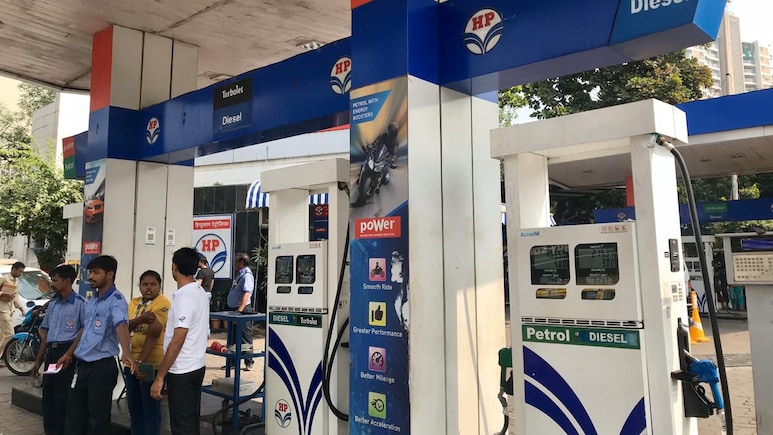
Under the restrictions, commercial users were not allowed to buy fuel from retail petrol pumps. Diesel purchases were also limited to 200 litres per customer or vehicle each day. The government said these measures were introduced to ensure enough fuel was available for everyone, prevent hoarding, stop misuse, and keep supplies steady at fair prices.
As the supply situation has improved, the government has decided to end these restrictions. From July 1, commercial users such as transport companies and industries will once again be able to buy petrol and diesel from retail outlets without any quantity limits.
Also Read | Layoffs Are Rising In Tech, But These Skills Are Helping People Unlock Better Pay
The restrictions were introduced because of the large price difference between retail fuel and bulk fuel supplies. Many commercial buyers, including trucking companies, started buying diesel from retail fuel stations run by state-owned oil companies because it was much cheaper than buying it in bulk.
ALSO READ: Tanker Traffic Shows India's Russian Crude Imports Set To Break Historical Records: Expert
Diesel, which makes up about 40% of India's total fuel consumption, was being sold to industrial users at nearly Rs 40 per litre more than the retail price. This price gap encouraged commercial buyers to shift to retail pumps, putting extra pressure on fuel supplies in several parts of the country.
State-owned fuel retailers—Indian Oil Corporation, Bharat Petroleum Corporation and Hindustan Petroleum Corporation—were the most affected. Together, they operate around 90% of India's more than 100,000 fuel stations. Their diesel sales increased sharply during this period, while private fuel retailers, which charged prices closer to market rates, saw a significant drop in sales.
The government's decision to lift the restrictions suggests that fuel supplies have returned to normal and that emergency measures are no longer needed.
ALSO READ: Oil Prices On June 29: Brent Crude Hovers Near $73 As US, Iran Agree To Halt Attacks
Essential Business Intelligence, Sharp Market Insights, Practical Personal Finance Advice, Daily Fuel, Gold and Silver Prices and Latest Stories — On NDTV Profit.