- Tejas Mk1A deliveries delayed due to slow GE engine supply, now improving steadily
- HAL received 10 F404-IN20 engines, enabling 10 jet deliveries by March 2027
- GE414 engine deal critical for future Tejas Mk2 and advanced Indian fighters
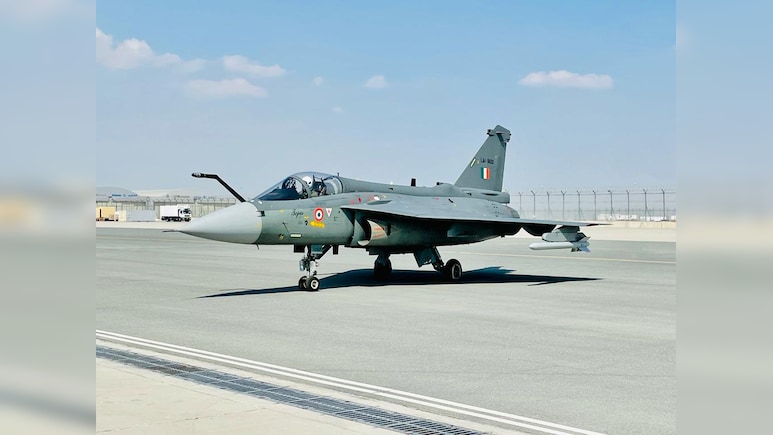
The Tejas Mk1A was supposed to start replacing India's ageing fleet in 2024. It didn't, and for four years the reason has stayed the same: GE Aerospace's engines weren't arriving fast enough. That reason is starting to fade finally. What replaces it as the thing worth watching isn't the engine at all.
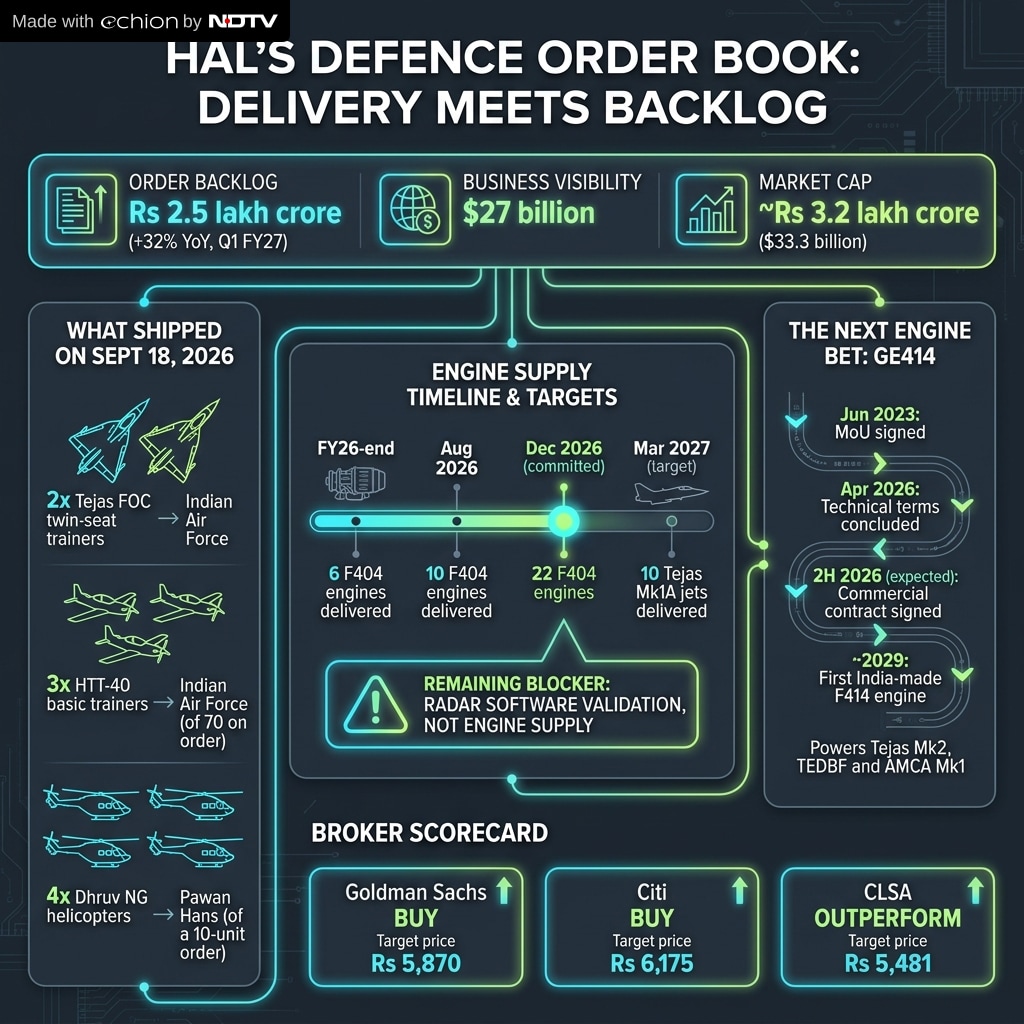
GE shipped three more F404-IN20 engines last month alone, taking cumulative deliveries to 10, against just six at the end of FY26. Goldman Sachs puts a number on how much inventory has piled up waiting for that supply to catch up: "27 airframes are ready," the brokerage's analysts wrote, even as formal handovers wait on final testing sign-off. HAL now believes those 10 engines are enough to support delivery of 10 Mk1A jets by March 2027, and GE has committed to another 12 by December.
That improvement sits alongside a broader push. Last week, HAL handed over two Tejas Final Operational Clearance (FOC) twin-seat trainers and the first three HTT-40 basic trainers to the Indian Air Force, along with four Dhruv NG helicopters to Pawan Hans, fighters, trainers and helicopters moving together rather than one programme limping along on its own.
Also Read | Layoffs Are Rising In Tech, But These Skills Are Helping People Unlock Better Pay
However, engines were never the whole story. HAL chairman and managing director Ravi K said around the time of the handover that major weapon integration work is complete, but that radar-related software modifications and the validation testing needed to confirm how the aircraft behaves during weapon separation are still open.
A closer look at HAL's road ahead
Photo Credit: NDTV Profit
Citi's analysts are careful not to call the problem solved: improving engine availability, they write, "does not eliminate testing and IAF-acceptance risk." It is also not a new problem. HAL's leadership has been describing software and radar integration as a bottleneck running parallel to the engine story since mid-2025, well covered in defence circles if not in markets coverage.
Why GE414 Contract Matters
In a note titled 'Delivery, Delivery, Delivery', CLSA argues the best is still to come, pointing specifically to the second half of this year, when it expects HAL to see further improvement in F404 supply, begin actual Tejas Mk1A deliveries and, in the analysts' own words, "conclude a GE 414 engine production deal." The F404 story is about GE fulfilling an existing supply contract faster.
ALSO READ: HAL Delivery Push Draws Bullish Calls From CLSA, Citi, Goldman Sachs With Upto 27% Upside
The GE414 story is about whether India gets GE to actually manufacture a modern fighter engine on Indian soil, with the technology transferred to go with it. HAL and GE signed a preliminary agreement in June 2023, during Prime Minister Narendra Modi's state visit to Washington, and India's Ministry of Defence has treated a minimum 80% technology transfer as non-negotiable ever since, a far higher bar than the F404 arrangement. That demand, combined with disagreements over pricing, pushed the deal past a string of deadlines. The technical side of the negotiation wrapped up earlier this year, moving talks into their final phase.
The stakes explain why CLSA is watching it so closely. The F414 is slated to power the Tejas Mk2, the Twin Engine Deck-Based Fighter, and the initial version of the Advanced Medium Combat Aircraft, India's stealth fighter programme, three future fighter lines riding on a single contract, against the backdrop of an air force whose squadron strength has fallen to 29 against a sanctioned 42. Even if the second-half timeline holds, the first India-made F414 isn't expected off a production line before around 2029. This is a story about HAL's next decade, not its next quarter.
ALSO WATCH:
Essential Business Intelligence, Sharp Market Insights, Practical Personal Finance Advice, Daily Fuel, Gold and Silver Prices and Latest Stories — On NDTV Profit.