Low-cost carrier airline Go First filed for voluntary insolvency on Tuesday.
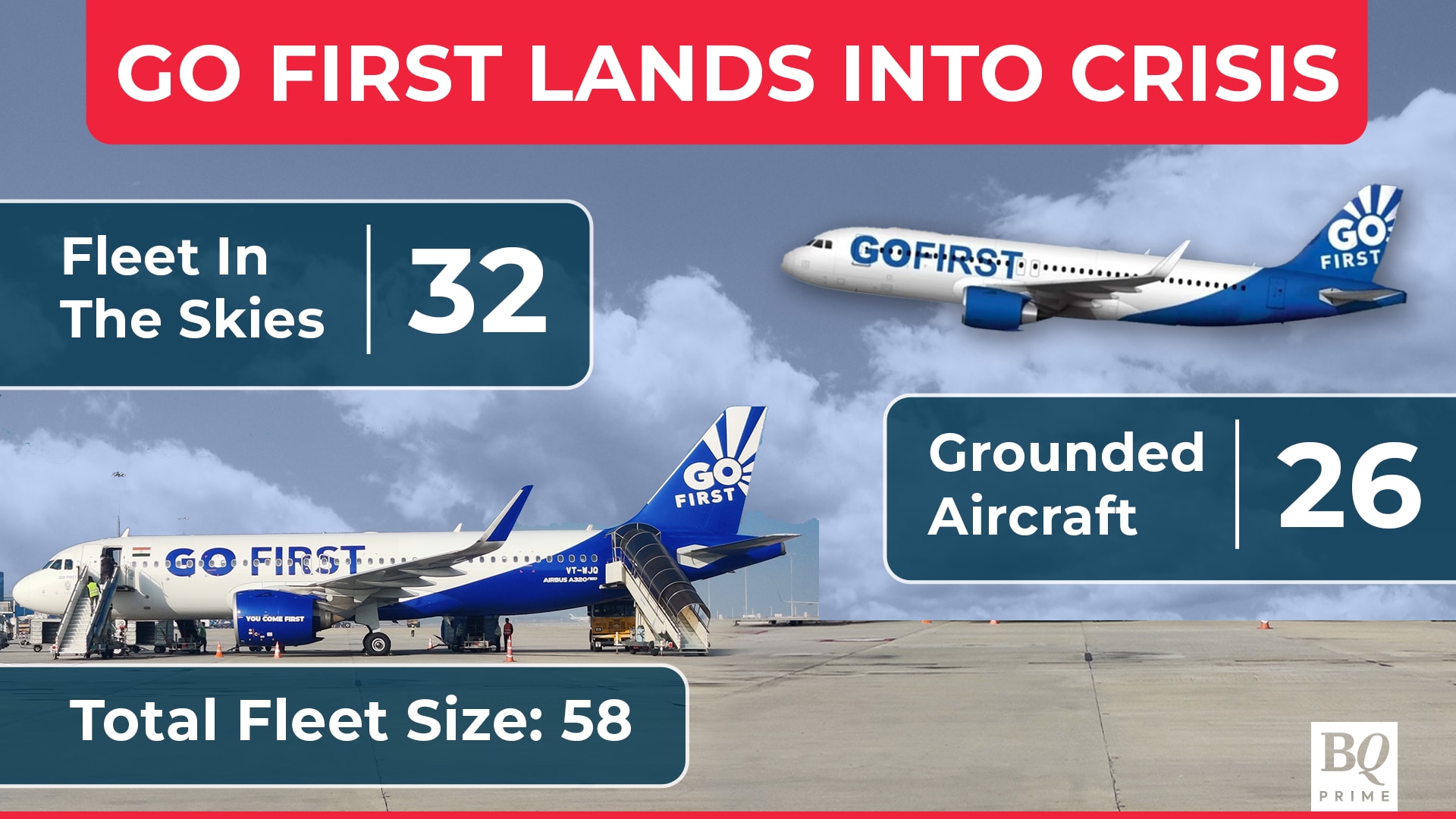
The company has blamed U.S.-based engine maker Pratt & Whitney for faulty engines that led to the airline having to ground 50% of its fleet and eventually face a financial crunch.
However, there were other factors that led the company to bankruptcy.
Also Read | Layoffs Are Rising In Tech, But These Skills Are Helping People Unlock Better Pay
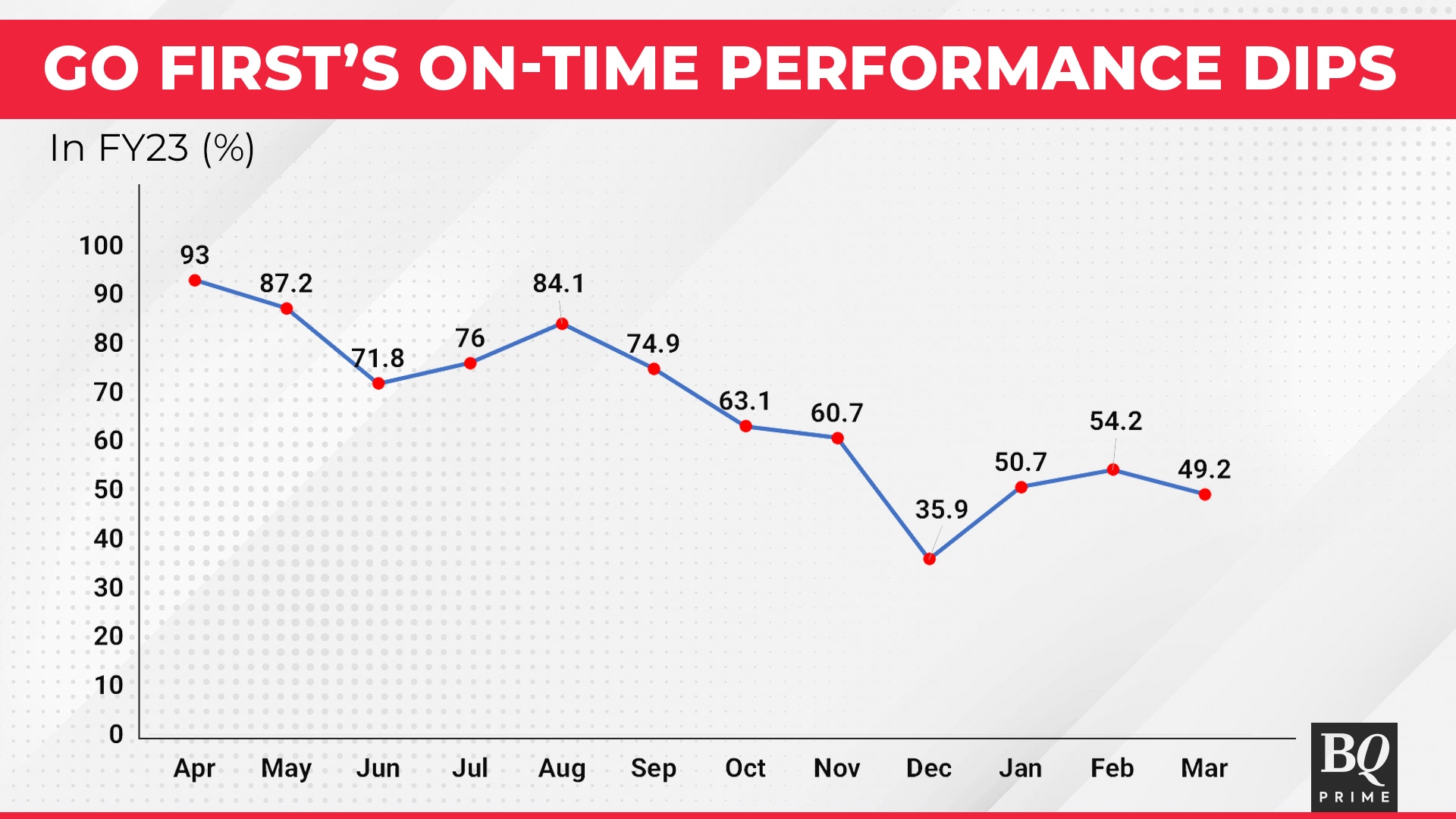
Here's a look at the operational metrics where Go First failed in the financial year that ended in March.
The biggest drop in performance was in time management, with only half of Go First's flights being on time in March 2023.
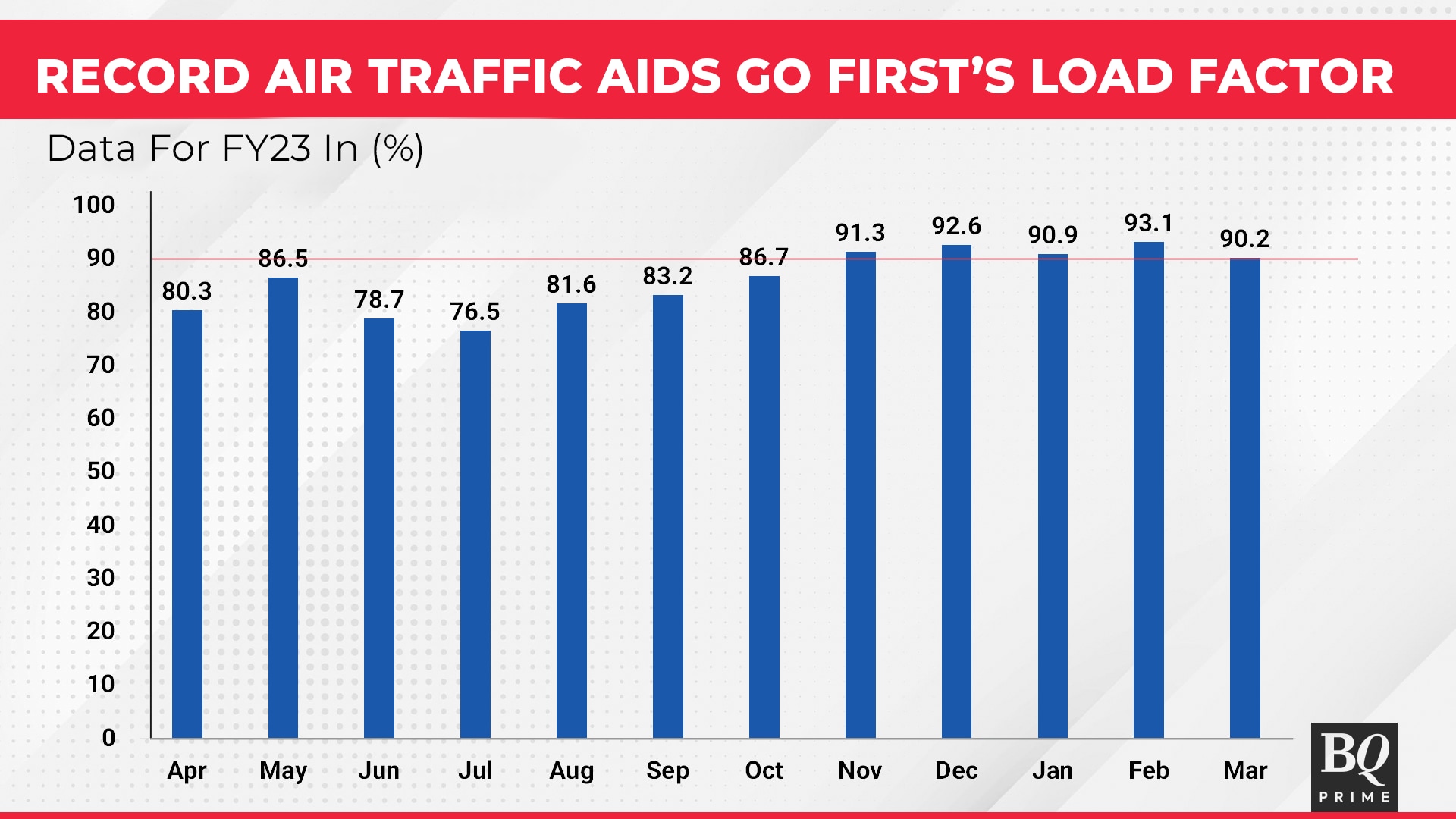
Despite the fall in on-time performance, load factor, or capacity utilisation, remained elevated because of the surge in overall passenger demand.
India's air passenger traffic has improved over the last year and soared to over a three-year high in March.
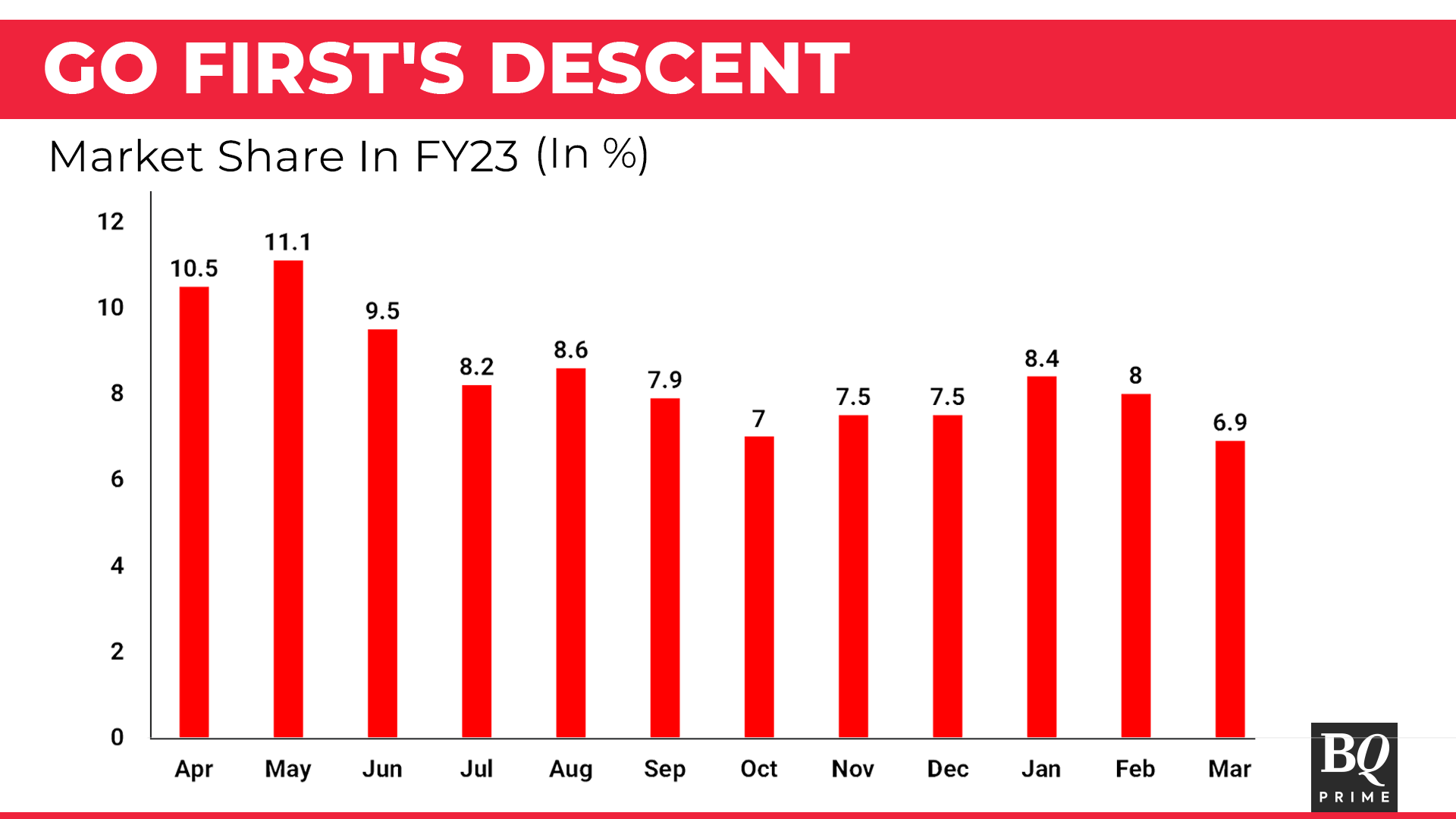
So, the decline in market share over the course of the year was primarily on account of the 26 grounded aircraft, which reduced Go First's capacity by half.
Despite the lower on-time performance, the company was managing to keep the load factors elevated.
As highlighted by the key metrics, the primary reason for the fall appears to be the lack of engines, which led to half of its fleet being grounded.
Essential Business Intelligence, Sharp Market Insights, Practical Personal Finance Advice, Daily Fuel, Gold and Silver Prices and Latest Stories — On NDTV Profit.