- India has begun establishing itself in the global semiconductor industry with initial groundwork done
- The government aims to create 200 venture-backed firms and focus on advanced semiconductor packaging
- Plans include training over 100,000 technicians to support the growing semiconductor ecosystem
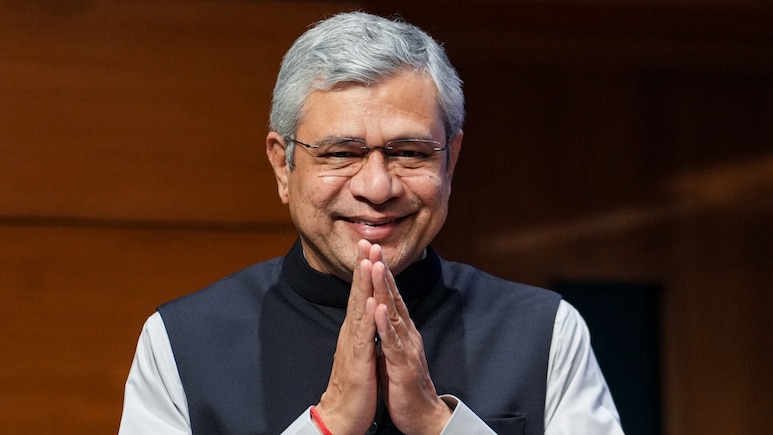
India has taken the first steps toward establishing itself as a significant force in the global semiconductor industry, but turning that ambition into a durable manufacturing base will require deeper investment, more sophisticated production capabilities and a broader network of domestic suppliers, Union Electronics and Information Technology Minister Ashwini Vaishnaw said.
Outlining the government's plans for “Semicon 2.0,” Vaishnaw said India had completed the initial groundwork for the sector but would now have to intensify its efforts to develop a semiconductor industry capable of competing on the global stage.
ALSO READ: India's Forex Reserves Drop By $4.9 Billion To $780.8 Billion: RBI Data
Also Read | Layoffs Are Rising In Tech, But These Skills Are Helping People Unlock Better Pay
As part of the next phase, the government is targeting the creation of 200 venture-capital-backed companies, while placing greater emphasis on advanced semiconductor packaging and related technologies.
The programme is also expected to focus heavily on skilled manpower.
The government plans to train more than one lakh technicians for the semiconductor ecosystem, while the industry is expected to generate over one lakh jobs, Vaishnaw said.
The minister highlighted the importance of developing an end-to-end ecosystem, saying several countries had struggled to build sustainable semiconductor industries because they lacked supporting manufacturing capabilities.
“Precision manufacturing is a complex process,” Vaishnaw said, underscoring the need to develop capabilities beyond chip fabrication.
ALSO READ : PM Modi Receives Call From UAE President Amid Ongoing West Asia Tensions
India already has significant strengths in semiconductor design, with Vaishnaw pointing to the country's large pool of design talent.
He also sees substantial opportunities for growth in semiconductor materials, equipment and machinery.
He said India-made semiconductor products were already being exported to markets including China and Japan, reflecting growing global acceptance of the country's capabilities.
At the same time, Vaishnaw acknowledged that India faces financial constraints in providing incentives to the industry.
The country, he said, would have to compete globally while making strategic use of available resources.
“The world is looking at India in a different way now,” Vaishnaw said, pointing to growing opportunities in the semiconductor sector.
The minister said sustained determination would be crucial to building and running a semiconductor industry capable of competing in the global market.
Essential Business Intelligence, Sharp Market Insights, Practical Personal Finance Advice, Daily Fuel, Gold and Silver Prices and Latest Stories — On NDTV Profit.