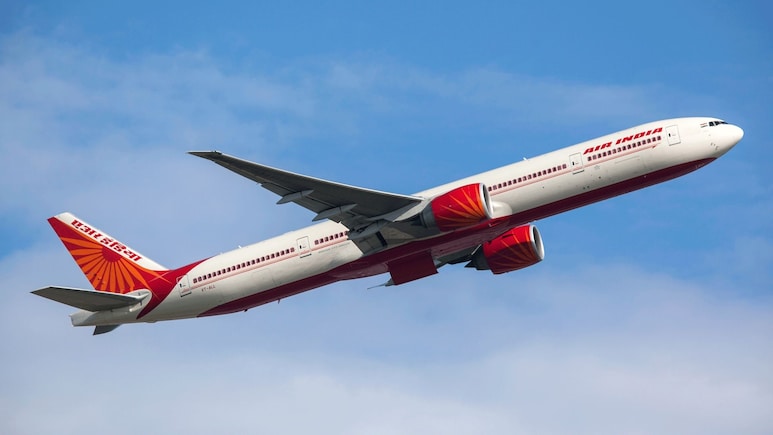
Air India and Air India Express have revised their fuel surcharge across domestic and select international routes in response to the continued increase in aviation turbine fuel (ATF) prices, the company said in a statement on Thursday. The revised surcharge will increase the fare payable by passengers on new bookings.
For Air India Express, the revised fuel surcharge will apply to bookings made from 0000 hours IST on Oct. 9, while Air India will implement the changes from 1100 hours IST on October 9.
For domestic flights, the fuel surcharge will now vary based on the distance travelled. A one-way surcharge of Rs 400 will apply to sectors covering up to 500 km, while flights between 501 km and 1,000 km will attract a surcharge of Rs 600. For journeys between 1,001 km and 1,500 km, the surcharge has been set at Rs 850. Flights covering 1,501 km to 2,000 km will attract Rs 1,200, with the same Rs 1,200 surcharge applicable to flights beyond 2,000 km.
Also Read | Layoffs Are Rising In Tech, But These Skills Are Helping People Unlock Better Pay
The revision comes as airlines face higher operating costs amid a sustained increase in ATF prices. Fuel is one of the largest components of an airline's operating expenses, making ticket prices particularly sensitive to changes in jet fuel costs.
On select international sectors, the revised fuel surcharge will be substantially higher. Flights to North America will carry a one-way surcharge of $215, while passengers travelling to Australia will pay $210. For Europe, including the UK, the revised surcharge has been set at $135 per one-way journey. Flights to West Asia and the Middle East will attract a surcharge of $55.
READ | Air Traffic Growth Hits Turbulence: Why India's Domestic Passenger Numbers Are Falling
The latest move comes at a time when Indian airlines are already dealing with elevated costs and pressure on passenger demand. Higher fuel prices can weigh on airline margins if carriers are unable to fully pass on the increase to passengers through fares. The surcharge revision also comes against the backdrop of airlines increasingly using fuel surcharges as a mechanism to respond to sharp movements in jet fuel prices without making an across-the-board change to their base fares.
For passengers, the immediate impact will be higher ticket prices on affected routes from October 9, although the overall fare paid will continue to depend on the base fare, taxes and other applicable charges.
Essential Business Intelligence, Sharp Market Insights, Practical Personal Finance Advice, Daily Fuel, Gold and Silver Prices and Latest Stories — On NDTV Profit.