(Bloomberg Opinion) -- Whenever oil prices shoot higher, there's a debate among economists about whether it will spark faster inflation or act as a drag on economic growth. There's no definitive answer because it all depends on the economic backdrop at the time when crude is rising. At this moment, with West Texas Intermediate having surged to $115 a barrel, the highest since 2008, the answer seems clear -- at least if you put any weight in the collective wisdom of bond market. The oil shock of 2022 is decidedly deflationary over the longer term with the real risk of a recession.
The world changed last week as Russia stepped up its invasion of Ukraine, leading the U.S., European nations and their allies to impose increasingly stiff financial sanctions. Although western leaders were initially loath to ban purchases of oil, aluminum and other commodities from Russia on concern such a move would inflict significant financial pain on their own citizens, by the end of the week it seemed increasingly likely that U.S. and European nations would take those steps.
The response throughout financial markets has been a flight to havens such as the dollar, developed-market government bonds and gold. The reaction in commodity markets has been both swift and violent. Yes, oil prices surged and aluminum reached new records, but that was just the start. The price of wheat, of which Ukraine is a major grower, soared on concern supplies will be severely curtailed. The Bloomberg Commodity Spot Index, which tracks 23 futures contracts, jumped 13% in its biggest weekly gain on record in data going back to 1960.
Also Read | Layoffs Are Rising In Tech, But These Skills Are Helping People Unlock Better Pay
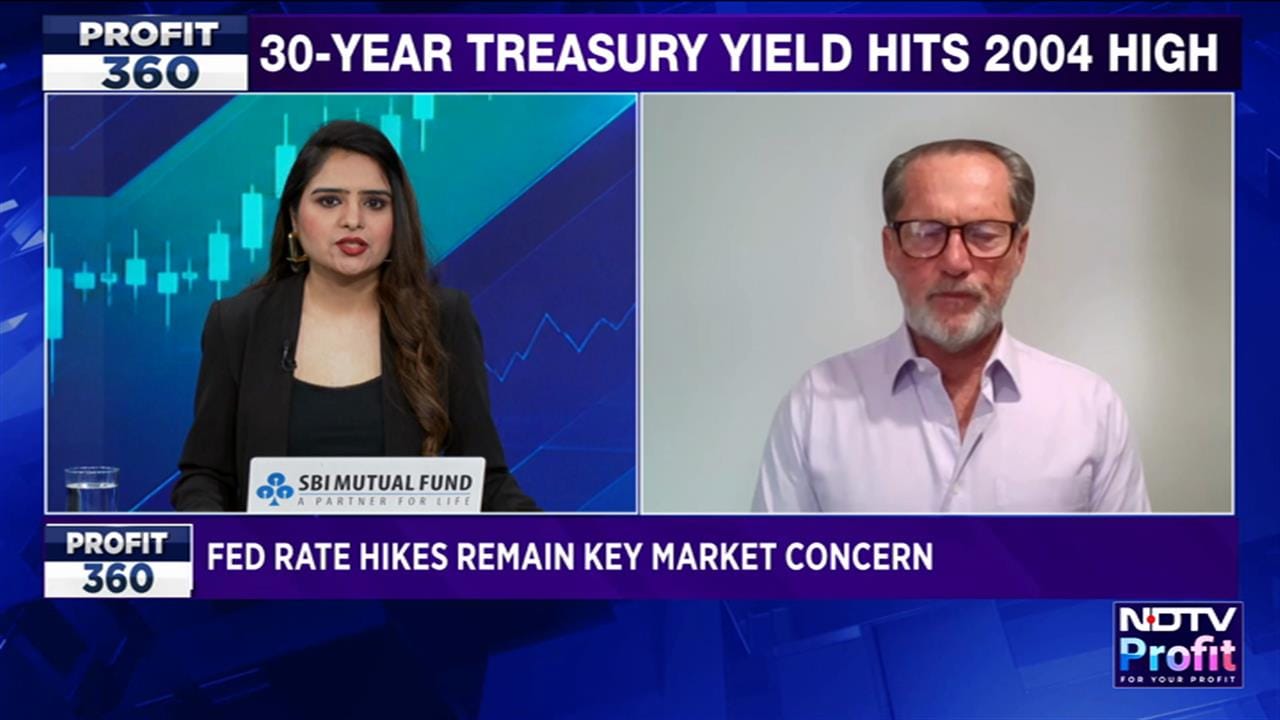
So while inflation expectations as measured by the U.S. bond market over the next five years rose to the highest since at least 2002, longer-term Treasury bond yields fell. Also, key benchmark yield curves contracted significantly, with the very important gap between two- and 10-year Treasury yields narrowing to the least since March 2020 and the very beginnings of the pandemic. This market response does not scream inflation, but rather the opposite.
When the yield curve was narrowing a few weeks ago, many analysts blamed it on concern that the Federal Reserve would raise interest rates too quickly, eventually causing economic growth to slow. However, last week's action felt like something had changed in the narrative. Economists were quick to game out the ramifications of higher oil prices, with a number pointing to prices of $150 to $200 a barrel as the point where economic growth could rapidly shift into recession. That's exactly the range for crude that some, including DWS Group's Darwei Kung, a money manager and the firm's head of commodities, say we are likely to hit should additional sanctions be imposed. It's not just oil that is rapidly rising in price, but also basic staples such as agriculture products like wheat and corn. But instead of eating or driving less, consumers historically have cut back on other areas of their spending to compensate for these higher costs.
A Bloomberg Intelligence report finds that a one-cent change in gas prices influences annual U.S. consumer spending on fuel by about $1.1 billion. That would mean gas prices are levying an energy "tax" near $100 billion based on the rise in gas prices over the past year, and poised to go much higher. In a note this week, Bank of America Corp. chief strategist Michael Hartnett said the Ukraine war and subsequent commodity disruptions “means a bigger inflation shock, a smaller rates shock, and a bigger recession shock.”
Sure, Americans are enjoying some of the biggest pay gains in decades, but that's on a nominal level. The monthly employment report released Friday showed that wages had surged 5.1% from a year earlier, but that was down from 5.7% in January. Plus, it's not even keeping up with inflation. The government is forecast to say this week that the consumer price index rose 7.9% in February from a year earlier, according to data compiled by Bloomberg.
In this environment, it makes sense that benchmark 10-year Treasury note yields have fallen to 1.73% from more than 2% in mid-February. Yes, there's concern about the Fed hiking rates too quickly into slower economic growth. And yes, the central bank still owns a significant portion of the nation's debt, which keeps benchmark yields lower than they otherwise would be. However, this move lower in yields is different. It's a suggestion that momentum in the world's biggest economy isn't strong enough to withstand the commodity shock that we're seeing now, especially at a time when the Fed has little ammunition to act.
This column does not necessarily reflect the opinion of the editorial board or Bloomberg LP and its owners.
Lisa Abramowicz is a co-host of "Bloomberg Surveillance" on Bloomberg TV.
©2022 Bloomberg L.P.
Essential Business Intelligence, Sharp Market Insights, Practical Personal Finance Advice, Daily Fuel, Gold and Silver Prices and Latest Stories — On NDTV Profit.