- Airbus sees supply chain improvements and supports struggling suppliers through evaluations
- Supply chain delays impact aircraft delivery, maintenance, and parts amid rising air traffic demand
- Airbus uses watchtowers to monitor supplier performance and provide necessary assistance
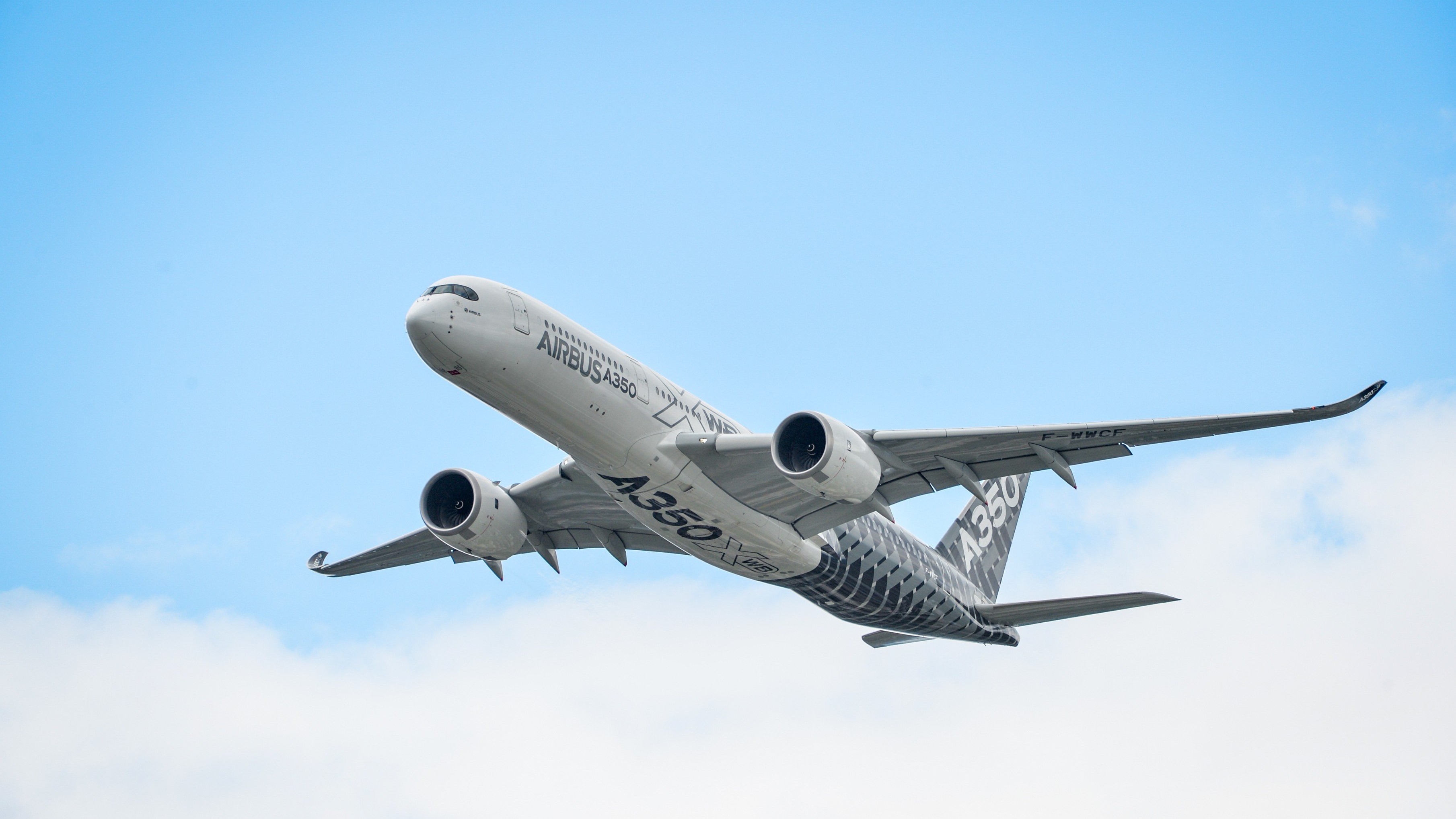
Airbus is seeing improvements in the supply chain and is evaluating suppliers to understand their difficulties and provide required support, according to a senior company executive.
Supply chain bottlenecks, triggered by multiple factors, including geopolitical uncertainties, are resulting in delays of aircraft deliveries, increased time of maintenance works and shortage of parts at a time when airlines are looking to expand their fleets to cater to the rising air traffic demand.

-
 Why Tamannaah Bhatia Is Taking The Long Route To Scale Her Jewellery Business
-
 'I Am My Own Intern': Tamannaah Bhatia On NDTV Profit Ignite
-
 Indian Mkt Will Return With The 'Smart Mkt' Story: NSE MD & CEO Ashishkumar Chauhan On NDTV Profit I
-
 India Lacks An AI Story But Has IT 'Workhorses': Why NSE CEO Sees Foreign Money Returning
-
 NDTV Profit Ignite 2026 Live Updates: 20-30 Years To Be Better For Markets, Says Damani
-
 Gold Price Dips Ahead Of Diwali: Can It Go Lower On Dhanteras? What To Expect
-
 What Would Make Brokers Bullish Again On Indian Markets? Axis Lists Its Triggers
-
 NDTV Ignite, The Trillion-Dollar Trajectory: India's Road to 2030
Sharing his views on the supply chain, Airbus Asia Pacific President Anand Stanley said the key issue is that Covid had been disruptive to the suppliers and the focus post-pandemic has been to ramp up, grow and stabilise the production of the suppliers.
Also Read | Layoffs Are Rising In Tech, But These Skills Are Helping People Unlock Better Pay
"With reference to 2025, we are seeing improvements in our supply chain. This year, we are seeing improvements at every level and we as Airbus are fully committed to restoring the next steps of our commercial aircraft production ramp up," he told PTI during an interaction in Bangkok last month.
A recent study by IATA and consultancy Oliver Wyman estimated that supply chain bottlenecks are expected to cost the global airline industry more than $11 billion this year, driven by four factors -- excess fuel costs, additional maintenance expenses, increased engine leasing costs, and surplus inventory holding expenses.
Airbus has created watchtowers to evaluate its suppliers to understand which ones are in difficulty and to provide support to them.
"The idea of watchtowers is something that we have especially been using to address issues since the pandemic and this concept has been used to evaluate our suppliers and what kind of performance they are at and how we can engage with them to provide support when necessary."
"A watchtower is a process that we use internally at Airbus to be able to address issues and to support our suppliers especially in the area of performance," Stanley said.
Noting that it is a complex industrial environment, he said there are areas where Airbus talks about financial support. "We look at placing experts from our company at the suppliers to support them."
Earlier this month, the International Air Transport Association said the supply chain woes for the airline industry are likely to persist for up to eight more years, as there is already a delivery shortfall of at least 5,300 aircraft, and costs for airlines are also escalating.
Airbus A320 Operators Must Do Extra Check On Door Part, FAA SaysEssential Business Intelligence, Sharp Market Insights, Practical Personal Finance Advice, Daily Fuel, Gold and Silver Prices and Latest Stories — On NDTV Profit.