The ongoing Middle East conflict is rapidly unravelling the Gulf's packed global events calendar, with several marquee gatherings either cancelled, postponed or pushed into uncertainty as security concerns mount.
Once positioned as a global hub for high-profile conferences, sporting spectacles and cultural showcases, the region is now witnessing widespread disruption across sectors—from business forums to crypto summits.
Major Business, Economic Events Postponed
Global institutions and regional organisers have begun pulling back or rescheduling key gatherings:
Also Read | Layoffs Are Rising In Tech, But These Skills Are Helping People Unlock Better Pay
The World Economic Forum has postponed its Global Collaboration and Growth Meeting scheduled in Jeddah, citing the need to ensure “full strategic impact.”
Abu Dhabi Business Week, originally set for April 6–9, has been deferred, with fresh dates yet to be announced.
Also Read: Trump Says Iran Seeks Deal After 'Very Big Present'; Tehran Denies Talks
The Arab Media Forum has been pushed to September 2026 to preserve its scale and participation.
The Arabian Travel Market in Dubai has been rescheduled from May to August due to “recent developments in the region".
Sporting Events Take a Hit
The impact has extended sharply into global sports:
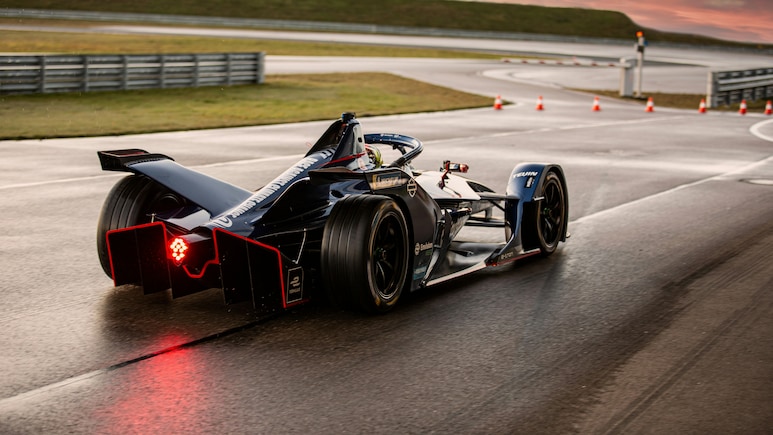
Formula 1 confirmed that the Bahrain and Saudi Arabia Grand Prix will not take place in April.
The decision reflects growing concerns over airspace safety and regional instability.
Crypto & Global Tech Gatherings Deferred
The technology and crypto ecosystem has also been affected:
TOKEN2049 Dubai, one of the world's largest crypto conferences, has been deferred by a full year to April 2027, with organisers citing the need to maintain “scale and quality.”
Cultural Events Shift to 'Adapted' Formats
Some organisers are proceeding cautiously with scaled-down versions:
Art Dubai will go ahead in May but in an “adapted format” at Madinat Jumeirah, with organisers stressing the importance of sustaining the cultural ecosystem despite disruptions.
Also Read: Democrats Flip Florida District Representing Trump's Mar-a-Lago
Ripple Effects on Global Energy Meets
The conflict's impact is also being felt beyond the region:
Top executives from Saudi Aramco and Abu Dhabi National Oil Company skipped CERAWeek in Houston, often dubbed the “Davos of Energy.”
ADNOC CEO Sultan Al Jaber, addressing the conference virtually, described disruptions in the Strait of Hormuz as “economic terrorism,” warning of risks to global energy supply.
A Regional Hub Under Pressure
The wave of disruptions highlights a broader challenge for Gulf economies that have invested heavily in becoming global convening hubs. Countries like United Arab Emirates, Saudi Arabia and Qatar had built reputations as crossroads for business, innovation and culture.
However, with flight cancellations rising and airspace volatility increasing, organisers are now forced to balance ambition with safety.
The current situation underscores how quickly geopolitical tensions can derail even the most carefully curated global events ecosystem—turning what was once a booming calendar into a landscape of uncertainty.
Essential Business Intelligence, Sharp Market Insights, Practical Personal Finance Advice, Daily Fuel, Gold and Silver Prices and Latest Stories — On NDTV Profit.