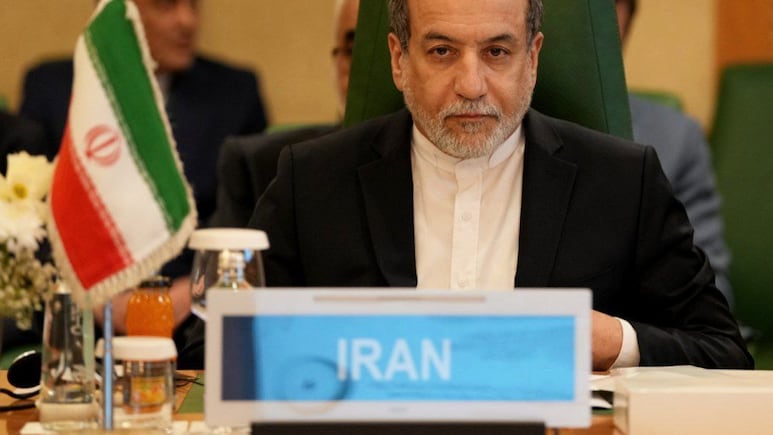
- Iran's Foreign Minister Abbas Araghchi to hold talks with Qatari mediators in the US
- US and Iranian representatives to meet mediators on a revised seven-day plan from Tehran
- Iran seeks a regional ceasefire, asset release, sanctions relief, and end to US naval blockade
Iran's Foreign Minister Abbas Araghchi, who was in the United States for the UN General Assembly, will be staying back on Monday to hold talks with Qatari mediators, Reuters reported, citing an official privy to the development. Separately, representatives of Washington would also reportedly be meeting the mediators. The agenda is a reworked version of the seven-day plan Tehran tabled at the UN General Assembly.
Nuclear Concessions Are The Price
Trump has rejected Iran's offer to reopen the Strait of Hormuz. The Wall Street Journal reports that mediators are now urging Tehran to bend on its nuclear programme as a way of getting talks moving. Regional government officials who deal with Iranian leaders told the paper that Tehran thinks it can absorb American pressure, including the blockade and any renewed strikes. Arab sources say Iran, for its part, hopes Washington will also give ground so negotiations can progress.
Also Read | Layoffs Are Rising In Tech, But These Skills Are Helping People Unlock Better Pay
How The Strait Became A Bargaining Chip
The war dates back to February strikes by the US and Israel, aimed at eroding Iran's military strength and pushing back the danger from its nuclear and missile work. Since then, the Strait of Hormuz has joined the nuclear file at the centre of diplomacy. Iran has been trying to shut the waterway since the fighting began, and the US answered by blockading Iranian ports. Before the war, about a fifth of the world's oil and gas moved through the strait, so its disruption has triggered a severe supply crisis and higher costs worldwide.
Iran's Asks
Tehran wants a one-week ceasefire across the region, including in Lebanon, where Israel regularly strikes Hezbollah, an Iranian ally. It also wants its overseas assets released, easing of the sanctions on its oil sector, and an end to the US naval blockade.
ALSO READ | More US Strikes On Iran? Trump Hints 'It's Possible'; Tehran Says Fully Prepared For 'Doomsday' War
Push For Direct Contact
Axios reported on Sunday that mediators are trying to get the two sides to talk to each other directly. That follows discussions between US envoys Steve Witkoff and Jared Kushner and Araghchi less than a week ago. Trump told Axios he expects talks to resume soon.
Oil Reacts
Crude fell by more than 2% on Friday when news of Iran's offer emerged. Trump rejected Tehran's demands on Saturday, and by Monday Brent had climbed more than 3%, back above $107 a barrel.
ALSO READ | Hormuz Tensions: Iran Hits Back At US Over Strait Control, Points To Oil Price Premium
Iranian State Media: No Talks Planned
Iranian state media reported on Monday that Iran's delegation to the UN General Assembly has no negotiations with the US planned. "Iran's delegation in New York has no plans for negotiations with the United States," said the official news agency IRNA, citing an unnamed source close to the group. IRNA added that Iran's views were conveyed "clearly and explicitly" to the US through a Qatari mediator, and that the delegation will fly back to Tehran on Tuesday.
Essential Business Intelligence, Sharp Market Insights, Practical Personal Finance Advice, Daily Fuel, Gold and Silver Prices and Latest Stories — On NDTV Profit.