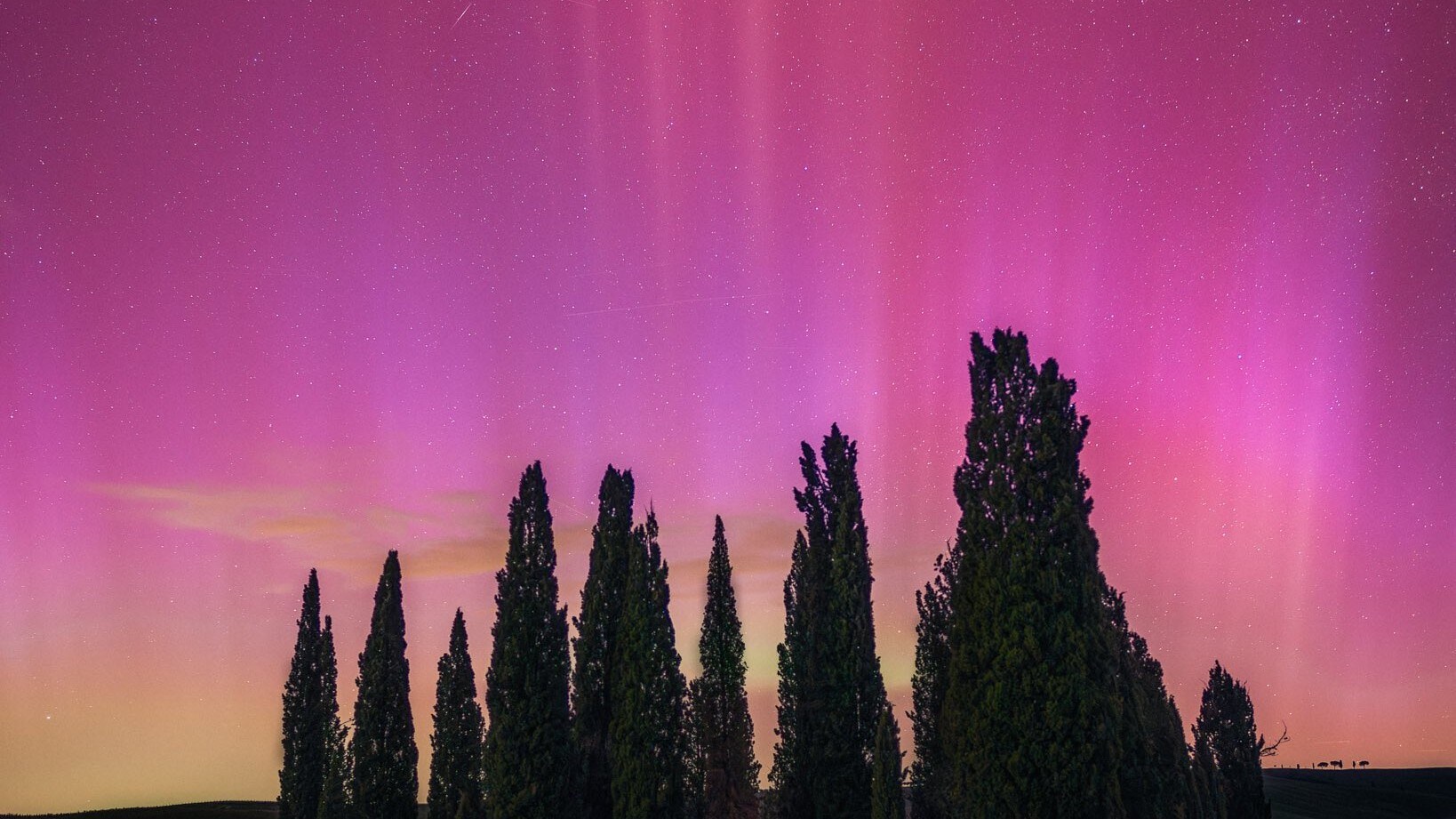
The geomagnetic solar storm, which led to a spectacular display of northern lights to a large part of North America on Friday, has put Starlink's satellites under a "lot of pressure."
A post by Elon Musk on "X" showed the planetary K index, which indicates the level of geomagnetic activity, surging to 7.5-9 on the evening of May 10. The index reached its peak level 9 at midnight on May 11.
Musk's tweet said, "Starlink satellites are under a lot of pressure, but holding up so far."
Major geomagnetic solar storm happening right now. Biggest in a long time. Starlink satellites are under a lot of pressure, but holding up so far. pic.twitter.com/TrEv5Acli2
May 11, 2024Bloomberg, citing a US National Weather Service agency, reported that the last time a storm this strong struck Earth was in October 2003, which caused power outages in Sweden and damaged transformers in South Africa. The storms came about after five coronal mass ejections burst from a large sunspot cluster earlier this week, it said.
However, people across the globe are amazed by the Aurora, which is usually seen only in the high altitude regions. "For Kp (planetary K index) in the range 8 to 9, the aurora will move even further towards the equator and it will become very bright and very active," according to NOAA website.
"These are the events that create the best aurora and the extended auroral oval will be observable by the most people. At these levels, aurora may be seen directly overhead from the northern states of the USA," it said.
Essential Business Intelligence, Sharp Market Insights, Practical Personal Finance Advice, Daily Fuel, Gold and Silver Prices and Latest Stories — On NDTV Profit.