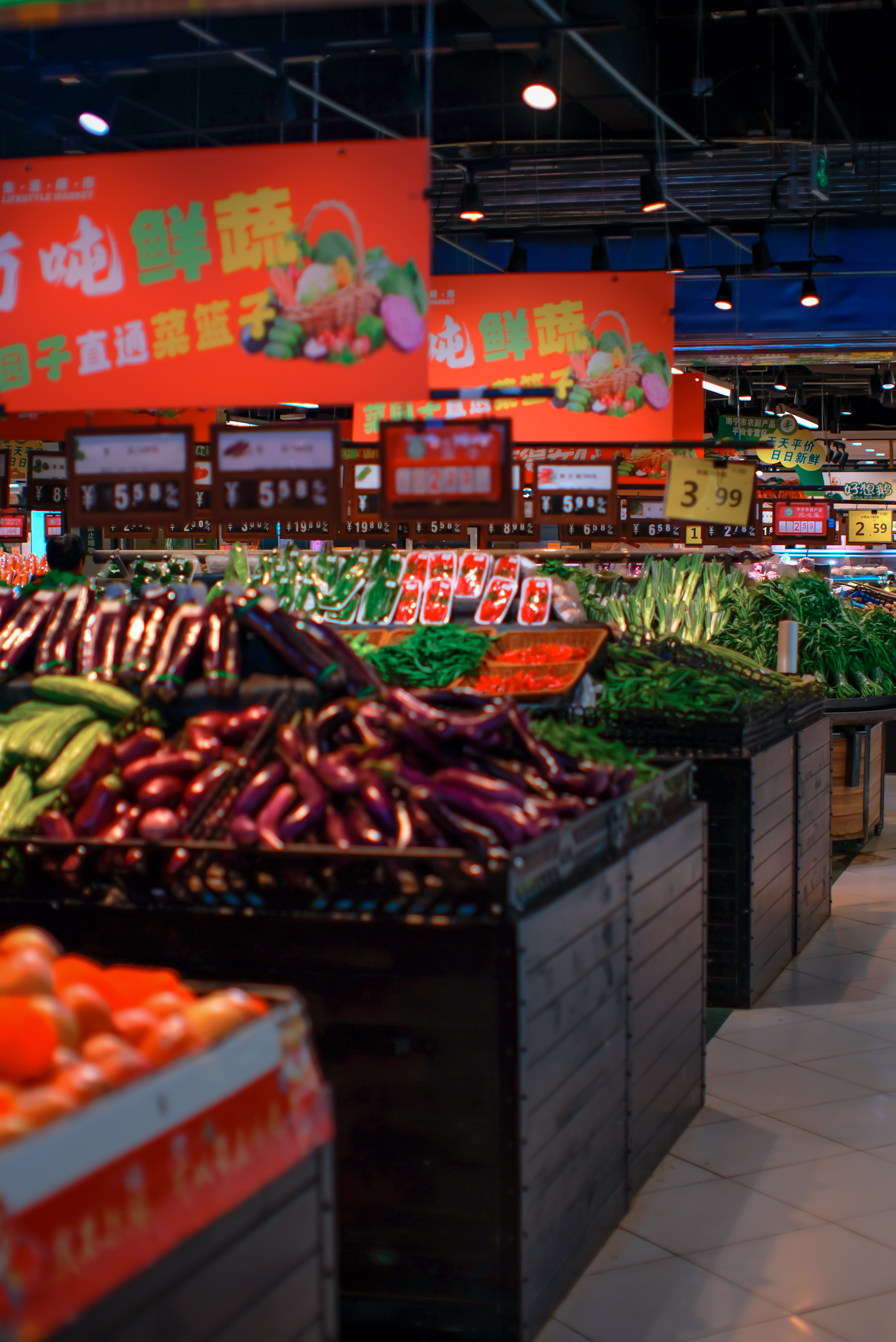
A cyberattack on supermarket refrigeration systems across France saw hackers remotely raise temperatures in freezers and chillers, leaving food to thaw and, in some cases, cook. The incident has exposed how a breach in internet-connected equipment can disrupt everyday operations, cause heavy losses and turn routine appliances into potential security risks.
How Hackers Disrupted Supermarket Refrigeration Systems
According to Reuters, hackers remotely altered refrigeration settings at hundreds of French supermarkets on October 11 and 12, causing temperatures in some units to rise to around 50 degrees Celsius. The incident led to food losses and fires at some stores. The attack affected supermarket chains including Intermarché and other major retailers. French authorities launched an investigation, while cybersecurity experts also highlighted the risks associated with internet connected industrial control systems.
The incident shows how cyberattacks can extend beyond stolen passwords or compromised personal accounts. If attackers gain control of connected equipment, they may disrupt physical operations and cause financial damage. However, investigators had not publicly established the identity of the attackers or their motive in the reports reviewed.
ALSO READ: Why Yuval Noah Harari Believes Humans Will Be The 'Cows Of The Future'
Can Smart Appliances Put Personal Data At Risk?
Smart appliances such as cameras, televisions and refrigerators are increasingly connected to the internet. If hackers find a weakness in these devices, they may be able to access personal information or gain control of certain features. For instance, hacking a security camera could expose private footage. While there is no confirmed evidence that data was stolen in the French supermarket attack, the incident highlights the risks of poorly secured connected devices.
How To Protect Smart Appliances From Hackers
Users should keep their smart devices updated and change default passwords as soon as they set them up. Using a strong password for the home Wi-Fi network and turning on two factor authentication can also make it harder for hackers to gain access. Businesses need to take similar precautions, especially when using internet connected equipment to run daily operations. Older devices that no longer receive security updates may be more vulnerable to attacks.
The growing use of connected technology means cybersecurity is increasingly linked to physical safety, business continuity and privacy. The French incident shows that a vulnerable control system can disrupt essential operations. For consumers, the lesson is to treat smart appliances as networked devices that require regular maintenance and security checks, rather than products that can be installed and forgotten.
ALSO READ: The New Hybrid Renault Duster Comes With A 30% Fuel Savings Pitch, Starting Price Of Rs 16.99 Lakh
Essential Business Intelligence, Sharp Market Insights, Practical Personal Finance Advice, Daily Fuel, Gold and Silver Prices and Latest Stories — On NDTV Profit.