Iran launched fresh attacks targeting Israel and several Gulf countries on Tuesday, news agency AFP reported. This came amid escalating tensions as the United States warned of its most intense military strikes yet inside Iran.
Authorities across the Middle East reported a series of missile and drone attacks as Tehran appeared to widen the conflict in an effort to increase pressure on Washington and its allies.
In Bahrain, an Iranian strike hit a residential building in the capital Manama, killing a 29-year-old woman and injuring eight others, officials told AFP. Saudi Arabia said its air defences destroyed two drones over its oil-rich eastern region, while Kuwait's National Guard reported shooting down six drones.
Also Read | Layoffs Are Rising In Tech, But These Skills Are Helping People Unlock Better Pay
In the United Arab Emirates, firefighters battled a blaze in the industrial city of Ruwais, home to major petrochemical facilities, after a suspected Iranian drone strike. No injuries were reported.
Sirens were also sounded in Jerusalem, and explosions were heard in Tel Aviv as Israeli air defence systems intercepted incoming Iranian missiles, AFP reported.
Also Read: Majority Of Americans Oppose Iran War, 77% Fear Terror Attack On US Soil: Poll
US Threatens Intensified Strikes
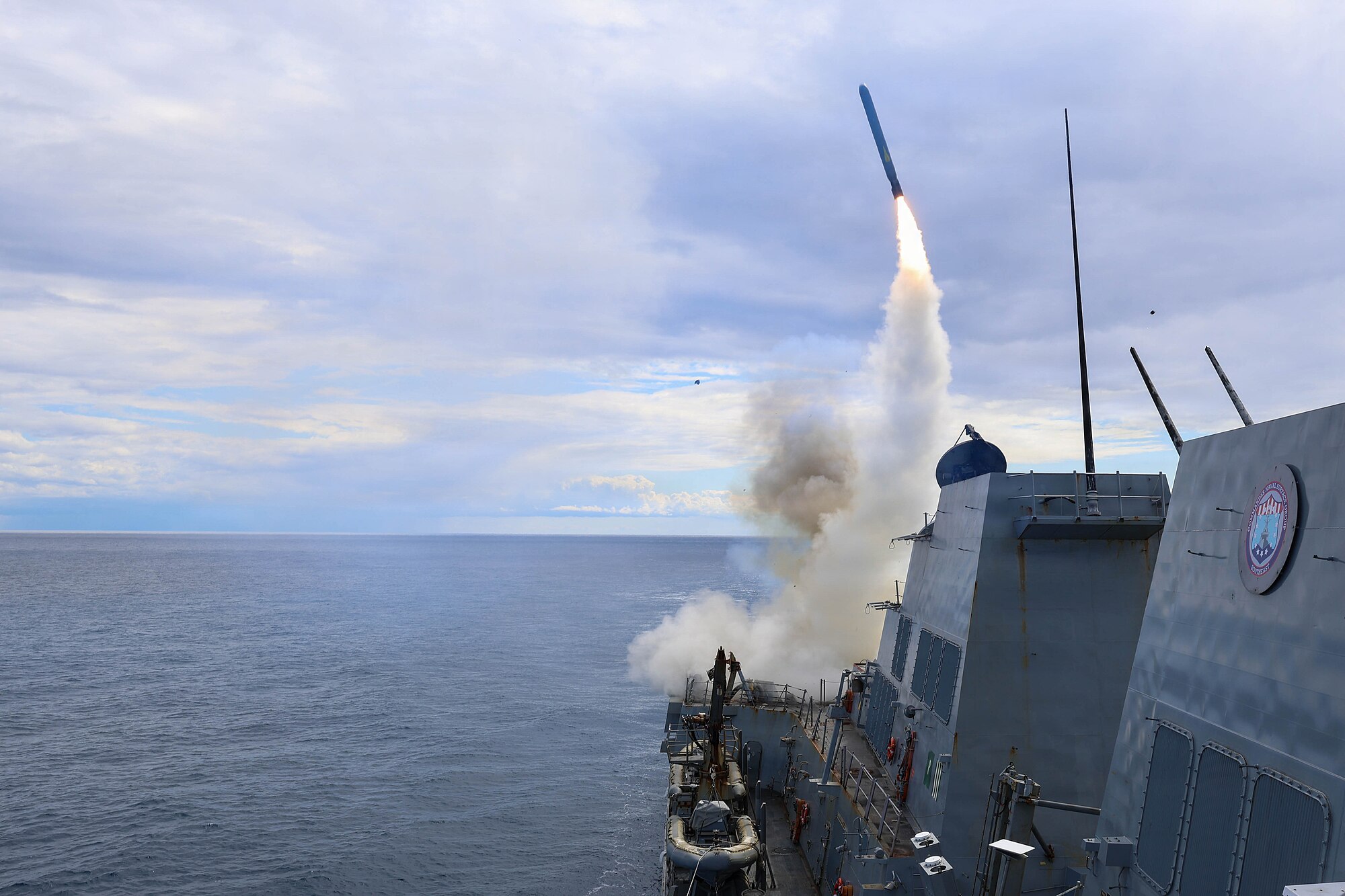
At the Pentagon, US Defence Secretary Pete Hegseth warned that Washington was preparing a major escalation in its military campaign.
“Tuesday will be yet again our most intense day of strikes inside Iran — the most fighters, the most bombers, the most strikes, intelligence more refined and better than ever,” Hegseth said.
Gen. Dan Caine, chairman of the Joint Chiefs of Staff, said US forces have already struck more than 5,000 targets in Iran since the conflict began. He said the objectives included destroying Iran's ballistic missile and drone capabilities, targeting its naval forces to secure shipping through the Strait of Hormuz, and hitting deeper into Iran's military and industrial infrastructure.
Tehran Rejects Ceasefire
Iranian leaders signalled no willingness to de-escalate the conflict. Parliament Speaker Mohammad Bagher Qalibaf said Tehran was “definitely not looking for a ceasefire”.
“We believe that the aggressor should be punched in the mouth so that he learns a lesson,” Qalibaf wrote on social media.
Another senior Iranian official, Ali Larijani, also warned US President Donald Trump against further escalation, saying Iran did not fear American threats.
Also Read: Trump Says Talks With Iran 'Possible' Depending on Terms as War Enters Day 11
Oil Markets On Edge
Iran has also intensified pressure on global energy markets by targeting shipping and energy infrastructure near the Strait of Hormuz, a critical waterway that carries about 20% of the world's traded oil.
Saudi Aramco CEO Amin Nasser said oil tankers were being rerouted to avoid the strait, warning that prolonged disruption could have “serious impact on the global economy.”
Essential Business Intelligence, Sharp Market Insights, Practical Personal Finance Advice, Daily Fuel, Gold and Silver Prices and Latest Stories — On NDTV Profit.