- US President Trump expressed desire to seize Iran's oil wealth for the US
- Trump set a deadline for Iran to reopen the Strait of Hormuz by Tuesday 8 p.m ET
- Trump warned of severe consequences if Iran resists reopening the waterway
US President Donald Trump openly expressed a desire to seize Iran's oil wealth for the United States on Monday, even as a firm deadline loomed for Iran to reopen the Strait of Hormuz or face devastating new strikes.
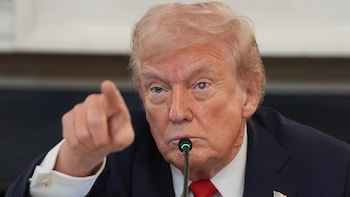
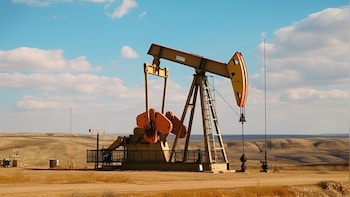
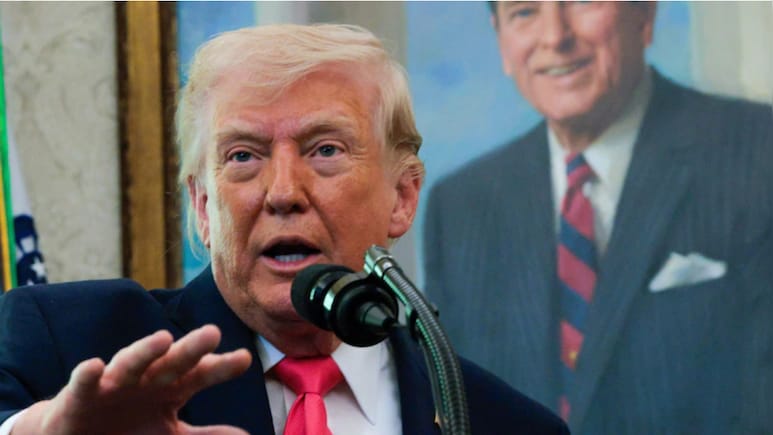
"If it were up to me, I take the oil, I keep the oil, I would make plenty of money, and I'd also take care of the people of Iran much better than they've been taken care of," Trump told reporters at the White House Easter Egg Roll.
ALSO READ | Iran Rejects US Ceasefire Proposal, Sends 10-Point Counterplan Via Pakistan: Report
U.S. President Donald J. Trump speaking about Tuesday's ultimatum with Iran during this morning's event celebrating Easter at the White House:
— OSINTdefender (@sentdefender) April 6, 2026
“We are obliterating their country. And I hate to do it, but we're obliterating it. They just don't want to say ‘uncle.' They don't… pic.twitter.com/L6GZhnXPkU
The remark drew immediate scrutiny from legal experts as under the United Nations doctrine of Permanent Sovereignty over Natural Resources, oil and minerals belong to the countries where they are located. Seizing them would constitute pilfering under international law.
Trump, however, acknowledged that public opinion stood in his way. "If I had my choice, what would I like to do? Take the oil, because it's there for the taking. There's not a thing they can do about it," he said, before adding that "the American people would like to see us come home."
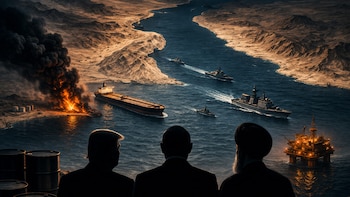
The comments came as the president set a hard deadline of 8 p.m. ET on Tuesday for Iran to reopen the Strait of Hormuz, the narrow waterway through which one-fifth of the world's oil and liquefied natural gas passes.
Trump warned that if Iran continues to resist, it will be left with "no bridges, no power plants, no anything," and hinted at "other things that are worse than those two" that he declined to detail.
In the same breath, Trump pointed to Venezuela as a model for what he envisions in Iran. After US forces captured former Venezuelan leader Nicolás Maduro in January, Trump said, "We have 100 million barrels of oil right now in Houston being refined." He suggested a similar arrangement could work with Iran, but only with more time and public patience for a prolonged war.
Trump dismissed Americans who oppose the conflict as "foolish," insisting the war "is about one thing - Iran cannot have a nuclear weapon."
Iran, for its part, showed no sign of backing down. Tehran said it had prepared its response to recent ceasefire proposals, with its foreign ministry declaring that negotiation "is in no way compatible with ultimatum, crime, or threats."
Oil markets reacted cautiously, with US crude dropping around 1% to approximately $110 a barrel- still far above pre-war levels- as traders weighed the possibility of a ceasefire against the risk of widening conflict.
Essential Business Intelligence, Continuous LIVE TV, Sharp Market Insights, Practical Personal Finance Advice and Latest Stories — On NDTV Profit.