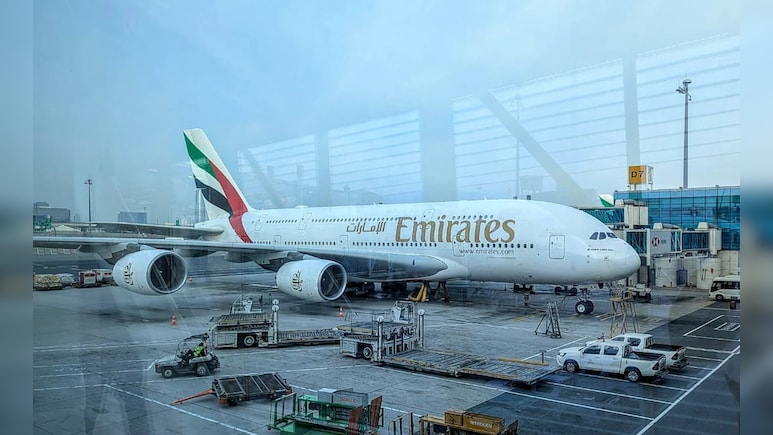
Dubai International Airport (DXB) saw passenger traffic fall 31.3% year-on-year to 31.5 million in the first half of 2026, as the conflict involving Iran and resulting airspace restrictions disrupted flights across the Gulf, according to Dubai Airports figures reported by Khaleej Times.
DXB handled around 46 million passengers in the same period last year. Traffic began recovering in the second quarter, rising from 3.5 million passengers in April to 4.5 million in May and 5 million in June.
Conflict Disrupts Gulf Air Travel
Also Read | Layoffs Are Rising In Tech, But These Skills Are Helping People Unlock Better Pay
The disruption followed US and Israeli strikes on Iran on February 28 and subsequent Iranian drone and missile attacks on the UAE and other Gulf countries. Security concerns led to temporary airport closures and widespread flight suspensions, while higher jet fuel prices added to pressure on airlines.
ALSO READ: From Missile Alert To Dubai Residents To Iran Trade Halt: UAE's Day Of Escalating Tensions
Dubai Airports described the first half of the year as one of the most challenging periods in DXB's history, with regional airspace restrictions weighing heavily on traffic and airline capacity.
Aircraft movements fell 32.1% to 150,600 during the first half, while cargo volumes dropped 28.7% to 751,340 tonnes. Baggage handling also declined 28% to 30.3 million bags, Dubai Airports said.
Traffic Shows Signs Of Recovery
Despite the sharp first-half decline, DXB's traffic improved steadily through the second quarter as flights and international connections returned.
By the end of June, almost 50 international airlines were serving the airport, connecting it to 217 destinations across 99 countries. Dubai Airports said airline load factors were also moving closer to 2025 levels.
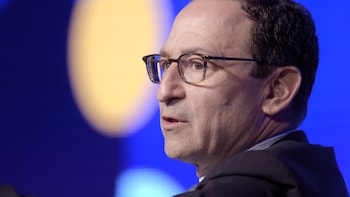
Dubai Airports CEO Paul Griffiths said the disruption had tested the region's aviation system but also showed its resilience. He added that passenger demand was recovering quickly as airline capacity returned, particularly because DXB relies heavily on international transfer traffic.
Reuters reported that some Middle Eastern airlines have begun restoring services, with Emirates returning to around 90% of its capacity. However, Lufthansa, British Airways and Singapore Airlines remained cautious and continued some route suspensions in the region.
Dubai Airports expects traffic to improve in the second half of 2026 as airlines restore routes and frequencies, travel advisories ease and international transfer traffic picks up.
The winter flight schedule and Dubai's busy calendar of business, leisure and sporting events are also expected to support demand.
Reuters reported that DXB had initially expected to handle nearly 100 million passengers in 2026 before the conflict disrupted regional aviation.
The recovery in monthly passenger numbers during the second quarter offers some relief after a difficult start to the year, although the first-half figures underline the scale of the disruption caused by the regional conflict.
ALSO READ: US Sanctions, Dubai Transit Freeze Threaten To Cripple India-Iran Trade
Essential Business Intelligence, Sharp Market Insights, Practical Personal Finance Advice, Daily Fuel, Gold and Silver Prices and Latest Stories — On NDTV Profit.