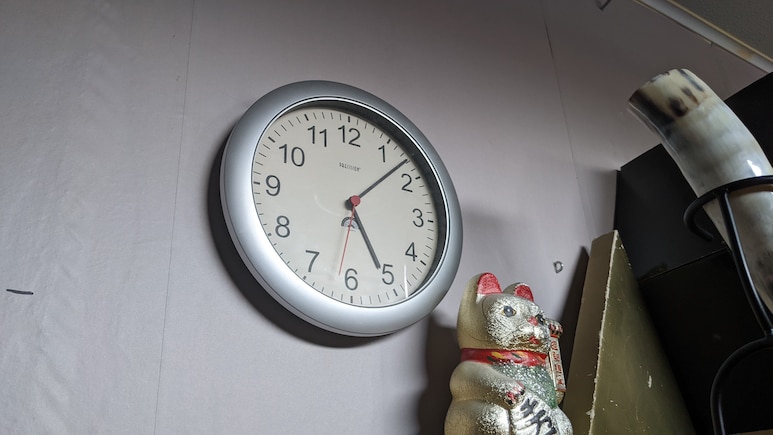
- Americans will officially transition to Daylight Saving Time on Sunday, March 8, 2026, shifting clocks forward from 2 a.m. to 3 a.m. to extend evening daylight.
- The DST annual shift requires coordination for global trade and transportation, though 2026 marks a significant milestone as British Columbia moves to permanent Daylight Saving Time.
- Regions like Hawaii, Arizona, and several U.S. territories will remain on Standard T
The United States of America (USA) and Canada will officially shift clocks at 2 a.m. local time forward to 3 a.m., extending the spring evening across the country. The change will be done under Daylight Saving Time (DST) US 2026, and the DST schedule will be in effect until Nov. 1, 2026.
Gadgets will be synced with the DST according to network updates. Cellphones, laptops, smart TVs, and all other smart equipment will adjust automatically, while wall clocks and car dashboards won't change on their own.
Which will not follow the clock change?
Certain regions continue with standard time and do not follow the DST as the variation in daylight is smaller compared to mainland states. These include Puerto Rico, the Northern Mariana Islands, the U.S. Virgin Islands, Guam, and American Samoa. Additionally, states like Arizona and Hawaii omit Daylight Saving Time alongside the others.
ALSO READ | What Is 'Doomsday' Missile? US Tests ICBM That Can Strike At 'Any Spot On Earth'
Changes to lifestyle
The transition will be marked by the clock skipping one hour between 2 a.m. and 3 a.m. The timelines for night-shift employees and those in other standard time zones will be affected, while people will lose one hour of sleep.
Days will start with an earlier, brighter sun, and while evenings may seem to arrive faster than previously, the DST shift adds more usable daylight to the daily schedule.
International transportation and offices need to adjust with caution, as airways, shipments, and trading windows require synchronisation between U.S. shifts and the rest of the world. IT and customer services should follow international protocols while accounting for their specific DST timings.
Some public researchers have actively released advisories regarding sleep deprivation and the risk of road accidents.
ALSO READ | DOJ Withholds Trump-Related Epstein Files, Nearly 48,000 Documents Offline For Review
When was the first DST introduced?
The Daylight Saving Time was first introduced by European countries in 1916 to conserve fuel during wartime. It was reintroduced during World War II and many times later, especially during energy crises.
The DST became federal law in 1966, when the passage of the Uniform Time Act established a standard national schedule for states that choose to participate. However, the latest scenario is centered around lifestyle and economic productivity.
Essential Business Intelligence, Sharp Market Insights, Practical Personal Finance Advice, Daily Fuel, Gold and Silver Prices and Latest Stories — On NDTV Profit.