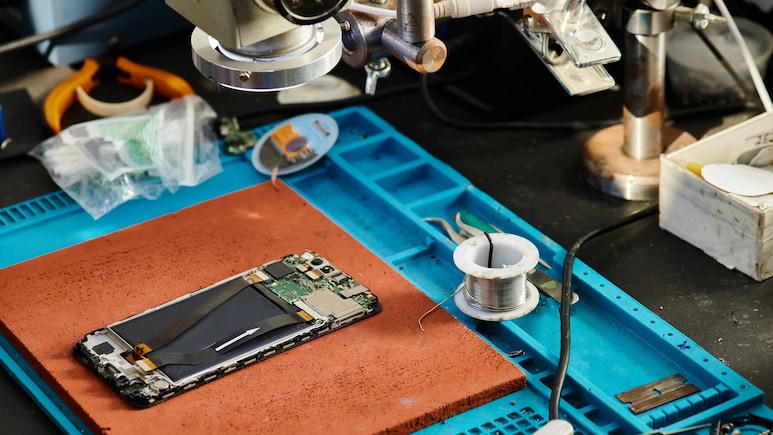
Prices of electronic items such as televisions and smartphones are increasing, reversing the earlier trend where technology products became cheaper over time.
According to a report by The Economic Times, entry-level prices are now moving back to levels seen six to eight years ago. Manufacturers have indicated that rising input costs and a weakening rupee are limiting their ability to absorb price increases.
According to reports, the rise in prices is not limited to smartphones and televisions. Costs of appliances like refrigerators and air conditioners are also expected to increase.
Also Read | Layoffs Are Rising In Tech, But These Skills Are Helping People Unlock Better Pay
Tech YouTuber Manoj Saru shared on X, explaining the sharp increase in prices of electronic components.
"I bought this memory card for Rs 5,400 around 9 months ago. Now today, the exact same one costs Rs 14,500, that's nearly three times higher," he said. "This isn't just normal inflation. One of the main reasons for this spike is the AI boom."
Explaining further, he said, “AI companies (data centers, cloud providers, etc.) are purchasing large quantities of storage like SSDs and memory, RAM, and other hardware.”
He noted the impact of this demand, stating, “as a result: supply is getting tighter, demand is extremely high, and prices are increasing. That's why something that was once affordable has now become expensive, and regular consumers are also feeling the impact.”
Several users responded to his post, sharing similar experiences of price increases in storage devices.
One user wrote, “bought 1TB Nvme SSD for 5k earlier... right now it costs 18k.”
Another commented in a lighter tone, “I am telling you sir, sell it, prices are around 3X now, will be great profit for you).”
A third user said, “I bought samsung Sd card 128Gb @1199. Now today, price is 7800.”
ALSO READ: 140 Gas Cylinders Seized in Raid At Domino's Outlet In Thane: Reports
According to Counterpoint Research, the global smartphone market remained under pressure in the first quarter of 2026. Shipments declined by 6% year-on-year, mainly due to shortages of DRAM and NAND memory components and weaker consumer demand.
Senior Analyst Shilpi Jain told counterpoint research, “this decline in shipments is mainly because memory manufacturers are prioritizing AI data centers over consumer electronics, which has reduced margins for OEMs and forced them to pass higher Bills of Material (BOM) costs to consumers.”
She added, “while supply remained limited, rising energy prices, higher logistics costs, and economic uncertainty due to Middle East tensions kept consumer demand low, leading to more interest in refurbished devices and further impacting shipments.”
She further said, “the shortage of memory chips and rising costs have affected price-sensitive segments the most, especially entry and mid-range devices.”
She also noted, “while premium device makers like Apple remained relatively stable under these conditions, volume-driven Chinese brands saw sharper declines, particularly in price-sensitive markets, contributing to the overall drop in shipments.”
Essential Business Intelligence, Sharp Market Insights, Practical Personal Finance Advice, Daily Fuel, Gold and Silver Prices and Latest Stories — On NDTV Profit.